My blog

Author name: admin

Industrial training hospitality
The GIHM

Importance of Industrial Training in Hospitality

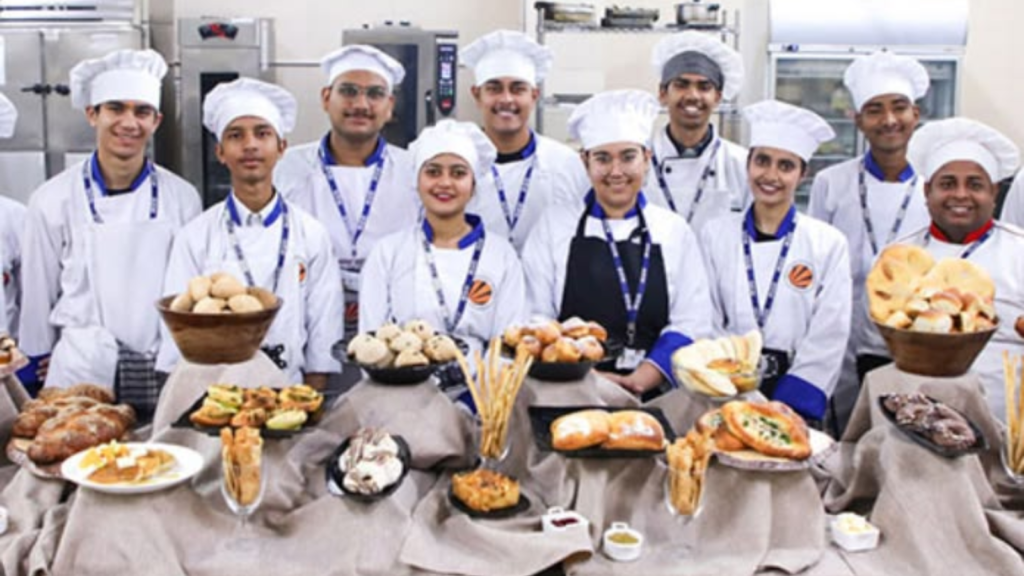
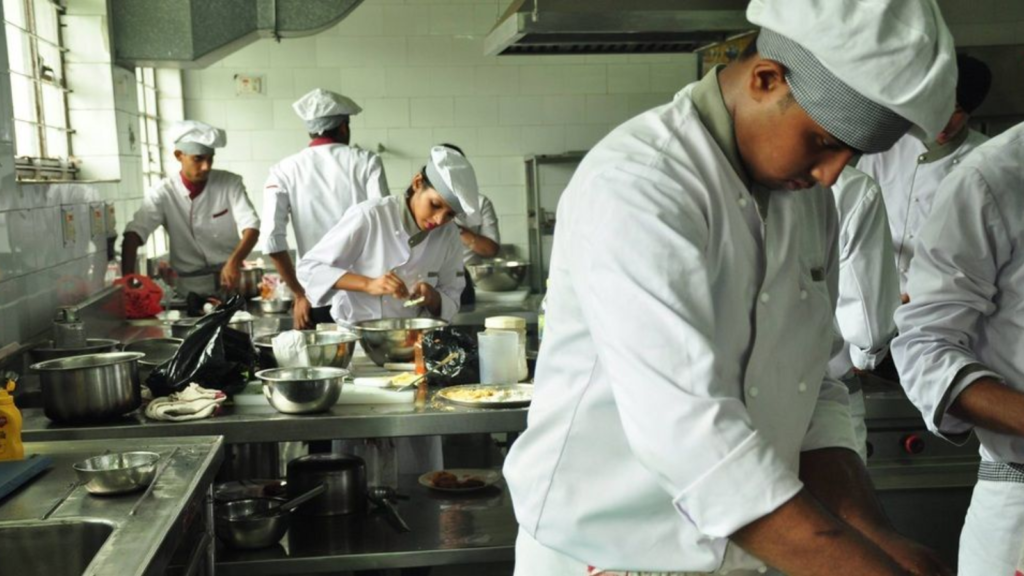
Industrial training hospitality plays a major role in shaping the future of hotel management students. Classroom learning gives students theoretical knowledge, but practical exposure teaches them how the hospitality industry actually works. From handling guests to managing hotel operations, training helps students understand real-world challenges and improve their professional skills. At The GIHM, students are encouraged to gain hands-on experience that prepares them for successful careers in hotels, restaurants, airlines, and tourism sectors. Why Practical Exposure Matters in Hospitality The hospitality industry is completely service-oriented. Employers look for candidates who can confidently handle guests, solve problems quickly, and work professionally under pressure. This is why practical exposure is considered one of the most important parts of hotel management education. During training, students work in departments like front office, housekeeping, food production, and food & beverage service. They learn how each department functions and how teamwork helps maintain guest satisfaction. This practical environment improves communication skills, discipline, and confidence. Students also understand workplace ethics, grooming standards, and time management. These qualities are difficult to learn only through textbooks. Real hotel experience helps students become industry-ready before they complete their course. Industrial Training Hospitality Builds Professional Skills Industrial training hospitality helps students develop technical and interpersonal skills together. In hotels and hospitality businesses, both are equally important for career growth. Students learn how to interact with guests professionally and manage customer expectations. They also gain knowledge about hotel software, service standards, kitchen operations, and hospitality management systems. These experiences improve their understanding of daily hotel operations. Training also teaches students how to work in a fast-paced environment. Hospitality professionals often handle multiple responsibilities at once, and industrial exposure prepares students for these situations. By working with experienced hotel staff, students learn professional behavior and industry standards directly from experts. Another important benefit is problem-solving ability. Unexpected situations are common in hotels, and trainees learn how to respond calmly and efficiently. This practical learning makes students more confident in their future job roles. Career Opportunities After Training Students who complete quality industrial training often receive better placement opportunities. Many hotels prefer hiring candidates who already understand operational procedures and guest handling techniques. Training experience strengthens resumes and creates a positive impression during interviews. Employers value candidates who can start working with minimal supervision. Students also get opportunities to build professional networks during their internships, which can help them secure future jobs. The hospitality industry offers career opportunities in luxury hotels, cruise lines, airlines, event management companies, resorts, restaurants, and tourism organizations. Industrial training gives students a clear understanding of which field matches their interests and strengths. Some students discover a passion for food production, while others may enjoy guest relations or hotel operations. This practical exposure helps them choose the right career path with confidence. Industrial Training Hospitality Improves Confidence Industrial training hospitality is not only about learning hotel operations. It also helps students grow personally and professionally. Working with real guests improves communication and public interaction skills. Students become more confident while speaking, presenting, and handling responsibilities. The hospitality industry values personality, professionalism, and positive attitude. Training helps students improve these qualities naturally through everyday work experiences. They learn how to maintain professionalism even during busy situations. Students also become more adaptable because every day in hospitality is different. They experience different guest expectations, workplace challenges, and service situations. This flexibility becomes highly valuable in their future careers. Confidence gained during training often helps students perform better during campus placements and professional interviews. They can answer practical questions more effectively because of their real industry exposure. Learning Industry Standards and Work Culture One of the biggest advantages of industrial training is understanding professional work culture. Students learn how hospitality organizations maintain service quality, teamwork, and operational efficiency. Hotels follow strict standards related to hygiene, guest service, safety, and professionalism. Through training, students understand the importance of maintaining these standards consistently. They also learn the value of punctuality, discipline, and teamwork in professional environments. Exposure to experienced managers and hotel professionals gives students a better understanding of leadership and career growth. Observing industry experts motivates students to improve their own performance and career goals. This learning experience also helps students adjust more easily when they start full-time jobs after graduation. Conclusion Industrial training is an essential step for every hospitality student who wants to build a successful career in the industry. It bridges the gap between classroom education and real hotel operations by providing practical learning experiences. Students gain technical knowledge, communication skills, confidence, and professional exposure that prepare them for future opportunities.
Practical Training in Hotel Management Institutes
The GIHM

Practical Training in Hotel Management Institutes

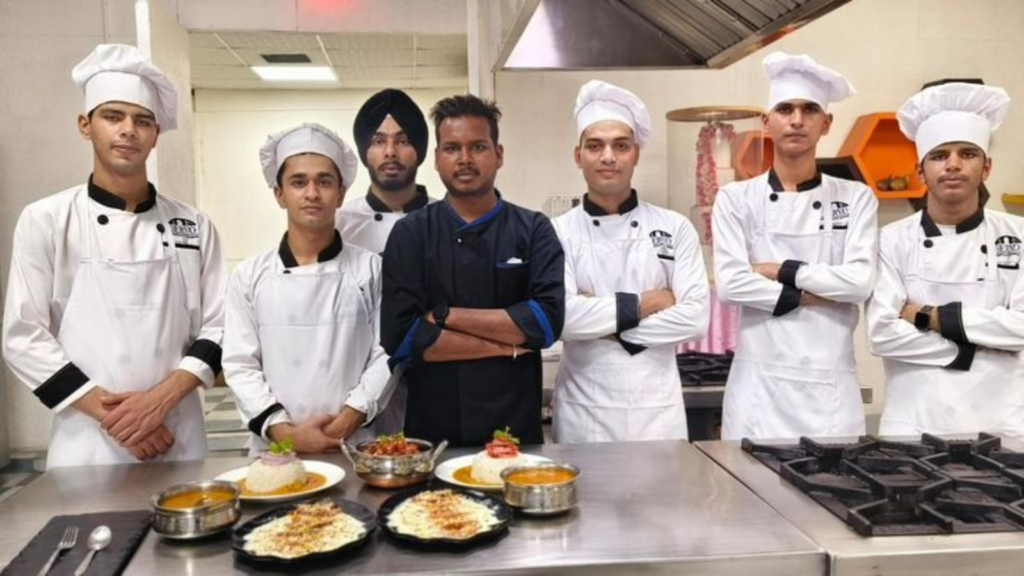
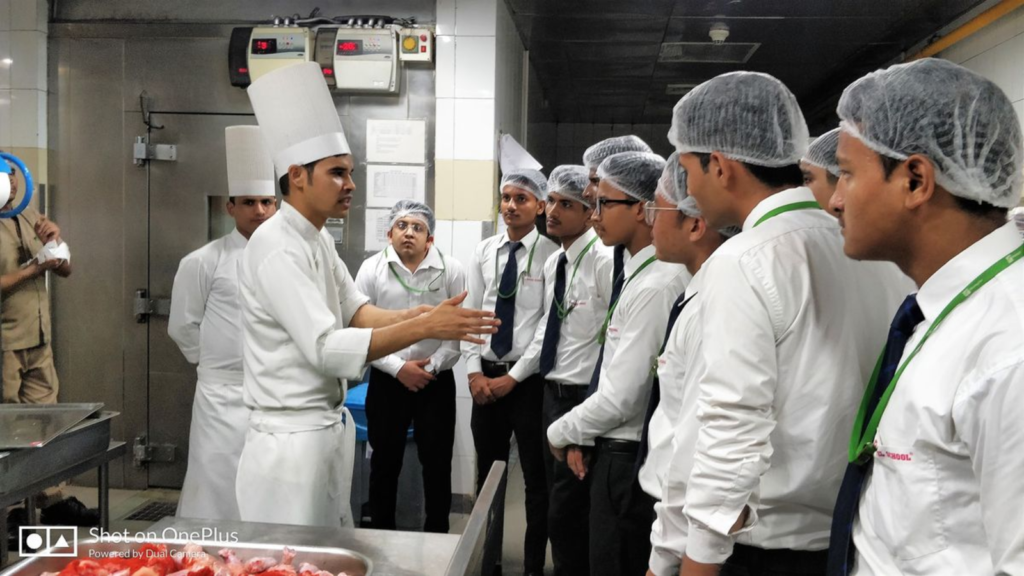
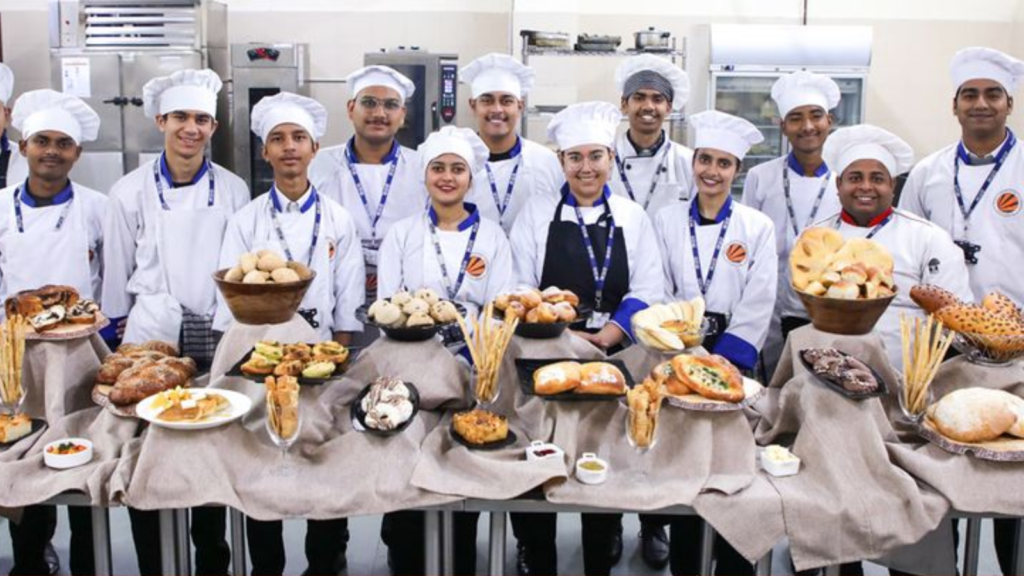
The hospitality industry is one of the fastest-growing career sectors in India and abroad. Students who dream of working in hotels, resorts, airlines, cruise lines, or luxury hospitality brands need more than classroom knowledge. This is where Hotel management practical training becomes essential for every aspiring hospitality professional. At The GIHM, students receive industry-focused learning that combines theory with hands-on experience to prepare them for real hospitality environments. Practical exposure helps students understand how hotel operations work in real situations. It improves communication, teamwork, customer handling, problem-solving, and professional confidence. Modern hospitality education is designed to ensure that students can handle challenges in kitchens, front offices, restaurants, housekeeping departments, and guest services effectively. Why Hotel Management Practical Training Matters Hospitality is a skill-based industry where practical knowledge is highly valued. Students may learn concepts in classrooms, but the real learning begins when they apply those concepts in practical labs and live environments. Practical sessions allow students to understand guest expectations, workplace discipline, and service standards followed by top hospitality brands. During training, students gain exposure to different hotel departments such as: Food Production Front Office Operations Housekeeping Management Food and Beverage Service Bakery and Confectionery Hospitality Communication This hands-on approach helps students build confidence and understand how hotels function daily. It also develops leadership qualities and prepares students for professional responsibilities. Benefits of Hotel Management Practical Training for Students Practical learning provides several career advantages to hotel management students. Institutes that focus on skill development create better opportunities for placements and career growth. Improves Communication Skills Hotel management practical training Hospitality professionals interact with guests from different cultures and backgrounds. Practical sessions help students improve spoken communication, grooming, and professional behavior. Develops Industry Confidence Hotel management practical training Working in training kitchens, mock restaurants, and front office labs gives students real operational experience. This builds confidence before entering the professional hospitality industry. Enhances Teamwork and Leadership Hotel operations depend heavily on teamwork. Students learn how to coordinate with departments, manage pressure, and solve problems quickly. Provides Real Industry Exposure Industrial visits, internships, and live projects help students understand current hospitality trends and operational standards followed by reputed hotel brands. Creates Better Placement Opportunities Recruiters prefer candidates with strong practical understanding. Students with hands-on training often perform better during interviews and hotel internships. Training Facilities Available at Modern Institutes Top hotel management institutes focus on creating a professional learning environment. At The GIHM, students are trained through modern practical labs designed according to industry standards. Some important training facilities generally include: Advanced food production labs Training restaurants Front office simulation labs Housekeeping demonstration rooms Bakery and confectionery labs Personality development sessions Industrial training programs These facilities help students understand operational processes in a realistic environment. Students also learn time management, hygiene standards, guest interaction, and service quality during practical classes. Industrial Exposure and Internship Programs One of the most important parts of hospitality education is industrial training. Students are usually sent to reputed hotels and hospitality organizations where they work under professional supervision. Internships provide exposure to: Hotel management systems Guest handling techniques Professional workplace culture Real-time operational challenges Team coordination and reporting This experience allows students to adapt easily when they begin their careers after graduation. Many students also receive placement offers during internships because of their performance and discipline. Skills Students Learn During Practical Sessions Practical education helps students gain technical and soft skills together. Hospitality employers look for candidates who are skilled, confident, and service-oriented. Some important skills developed during training include: Customer service skills Professional communication Food preparation techniques Hygiene and safety standards Leadership and teamwork Problem-solving ability Time management Guest relationship handling These skills are valuable not only in hotels but also in airlines, event management companies, cruise industries, restaurants, and tourism sectors. Career Opportunities After Hotel Management Hospitality education opens doors to multiple career opportunities in India and internationally. Students trained with practical exposure have better chances of working with reputed hospitality brands. Popular career options include: Hotel Manager Chef Front Office Executive Restaurant Manager Guest Relation Executive Cabin Crew Cruise Staff Event Coordinator Hospitality Trainer The hospitality industry offers exciting career growth, global exposure, and attractive salary opportunities for skilled professionals. Why Choose The GIHM for Hospitality Education The GIHM focuses on industry-oriented education that prepares students for successful hospitality careers. The institute emphasizes skill development, professional grooming, practical exposure, and career-focused learning. Students benefit from experienced faculty members, advanced training facilities, internships, and placement support. The learning environment encourages discipline, creativity, and professional excellence. With practical-focused education, students become capable of handling real hospitality operations confidently. Choosing the right institute plays a major role in building a successful career in hospitality. A strong combination of classroom learning and practical exposure helps students become industry-ready professionals. Conclusion The hospitality industry values experience, professionalism, and practical skills. Students who receive quality training gain confidence and perform better in real hotel environments. Hotel management practical training helps students understand industry standards, improve service skills, and prepare for rewarding hospitality careers. At The GIHM, students receive the right blend of theoretical knowledge and practical exposure to succeed in the competitive hospitality industry. With proper guidance, modern training facilities, and real industry experience, aspiring hospitality professionals can build a bright and successful future.

Hotel management student life
The GIHM

Life of a Hotel Management Student in Delhi

Hotel management student life in Delhi is a perfect blend of learning, practical exposure, discipline, and fun-filled experiences. Students entering the hospitality industry often imagine glamorous hotels and luxury service, but the journey behind it is equally exciting and challenging. Delhi, being one of India’s largest educational and hospitality hubs, gives students endless opportunities to learn from real industry environments while enjoying vibrant city life. At The GIHM, students experience much more than classroom education. The institute focuses on practical learning, personality development, communication skills, and industrial exposure that prepare students for successful careers in hospitality. From kitchen training sessions to front office management, every day brings a new learning experience. Experience the Real Hotel management student life One of the most exciting parts of studying hotel management in Delhi is practical training. Students spend significant time in training kitchens, bakery labs, housekeeping setups, and restaurant service areas. These practical sessions help students understand real hotel operations and improve confidence. The city itself also becomes a learning platform. Delhi is home to luxury hotels, fine dining restaurants, international chains, cafes, and tourism businesses. Students often visit these places for industrial visits, internships, and training programs. This exposure helps them understand customer service standards and hospitality trends at a professional level. The hospitality industry values communication and grooming. Because of this, students are trained to maintain professional etiquette, improve body language, and develop leadership qualities from the beginning of the course. Hotel Management Student Life Beyond Classrooms Hotel management student life is not limited to books and lectures. Students actively participate in cultural activities, food festivals, competitions, presentations, and hospitality events throughout the academic year. These activities help students build teamwork, creativity, and confidence. Delhi’s student life also adds excitement to the journey. From exploring famous markets and cafes to enjoying local food culture, students get exposure to diverse lifestyles and cultures. This diversity becomes highly beneficial for hospitality students because the industry itself revolves around interacting with people from different backgrounds. Friendships formed during hotel management courses often become lifelong professional connections. Students work together in practical labs, event management tasks, and internships, which creates strong bonding and teamwork skills. Another important aspect is time management. Hospitality courses are dynamic and require discipline. Students learn how to handle pressure, multitask, and manage responsibilities effectively. These qualities later help them perform successfully in hotels, airlines, cruise lines, and tourism companies. Learning Skills That Build Strong Careers Hotel management student life The hotel management field offers opportunities in multiple industries beyond hotels. Students can build careers in airlines, event management, tourism, catering, luxury retail, and food entrepreneurship. Institutes like The GIHM focus on making students industry-ready through practical learning and personality enhancement. Communication skills play a major role in hospitality careers. Students are encouraged to improve English speaking, customer interaction, and presentation skills. Grooming sessions and personality development workshops further help students become confident professionals. Internships are another major part of the learning process. During industrial training, students get real work experience in reputed hotels and hospitality brands. They learn customer handling, teamwork, kitchen operations, service management, and workplace discipline directly from professionals. Technology is also becoming an important part of the hospitality industry. Students are introduced to hotel software systems, reservation handling, digital marketing basics, and hospitality management tools that improve their technical understanding. Balancing Studies, Training, and Fun Life as a hospitality student can be busy, but it is equally rewarding. Daily schedules often include practical classes, assignments, presentations, and training sessions. However, students also enjoy celebrations, college festivals, excursions, and interactive activities that make campus life enjoyable. Delhi provides excellent connectivity and opportunities for students to explore internships, networking events, and hospitality seminars. Exposure to real industry environments helps students gain confidence before entering professional careers. Healthy competition among students also motivates personal growth. Cooking competitions, mock hotel operations, and event planning activities encourage creativity and innovation. These experiences prepare students for the fast-paced hospitality world. Faculty guidance also plays an important role in shaping student careers. At The GIHM, experienced mentors support students in skill development, interview preparation, and career planning. Their industry insights help students understand real hospitality expectations. Building a Bright Future in Hospitality Hotel management is not just about serving food or managing hotels. It is about creating memorable experiences for guests through professionalism, communication, and service excellence. Students who choose this field develop confidence, discipline, leadership, and practical expertise that help them grow in multiple industries. Hotel management student life teaches valuable life skills along with professional education. Students become more independent, responsible, and career-focused during their journey. The combination of classroom learning, practical exposure, and industry interaction creates a strong foundation for future success. For students dreaming of an exciting, creative, and people-oriented career, Delhi offers one of the best environments to begin the journey. With quality education, industry exposure, and dynamic student experiences, The GIHM helps students transform their passion for hospitality into a successful profession.

Choose hotel management institute
The GIHM

How to Choose the Right Hotel Management Institute

Choose hotel management institute – Check Accreditation & Recognition Choosing the right career path in hospitality starts with the right education. If you want long-term success in the hotel industry, it is important to carefully Choose hotel management institute that aligns with your goals, industry exposure needs, and learning expectations. A good institute not only teaches theory but also provides practical training, internships, and placement support that shape your future in hospitality management. In India and globally, hospitality education has become highly competitive. Students must evaluate several factors before making a decision, such as faculty experience, infrastructure quality, industry tie-ups, and placement records. Institutions with strong hotel training programs often give students better exposure to real-world operations, making them industry-ready from day one. Another important step when you Choose hotel management institute is to analyze the curriculum structure offered by different colleges. A well-designed syllabus includes front office operations, housekeeping management, food and beverage service, and hospitality marketing. This ensures students gain both technical and soft skills required in modern hospitality environments. Practical training and internships play a vital role in shaping a student’s confidence. Leading institutes often collaborate with top hotels, resorts, and hospitality chains to provide hands-on experience. This real-world exposure helps students understand guest handling, service standards, and operational efficiency in a professional environment. Career opportunities after graduation are vast, ranging from hotel operations to event management and airline hospitality. Choosing the right path early ensures better growth and stability in the industry. When you Choose hotel management institute wisely, you increase your chances of getting placed in reputed hospitality brands with attractive salary packages and career progression opportunities. Experienced faculty members are one of the strongest indicators of a good hospitality institute. Teachers who have worked in real hotel environments can provide insights beyond textbooks. They share practical case studies, service scenarios, and industry challenges that prepare students for real job roles. In addition, institutes that regularly invite guest lecturers from five-star hotels and international chains give students a broader understanding of global hospitality standards. This type of exposure is essential for building confidence and professional communication skills in the hospitality sector. Choose hotel management institute – Compare Courses & Facilities Modern infrastructure is another key factor while evaluating hospitality institutes. Well-equipped training kitchens, front office labs, housekeeping practice rooms, and computer labs help students learn in a simulated environment. Digital learning tools and hospitality management software training also give students a competitive edge. Institutes that invest in updated facilities ensure students are industry-ready and comfortable working with real hotel systems from day one. Placement support is often the deciding factor for students choosing hospitality education. Institutes with strong industry partnerships are able to provide better internship and job opportunities. Tie-ups with luxury hotels, cruise lines, and international hospitality brands significantly improve employability. Students should also check alumni success stories to understand how the institute has performed over the years in terms of career growth and job placements. Hospitality industry is evolving rapidly with the rise of digital booking systems, AI-based customer service, and global travel expansion. Students must develop strong communication skills, problem-solving abilities, and adaptability to succeed in this dynamic field. Learning foreign languages and understanding international cultures can also enhance career prospects. Institutes that focus on holistic development ensure students are not only technically skilled but also emotionally intelligent and service-oriented professionals. Many successful hotel management professionals emphasize the importance of continuous learning and industry networking. Attending workshops, seminars, and hospitality events helps students stay updated with current trends. Building a strong professional network during studies can open doors to internships and job offers. Ultimately, dedication, practical exposure, and the right educational foundation play a crucial role in shaping a rewarding career in hospitality management. Students should also consider financial aspects such as course fees, scholarships, and return on investment before enrolling in any program. A well-planned education decision should balance affordability with quality learning. Visiting campuses, interacting with current students, and reviewing online feedback can provide deeper insights into the institute’s environment. These steps help in making an informed choice that leads to long-term career satisfaction and stability in the hospitality industry. With proper guidance and research, students can find institutions that match their aspirations and career goals. It is always recommended to take time before final enrollment and evaluate all available options carefully. A thoughtful approach ensures better learning outcomes and a successful entry into the hospitality industry.

Hotel management after graduation
The GIHM

Best Hotel Management Course After Graduation

Hotel management after graduation is a fast-growing career path for students who want to enter the hospitality industry with strong professional skills. After completing a bachelor’s degree, many students look for specialized training that can help them build careers in hotels, resorts, airlines, cruise lines, and global hospitality brands. At The GIHM, students get industry-focused education that prepares them for real-world challenges and international job opportunities. The hospitality sector is expanding rapidly due to tourism growth, luxury travel demand, and global business expansion. This makes professional hotel education an excellent choice for graduates from any stream such as arts, commerce, or science. The right course helps students develop communication skills, customer service excellence, management abilities, and operational knowledge required in premium hospitality environments. Students can choose from diploma programs, postgraduate diplomas, and advanced certification courses depending on their career goals. These programs focus on practical training, internships, and live industry exposure to ensure students are job-ready immediately after completion. The GIHM emphasizes hands-on learning through modern labs, training kitchens, and industry visits. Another major advantage of pursuing this field after graduation is the wide range of career opportunities. Students can work in front office operations, housekeeping management, food and beverage services, event management, and hotel administration. With experience, they can move into supervisory and managerial positions in top hospitality brands worldwide. Global opportunities are another strong reason why students choose this field. Hospitality professionals are in demand across countries like UAE, Canada, Australia, and Europe. With the right training and communication skills, graduates can build successful international careers with attractive salary packages and growth potential. Career Opportunities in Hotel management after graduation Programs After completing professional training, students can explore various job roles in the hospitality sector. These include front office executive, guest relations officer, housekeeping supervisor, restaurant manager, and event coordinator. Each role offers unique responsibilities and growth paths depending on performance and experience. Hotels and resorts value skilled professionals who can handle guest satisfaction, service quality, and operational efficiency. That is why practical exposure during training plays a very important role in shaping a successful career. Students also gain leadership skills that help them manage teams and handle high-pressure situations. These abilities are essential for long-term career growth in luxury hotels and international hospitality chains. Why Choose Hotel management after graduation at The GIHM Choosing the right institute is one of the most important decisions for building a successful hospitality career. The GIHM focuses on industry-oriented training that combines theoretical knowledge with practical experience. Students receive training from experienced faculty members who have worked in leading hotels. This ensures that learners understand real industry standards and expectations. The curriculum is designed to match global hospitality trends and employer requirements. The institute also provides internship opportunities with reputed hotels, allowing students to gain real-time experience before entering the job market. This exposure builds confidence and improves employability. Soft skills training is another key part of the program. Students learn communication, personality development, grooming standards, and customer handling techniques. These skills are essential for working in luxury hospitality environments where guest satisfaction is the top priority. Modern infrastructure, practical labs, and industry workshops further enhance learning quality. Students get hands-on experience in front office systems, housekeeping techniques, and culinary basics depending on their chosen specialization. Placement support is also a major advantage. The GIHM assists students in connecting with top hotel brands and hospitality companies for job opportunities after course completion. Conclusion A career in hospitality offers stability, growth, and international exposure for graduates looking for a dynamic profession. With the right training and guidance, Hotel management after graduation students can build successful careers in leading hotels and global hospitality organizations. The GIHM provides a strong foundation for students who want to enter this exciting industry with confidence and professional skills. Choosing the right course after graduation can open doors to endless opportunities in the world of hospitality.

Age limit for hotel management
The GIHM

Age Limit for Hotel Management Courses Explained

Age limit for hotel management Guide Age limit for hotel management is one of the most common questions asked by students who wish to build a career in the hospitality industry. Many aspiring candidates are confused about whether there is a strict age restriction for enrolling in diploma, degree, or certification programs in hotel management. In most cases, institutes like The GIHM focus more on educational qualification and interest rather than rigid age barriers, especially for entry-level courses. However, certain advanced programs or international placements may have specific age criteria depending on industry requirements. Understanding the eligibility rules helps students plan their career path effectively and choose the right course at the right time. Age limit for hotel management Eligibility in India In India, most hotel management institutes offer flexible entry conditions for beginners. Generally, students who have completed their 10th or 12th standard can apply for diploma or degree programs. There is usually no strict upper age restriction for foundational courses, which makes the field open to both fresh students and career changers. Institutes like The GIHM design their programs to encourage inclusivity, allowing passionate learners from different age groups to enter the hospitality sector. For undergraduate programs, candidates are typically expected to be at least 17 years old at the time of admission. While there is no fixed upper limit in most private institutions, some government-affiliated colleges may set informal age preferences during entrance examinations. The hospitality industry values skills such as communication, grooming, discipline, and customer service more than age, which gives students a fair chance regardless of when they start their journey. Professional exposure and internships also play a key role in shaping a student’s future. Even if a candidate starts later than others, consistent training and practical learning can quickly bridge the gap. This is why hotel management remains one of the most accessible and career-friendly fields. Age limit for hotel management Courses & Career Scope When exploring higher studies or international placements, some structured programs may consider age as a secondary factor. For example, airline catering, cruise line jobs, or global hotel chains sometimes prefer candidates within a certain age range due to physical demands and long working hours. However, these are industry-specific requirements rather than academic limitations. Students enrolling at The GIHM receive industry-oriented training that prepares them for multiple career paths such as front office management, housekeeping, food production, and hospitality marketing. These roles prioritize skill development over age, making it possible for candidates from diverse backgrounds to succeed. It is also important to note that short-term certification courses in hotel management are often open to all age groups. These programs are designed for skill enhancement, career switching, or entrepreneurship opportunities in hospitality businesses such as restaurants, cafes, and event management companies. Overall, the hospitality sector continues to grow globally, creating opportunities for individuals at different stages of life. Whether someone starts early or later, dedication and practical knowledge matter more than age in determining success. Why Age is Not a Barrier in Hospitality Education One of the strongest aspects of hotel management education is its practical nature. Unlike many traditional academic fields, hospitality focuses on real-world skills such as communication, customer handling, teamwork, and operational efficiency. These skills can be developed at any age with proper training and exposure. Institutes like The GIHM emphasize hands-on learning, industrial training, and personality development, ensuring that students become job-ready regardless of when they begin their studies. This industry-driven approach helps remove unnecessary limitations and opens doors for continuous learning and career growth. In today’s global hospitality industry, employers value experience, adaptability, and service attitude far more than age. Many professionals even switch to hotel management after working in completely different fields, proving that the industry welcomes fresh perspectives and diverse backgrounds. Conclusion Hotel management is a dynamic and inclusive career path where passion, skill, and dedication matter more than age. While some programs or job roles may have specific requirements, most entry-level courses provide flexible eligibility to encourage wider participation. Institutes like The GIHM ensure that students receive the right training and guidance to build successful careers in the hospitality sector. If you are planning to enter this field, focus on building strong communication skills, gaining practical exposure, and choosing the right institute rather than worrying about age limitations. With the right approach, the hospitality industry offers opportunities for everyone willing to learn and grow.

Documents Required for Hotel Management Admission
The GIHM

Documents Required for Hotel Management Admission

Hotel management admission documents play a crucial role for students who want to secure admission in reputed hospitality institutes like GIHM. Having the correct paperwork ready not only speeds up the admission process but also reduces last-minute stress. Most colleges require academic records, identity proofs, and application forms to verify eligibility. Understanding the complete list in advance helps students avoid delays and ensures a smooth enrollment experience in hotel management programs. Students aspiring for hospitality careers should also stay updated with institute-specific guidelines, as different colleges may have slightly different requirements. Early preparation of documents helps in avoiding last-minute technical issues during online or offline submission. It also builds confidence during counseling and admission rounds. Hotel management admission documents Requirements for Eligibility To get admission into a hotel management course, students must fulfill certain eligibility requirements along with the necessary documents. Typically, candidates should have completed their 10+2 education from a recognized board. Some institutes may also require minimum percentage criteria, especially for diploma and degree programs. The primary documents usually include mark sheets of Class 10 and 12, transfer certificate, migration certificate, and character certificate. Identity proof such as Aadhaar card, passport, or voter ID is also essential for verification. Passport-size photographs are required in multiple copies for application forms and student records. In addition to academic documents, some institutes may conduct entrance exams or interviews. In such cases, students must carry admit cards or registration proof. It is important to ensure that all documents are original along with photocopies for submission. Proper preparation of these requirements increases the chances of smooth admission into GIHM and other reputed hospitality institutions. Students should also verify document validity and ensure that names, dates, and spellings are consistent across all certificates. Any mismatch in information can create complications during verification. It is advisable to get documents updated or corrected well before applying. Keeping both physical and digital backups ensures safety against loss or damage during the admission process. Hotel management admission documents Checklist for Students Having a proper checklist helps students stay organized during the admission process. The essential documents include academic certificates, identity proof, residence proof, and passport-size photographs. Some institutes may also ask for medical fitness certificates to ensure students are physically fit for hospitality training. Students should arrange multiple photocopies of all documents and keep them in a separate folder for easy access. Digital copies scanned in PDF format are also useful for online application processes. It is advisable to cross-check each requirement mentioned in the official admission brochure of the institute. Financial documents such as fee payment receipts or bank details may also be required during enrollment. Keeping all paperwork ready in advance helps avoid last-minute confusion and ensures a hassle-free admission experience. Organizing documents properly not only saves time but also reflects professionalism, which is important in the hospitality industry. Institutes like GIHM often emphasize discipline and preparedness from the very beginning of the course. Students can also consult seniors or alumni of hospitality institutes to understand real admission experiences and document handling practices. This helps in gaining practical insights beyond official guidelines. Being proactive and attentive during documentation preparation reflects seriousness towards the chosen career path and improves overall admission readiness. Admission Process Tips for Students Applying for a hotel management course requires careful attention to deadlines and procedures. Students should regularly check the official website of the institute for updated admission notifications. Filling out application forms accurately is very important, as incorrect information may lead to rejection. It is also recommended to prepare for interviews or entrance exams if required by the institute. Good communication skills and basic knowledge of the hospitality industry can create a positive impression. Students should also keep track of important dates such as application submission, admit card release, and result announcements. Missing any deadline can affect admission chances. Seeking guidance from counselors or visiting the institute personally can help clarify doubts regarding courses, fees, and facilities. Proper planning and timely action ensure a smooth admission journey into hotel management education. Maintaining discipline in following instructions and submitting complete forms on time can significantly improve admission success chances. Students should avoid relying on incomplete information and always refer to official sources for accuracy. Staying organized throughout the process ensures a stress-free experience. Conclusion Securing admission in a hotel management course becomes much easier when students are well-prepared with the required documents and information. From academic certificates to identity proofs, every document plays a key role in the verification process. Being organized and aware of requirements helps students avoid unnecessary delays and rejections. Institutes like GIHM focus on selecting candidates who are not only academically eligible but also well-prepared for the hospitality industry. Therefore, understanding Hotel management admission documents in detail ensures a smooth and confident start to your career in hospitality.

Private vs government hotel management college
The GIHM

Private vs Government Hotel Management Colleges

Private vs government hotel management college plays an important role in shaping a student’s hospitality career. Choosing the right institute can influence your skills, exposure, and future job opportunities in the hotel industry. In India, hospitality education is offered by both private and government institutions, each with its own advantages and limitations. Understanding their differences helps students make a smart decision based on budget, placement support, infrastructure, and learning environment. Institutes like The GIHM focus on providing industry-oriented training that prepares students for real-world hotel operations and global hospitality standards. Private vs government hotel management college: Key differences Both private and government hotel management institutes offer structured hospitality programs, but they differ in terms of admission process, fee structure, facilities, and industry exposure. Government colleges are usually affiliated with central or state tourism bodies and often have lower fees, making them more affordable for students. However, competition for admission is high due to limited seats and entrance-based selection. Private institutes, on the other hand, focus heavily on modern infrastructure, international exposure, and practical training. They often provide better classroom facilities, updated labs, and tie-ups with hotels and hospitality brands. Students may find more flexibility in admission compared to government colleges, but the fee structure is generally higher. Placement opportunities also vary between the two. Government colleges often rely on reputation and government-linked placements, while private colleges usually have stronger industry collaborations with hotel chains, resorts, and international hospitality groups. Both types can offer good career outcomes if students choose wisely and focus on skill development. Another important factor is faculty quality and curriculum design. Government institutions often follow standardized curricula approved by tourism education boards, ensuring academic consistency. Private colleges may design more industry-driven modules, including internships, workshops, and live training sessions with hotel partners. This helps students gain hands-on experience earlier in their academic journey. Choosing between these institutes depends largely on individual goals, financial capacity, and career expectations. Students who prioritize affordability and government recognition may prefer public institutions, while those seeking modern exposure and faster industry integration may opt for private ones. Both paths can lead to successful careers in the hospitality sector if combined with dedication and skill enhancement. A balanced decision should be made after considering campus visits, alumni feedback, and internship opportunities offered by each institute. Research and comparison help students avoid confusion and select the right path. Another aspect students should consider is internship and industrial training opportunities. Government institutes may have structured training programs in collaboration with tourism departments, while private institutes often offer more diverse internships in luxury hotels, resorts, and international chains. These experiences are crucial in building confidence, communication skills, and operational knowledge required in the hospitality industry. Exposure to real-world environments also helps students understand guest handling, service standards, and teamwork in high-pressure situations. Private vs government hotel management college: Which is better for you The question of choosing the right hotel management institute depends on personal priorities rather than a universal answer. Some students value affordability and stable academic structure, while others prefer modern infrastructure, global exposure, and practical learning environments. Career goals also play a significant role. If a student aims for government-sector opportunities or further studies, a government institution may be suitable. On the other hand, students aiming for luxury hotel chains, cruise lines, or international placements may benefit more from private institutions that offer industry partnerships and advanced training. Another key factor is campus experience, including hostel life, extracurricular activities, and networking opportunities. Private colleges often provide vibrant campus environments with modern amenities, while government colleges offer disciplined academic settings and strong peer learning culture. Students should also evaluate location, campus facilities, alumni network, and industry exposure before making a decision. Institutes located in metro cities often provide better access to hotel brands and internships, while those in smaller towns may offer a more focused academic environment with fewer distractions. Both environments have their own advantages depending on student preferences and career direction. Ultimately, the best choice is the one that aligns with a student’s long-term vision, financial situation, and passion for the hospitality industry. Conclusion Selecting the right hotel management institute is a crucial step toward building a successful career in the hospitality sector. Both private and government institutions offer valuable opportunities, and each comes with its own strengths. While affordability and academic structure matter, practical exposure and industry connections also play a major role in shaping future success. Students should focus on understanding their own priorities before making a final decision. Ultimately, success in hospitality depends more on skills, dedication, Private vs government hotel management college and continuous learning than on the type of institute chosen. A well-informed choice ensures a strong foundation for a rewarding career in hotels, resorts, airlines, or international hospitality brands.

Hotel management course fees
The GIHM

Hotel Management Course Fees in Delhi NCR

Hotel management course fees in Delhi NCR vary depending on institute reputation, course level, infrastructure, and training facilities offered by colleges. With the growing hospitality and tourism industry in India, students are increasingly choosing hotel management as a professional career path. Institutes like The GIHM in Delhi NCR are becoming popular for offering industry-oriented training, practical exposure, and placement support. The overall cost of pursuing a hotel management program is influenced by multiple factors such as course duration, certification type (diploma, degree, or certification), and facilities provided during training. Delhi NCR being a major education hub offers a wide range of options for students with different budgets and career goals. Hotel management course fees structure in Delhi NCR The fee structure for hotel management programs in Delhi NCR generally ranges from affordable diploma courses to premium degree programs. Diploma courses are usually short-term and cost-effective, making them suitable for students who want quick entry into the hospitality industry. Degree programs, on the other hand, offer in-depth knowledge, advanced training, and better placement opportunities, which increases their overall cost. Most institutes in Delhi NCR include practical training sessions, kitchen labs, front office simulations, and industrial internships as part of their curriculum. These additional facilities often influence the total program cost. Some reputed institutes also provide international exposure programs or tie-ups with hotels, which can further increase fees but significantly improve career opportunities. Students should also consider additional expenses like uniforms, examination fees, study material, and hostel accommodation if required. While choosing an institute, it is important to balance affordability with quality education and placement records. A well-structured program not only focuses on theoretical learning but also develops communication skills, grooming standards, and customer service expertise, which are essential in the hospitality industry. Factors affecting Hotel management course fees in India The total cost of hotel management education in India is influenced by several important factors. One of the primary factors is the reputation and ranking of the institute. Well-established institutions with strong industry connections and experienced faculty tend to charge higher fees due to better training quality and placement assistance. Another important factor is the course level. Certificate programs are usually short and affordable, while diploma and degree programs require more time, resources, and advanced curriculum, making them more expensive. The inclusion of modern training infrastructure such as advanced kitchens, bakery labs, and hospitality simulation labs also impacts overall program costs. Location plays a key role as well. Institutes located in metro cities like Delhi NCR generally have higher operational costs, which is reflected in their fee structure. However, these locations also provide better internship opportunities in top hotels and hospitality chains. Placement support and industry tie-ups are also major contributors to pricing. Institutes offering guaranteed internships or placement assistance in reputed hotel chains often have higher fees due to the value they provide to students. Admission Process and Eligibility Most hotel management institutes in Delhi NCR require students to have completed their 10+2 education from a recognized board. Some institutes may also conduct entrance tests or personal interviews to evaluate communication skills and aptitude for the hospitality sector. The admission process is generally simple and student-friendly. Candidates can apply online or offline by filling out an application form, submitting academic documents, and attending counseling sessions. Early admission is recommended due to limited seats in reputed institutes. Career Opportunities After Course Completion After completing a hotel management program, students can explore various career paths in the hospitality and tourism industry. Popular job roles include front office executive, housekeeping supervisor, food and beverage manager, chef, and hotel operations manager. The hospitality industry offers excellent growth opportunities both in India and abroad. With experience, professionals can move into senior management positions in luxury hotels, resorts, cruise lines, and international hospitality chains. The demand for skilled hotel management professionals continues to grow, making it a stable and rewarding career choice. About The GIHM Delhi NCR The GIHM in Delhi NCR is known for its practical-based learning approach and industry-focused curriculum. The institute emphasizes hands-on training, personality development, and real-world exposure to prepare students for competitive hospitality careers. Students at The GIHM receive training in various departments such as front office operations, housekeeping, food production, and food & beverage services. The institute also focuses on communication skills, grooming standards, and interview preparation to enhance employability. With experienced faculty members and strong industry connections, The GIHM aims to bridge the gap between academic learning and professional requirements in the hospitality sector. Conclusion Choosing the right institute plays a crucial role in building a successful career in hospitality. Understanding fee structure, course content, and placement opportunities helps students make informed decisions. Delhi NCR offers a wide range of options for aspiring hospitality professionals, Hotel management course fees and selecting a reputed institute ensures better training and career growth in the long run.

Direct Admission in Hotel Management Colleges in Delhi
The GIHM

Direct Admission in Hotel Management Colleges in Delhi

Direct admission hotel management GIHM Delhi Guide Choosing the right institute for hospitality education is an important decision for students who want to build a strong career in the hotel industry. Direct admission hotel management provides an easy and accessible pathway for aspirants who may not want to go through entrance exams or lengthy selection procedures. GIHM offers structured learning, practical exposure, and industry-oriented training to help students develop essential skills required in the hospitality sector. With growing demand in hotels, resorts, airlines, and tourism, students can benefit from early entry into professional education and build a successful future. Direct admission hotel management at GIHM: Key Advantages Students choosing GIHM benefit from a simplified admission process that focuses more on interest and passion rather than competitive entrance exams. This approach allows learners to start their academic journey without unnecessary stress. The institute emphasizes practical training, modern hospitality labs, and industry exposure that helps students gain confidence from the beginning. Another advantage is the opportunity to interact with experienced faculty members who guide students through real-world scenarios. Workshops, internships, and live hotel training sessions prepare students for global hospitality standards. This makes GIHM a preferred choice for those who want quick entry into professional education and a strong foundation for their career growth. Direct admission hotel management at GIHM: Eligibility & Guidance Eligibility criteria at GIHM are designed to be simple and student-friendly. Applicants generally need to have completed their 10+2 education from a recognized board. There is no strict requirement for high entrance scores, which makes the admission process more inclusive. Students from any stream, whether arts, commerce, or science, can apply for hospitality programs. Guidance counselors at the institute assist students in understanding course structure, career scope, and specialization options. This ensures that every student makes an informed decision before joining the program. The focus remains on developing skills, communication ability, and professional attitude required in the hospitality sector. Eligibility Criteria for Hotel Management Admission Hotel management education requires certain basic academic qualifications, but institutions like GIHM ensure accessibility for a wide range of students. Apart from academic eligibility, communication skills, personality development, and interest in hospitality are important factors. Students who enjoy interacting with people and managing services often perform well in this field. The curriculum includes food production, housekeeping, front office operations, and customer service training. These areas help students build a strong foundation for future employment in hotels and tourism industries. Regular assessments and practical sessions ensure that learners stay engaged and industry-ready throughout their academic journey. Admission Process at GIHM The admission process at GIHM is straightforward and designed to help students apply without complications. Interested candidates can fill out an application form online or visit the campus directly for assistance. After submission, counselors review the application and provide guidance regarding course selection and fee structure. Once eligibility is confirmed, students receive admission confirmation along with further instructions. The process is transparent, ensuring that students and parents are fully aware of every step. This approach helps build trust and encourages more students to pursue hospitality education without hesitation. Career Opportunities in Hotel Management After completing a hotel management program, students can explore diverse career opportunities in the hospitality and tourism industry. Roles include front office executive, food and beverage manager, housekeeping supervisor, and event coordinator. Many graduates also find opportunities in airlines, cruise lines, and international hotel chains. The industry offers strong growth potential, especially for individuals with practical training and communication skills. With global tourism expanding, demand for skilled professionals continues to rise, making this field a stable and rewarding career option. Why Choose GIHM GIHM stands out for its commitment to quality education and practical learning environment. The institute focuses on hands-on training, personality development, and industry exposure. Students benefit from modern infrastructure, experienced faculty, and regular workshops that enhance their skills. The learning environment encourages creativity, discipline, and professionalism. Internship opportunities and placement assistance further support students in building successful careers. This combination of academic excellence and practical experience makes GIHM a strong choice for hospitality education. Tips for Students Seeking Admission Students planning to pursue hospitality education should carefully research institutes and understand course offerings before applying. It is important to focus on communication skills, confidence building, and practical exposure. Attending counseling sessions and interacting with faculty can help in making better decisions. Students should also explore internship opportunities during their studies to gain real-world experience. Staying updated with industry trends and developing a professional attitude will help in achieving long-term success in the hospitality sector. Industry Trends in Hospitality Education The hospitality industry is rapidly evolving due to globalization, technological advancements, and changing customer expectations. Modern hotels and tourism businesses now focus heavily on digital services, personalized guest experiences, and sustainable practices. Students entering this field benefit from updated curriculum that includes technology integration, customer relationship management, Direct admission hotel management and environmental awareness. Automation in hotel operations and use of AI-based booking systems are also becoming common, requiring professionals to be tech-savvy. Internships and real-world exposure play a crucial role in preparing students for these changes. Institutes are continuously upgrading training methods to align with international standards and industry demands.

Scroll to Top