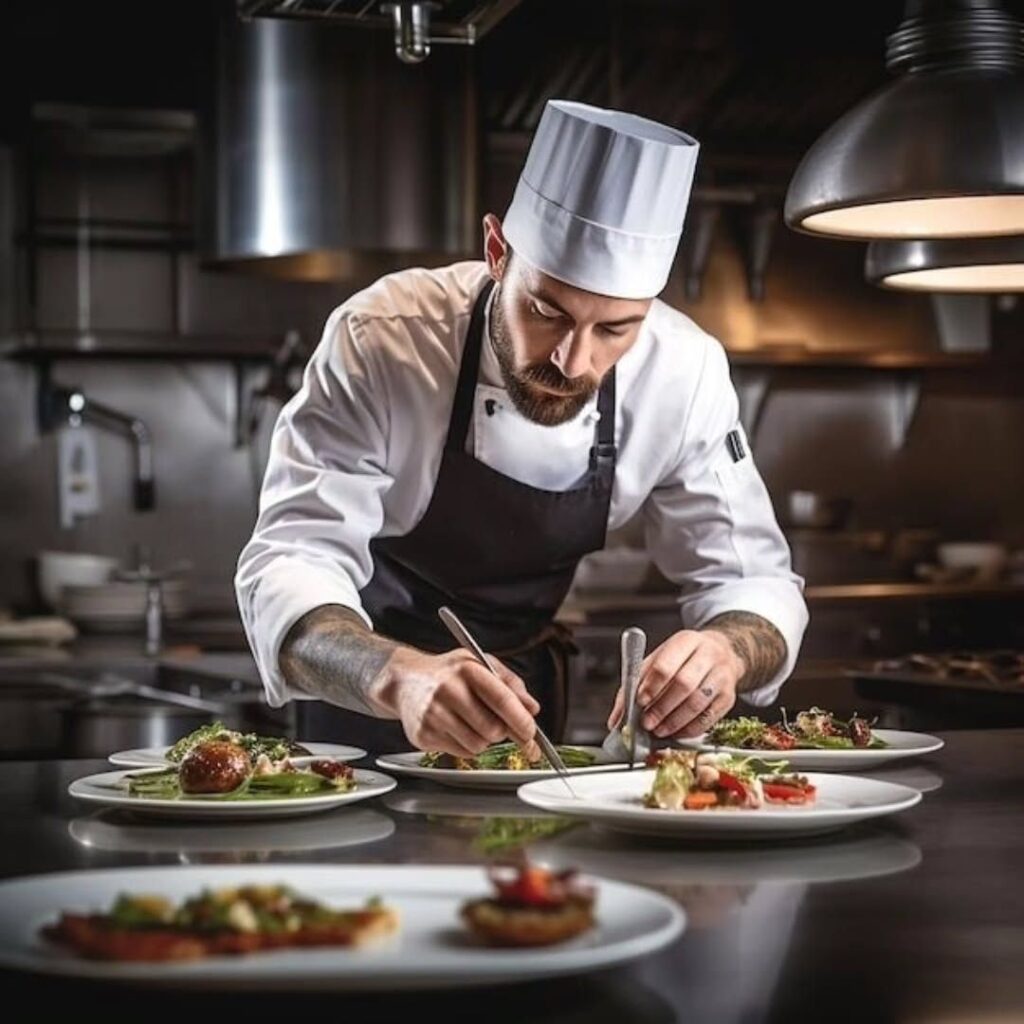
Food Production Course After 12th: Career, Jobs, Salary & Skills
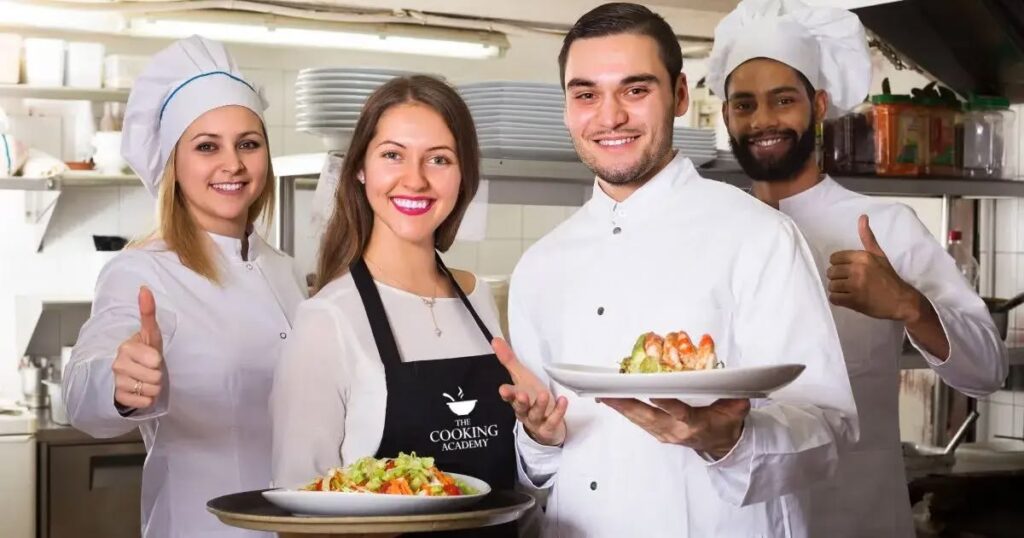
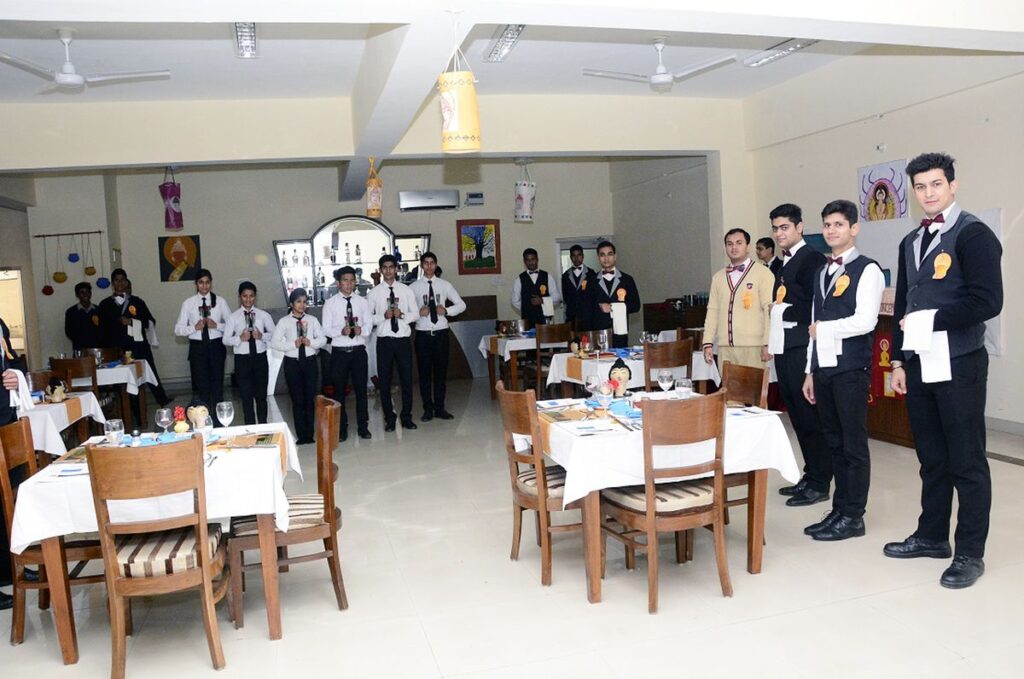
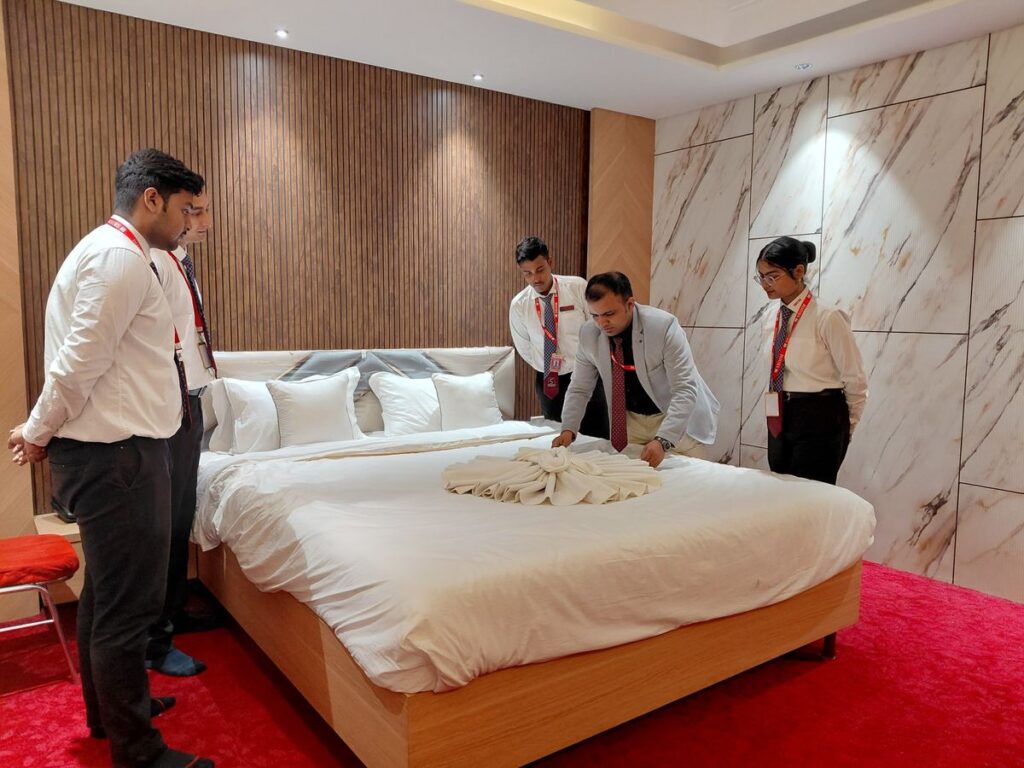
Food Production Course After 12th: Career, Jobs, Salary & Skills If you enjoy cooking, food preparation, kitchen operations, and hospitality, a Food Production Course After 12th can be a strong starting point for a culinary career. Food Production is one of the most important areas of hotel management and covers everything from basic cooking techniques to professional kitchen operations. Students can build careers in hotels, restaurants, resorts, catering companies, bakeries, cruise ships, cloud kitchens, and other food businesses. This guide explains Food Production courses after Class 12, eligibility, subjects, practical training, skills, jobs, salary, career growth, and future opportunities. Food Production Course After 12th: Quick Overview Factor Details Main focus Cooking & kitchen operations Suitable for Students interested in culinary careers Key skills Cooking, hygiene, teamwork, time management Workplaces Hotels, restaurants, resorts, catering Entry-level role Commis Chef / Kitchen Trainee Career growth Commis → CDP → Sous Chef → Executive Chef Practical training Important part of culinary education The exact course duration, eligibility, subjects, and qualification depend on the institute. What Is Food Production? Food Production refers to the preparation, cooking, presentation, and management of food in a professional kitchen. It is not limited to cooking. Students can also learn about: Kitchen organisation Food preparation Ingredients Cooking methods Food safety Kitchen hygiene Menu planning Food presentation Cost control Kitchen equipment Food Production is a core area for students who want to build a career as a chef. Food Production Course After 12th: What Can You Study? After Class 12, students can consider different types of programs depending on their career goals. Bachelor’s in Hotel Management A Bachelor’s in Hotel Management can provide Food Production training along with other hospitality departments. Students can learn: Food Production Front Office Food & Beverage Service Housekeeping Hospitality Management This is useful if you want broader hospitality knowledge along with culinary skills. Diploma in Hotel Management A diploma can provide practical exposure to hotel operations and Food Production. It may be suitable for students looking for a shorter route into hospitality. Culinary Arts Course A culinary-focused course generally places greater emphasis on: Cooking Kitchen techniques Cuisine Food presentation Culinary operations Bakery and Confectionery Course Students interested specifically in baking can consider programs focused on: Cakes Bread Pastry Desserts Chocolates Confectionery Food Production Course Eligibility After 12th Eligibility depends on the institute and program. Many undergraduate hospitality programs accept students who have completed Class 12, subject to the institution’s admission requirements. Diploma and certificate programs can have different eligibility conditions. Always check the latest official eligibility requirements before applying. GIHM’s Bachelor’s in Hotel Management is a three-year undergraduate program covering Food Production along with other major hotel departments. GIHM Bachelor in Hotel Management Food Production Course Subjects The exact syllabus varies, but students may study: Basic Food Production Students learn fundamental kitchen and cooking techniques. Indian Cuisine This can include regional Indian cooking and traditional preparation methods. Continental Cuisine Students can learn Western cooking techniques and commonly used ingredients. Bakery Students may learn: Bread making Cakes Pastries Baking techniques Food Safety Food safety covers: Hygiene Safe food handling Storage Cross-contamination prevention Kitchen Management Students learn about: Kitchen organisation Staff coordination Equipment Inventory Cost control Food Presentation Professional food presentation is an important culinary skill. Practical Training in Food Production Food Production is highly practical. Students should receive opportunities to practise: Knife skills Cooking techniques Food preparation Baking Plating Kitchen organisation Food safety Practical training helps students become comfortable with professional kitchen equipment and working procedures. GIHM’s Bachelor’s program includes practical learning and six months of industrial training during the sixth semester according to its published program information. GIHM Bachelor in Hotel Management Skills Required for Food Production A successful culinary professional needs more than cooking knowledge. 1. Cooking Skills You need to understand ingredients, recipes, cooking methods, and techniques. 2. Knife Skills Safe and efficient knife handling is essential in professional kitchens. 3. Time Management Food preparation and service operate according to strict schedules. 4. Teamwork Professional kitchens involve chefs, commis chefs, stewards, and other staff working together. 5. Hygiene Maintaining food and personal hygiene is essential. 6. Creativity Chefs need creativity when developing dishes and presentation. 7. Discipline Professional kitchens can be demanding, requiring punctuality and consistency. 8. Attention to Detail Taste, texture, temperature, portion size, and presentation all matter. 9. Communication Kitchen teams need clear and quick communication. 10. Stress Management Busy service periods can be high-pressure, so staying calm is important. Jobs After a Food Production Course After completing a relevant course and gaining practical experience, students can explore roles such as: Commis Chef Usually one of the entry-level culinary positions. Demi Chef de Partie Supports a Chef de Partie and handles assigned kitchen responsibilities. Chef de Partie Manages a particular section of the kitchen. Sous Chef Assists the Executive Chef and supervises kitchen operations. Executive Chef Oversees the overall culinary operation. Pastry Chef Specialises in desserts, pastries, cakes, and related products. Bakery Chef Focuses on breads and bakery production. Personal Chef Provides cooking services for individual clients or families. Food Production Career Path A typical career path may look like: Trainee ↓ Commis Chef ↓ Demi Chef de Partie ↓ Chef de Partie ↓ Sous Chef ↓ Executive Sous Chef ↓ Executive Chef The actual progression varies depending on the employer, hotel category, experience, performance, and specialisation. Food Production Salary in India Salary varies according to: Experience Position Hotel or restaurant Location Employer Cuisine specialisation Skills Entry-level kitchen professionals generally earn less than experienced chefs. As you progress from Commis Chef to Chef de Partie, Sous Chef, and Executive Chef, compensation can increase along with responsibilities. Published salary figures should be treated as indicative because actual salaries vary significantly between employers and locations. Chef Salary After a Food Production Course Completing a Food Production course does not automatically result in a particular salary. Your starting compensation can depend on: Course qualification Practical experience Internship Employer Hotel category Location Culinary skills Professionals can improve their earning potential by gaining experience, developing specialisations,