My blog

Author name: admin

Hotel management student developing human skills alongside AI
The GIHM

Hotel Management Skills AI Cannot Replace

Hotel Management Skills That AI Cannot Replace Artificial intelligence is changing the hospitality industry. Hotels are already using technology for reservations, chat support, data analysis, personalized recommendations, revenue management, and other operational tasks. But even as AI becomes more capable, some hotel management skills remain deeply human. A machine can process information in seconds. It can recommend a room, answer a routine question, or analyze booking patterns. But hospitality is ultimately about people. Guests want to feel welcomed, understood, respected, and valued. That is why future hotel professionals need to develop skills that technology cannot easily reproduce. Why Human Skills Still Matter in Hospitality Hotels are service businesses. A guest may remember the room, but they may remember even more how an employee treated them. Consider a guest who arrives after a long journey and discovers a problem with their room. An automated system might identify the issue. A trained hotel professional can recognize the guest’s frustration, communicate with empathy, find a suitable solution, and make the person feel genuinely cared for. That human connection remains one of the strongest advantages hospitality professionals have. 1. Empathy Empathy is the ability to understand another person’s feelings and perspective. This is especially important in hospitality. Guests can arrive at a hotel feeling: Tired Excited Stressed Confused Disappointed Celebratory A hotel employee needs to understand the situation before deciding how to respond. AI can identify words and patterns, but genuine human empathy remains difficult to replicate. 2. Emotional Intelligence Emotional intelligence helps professionals understand and manage emotions—both their own and those of others. A hotel manager may need to recognize when: A guest is becoming frustrated An employee is overwhelmed A team is under pressure A conflict is developing The right response may depend on tone, body language, timing, and context. These subtle human signals are extremely important in hospitality. 3. Leadership AI can provide information to managers. It cannot replace the responsibility of leading people. Hotel leaders need to: Motivate employees Build trust Delegate responsibilities Resolve conflicts Give feedback Make difficult decisions Develop teams Leadership is about influencing people and creating a positive working environment. That requires human judgment. 4. Communication Technology can generate messages. But effective hospitality communication involves much more than words. Hotel professionals need to understand: Tone Context Body language Cultural differences Timing Emotional reactions A manager speaking to an upset employee may need a completely different approach from speaking to a VIP guest. Human communication remains essential. 5. Problem-Solving AI can suggest solutions based on available information. But hotels frequently face unusual situations. For example: A guest arrives early, their room isn’t ready, their luggage is damaged, and they have an important meeting in an hour. There may not be one standard solution. A hotel professional needs to consider the circumstances and make a practical decision. That ability to adapt is one of the most valuable hotel management skills. 6. Creativity Hospitality businesses constantly need new ideas. Creativity can help hotels develop: New guest experiences Events Food concepts Marketing campaigns Packages Service improvements AI can assist with brainstorming, but humans provide personal experiences, cultural understanding, intuition, and original perspectives. 7. Personalization Luxury hospitality is built around personalization. A guest may appreciate an employee remembering: Their preferred room Dietary preferences Favourite drink Special occasion Previous request Technology can help store this information. But a human employee decides how and when to use it naturally. That human touch can make personalization feel genuine rather than automated. 8. Cultural Awareness Hotels welcome guests from around the world. Professionals need to understand different: Cultures Customs Traditions Communication styles Social expectations Cultural sensitivity can prevent misunderstandings and improve guest experiences. Hotel management students who develop cultural awareness can become more effective hospitality professionals. 9. Conflict Resolution Not every guest complaint can be solved with a predefined response. A serious complaint may require: Listening Understanding the situation Showing empathy Taking responsibility where appropriate Finding a solution Following up A human manager can adjust their response based on the guest’s emotions and circumstances. 10. Decision-Making Under Pressure Hotels can become extremely busy. Managers may have to make decisions during: Full occupancy Large events Staff shortages Technical failures Guest complaints Unexpected emergencies AI can provide data. The manager still needs to decide what action makes sense. 11. Teamwork Hotels depend on departments working together. Front Office, Housekeeping, Food & Beverage, Kitchen, Engineering, Sales, and other departments need constant coordination. Technology can connect these teams. But successful teamwork depends on trust, cooperation, communication, and mutual understanding. 12. Hospitality Instinct Experienced hotel professionals often develop an instinct for service. They may notice that: A guest needs assistance A restaurant is becoming overcrowded A team member needs support A small issue could become a larger complaint This comes from experience and observation. It isn’t simply a checklist. 13. Mentoring and Coaching Experienced hotel managers help younger employees grow. They teach through: Feedback Demonstration Encouragement Experience Constructive criticism AI can provide information, but professional development often requires human mentorship. 14. Negotiation Hotel professionals negotiate with: Suppliers Corporate clients Event planners Employees Partners Guests Successful negotiation requires understanding priorities and finding mutually acceptable solutions. 15. Genuine Guest Relationships Technology can automate communication. But relationships are different. A returning guest may prefer speaking with a familiar employee because that person remembers their preferences and understands their expectations. That relationship can create loyalty. AI Is Not the Enemy of Hotel Professionals The future isn’t necessarily humans versus AI. It is more likely to be humans working with AI. AI can help hotel professionals by: Analyzing data Automating repetitive tasks Predicting demand Supporting customer service Improving efficiency Identifying trends This allows employees to spend more time on tasks that require human judgment and interaction. Hotel Management Skills Students Should Build Alongside AI Knowledge Future hospitality professionals should learn how to use AI rather than ignore it. At the same time, they should strengthen their human capabilities. A useful combination is: AI Skills + Human Skills = Future-Ready Hospitality Professional Students can learn: AI

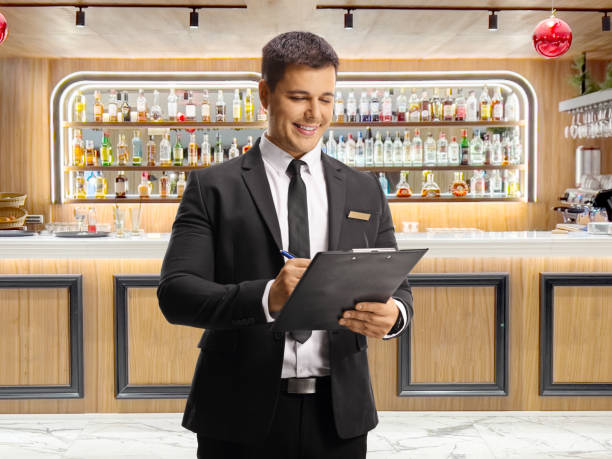
Hotel staff working behind the scenes at a luxury hotel
The GIHM

Behind the Scenes at a Luxury Hotel

What Really Happens Behind the Scenes at a Luxury Hotel? When guests walk into a luxury hotel, they usually notice the elegant lobby, beautiful rooms, professional staff, impressive restaurants, and personalized service. But what guests see is only a small part of the operation. Behind every smooth check-in, perfectly prepared room, memorable meal, and quick guest request is a large team working together. A luxury hotel is essentially a carefully coordinated system where dozens of employees and departments work behind the scenes to create an experience that feels effortless. For hotel management students, understanding these hidden operations can provide a better idea of what working in the luxury hospitality industry is actually like. The Guest Experience Starts Before Check-In A luxury hotel experience doesn’t begin when a guest enters the lobby. It can begin days or even weeks earlier. Before arrival, hotel teams may review: Reservation details Guest preferences Special requests Arrival information Room requirements Transportation arrangements Celebration details If a guest has previously stayed at the property, their preferences may help the hotel personalize the experience. This preparation is one reason luxury hospitality can feel highly personalized. 1. Front Office Keeps the Guest Journey Moving The Front Office is one of the most visible hotel departments, but much of its work happens behind the scenes. Front Office teams coordinate: Reservations Check-ins Check-outs Room assignments Guest requests Information Billing Communication with other departments A Front Office employee may also coordinate with Housekeeping, Engineering, Food & Beverage, and Concierge teams. The objective is to make the guest journey as smooth as possible. 2. Housekeeping Does Much More Than Clean Rooms Guests may simply see a clean room. Behind that clean room is a detailed process. Housekeeping teams manage: Room cleaning Linen Towels Amenities Room inspections Public areas Lost and found Special room requirements In a luxury hotel, small details matter. The placement of amenities, cleanliness of surfaces, presentation of beds, and overall room condition can influence the guest’s perception of quality. 3. The Kitchen Starts Working Before Guests Wake Up Luxury hotel kitchens can be extremely busy. Chefs and kitchen teams may begin preparing ingredients well before breakfast service starts. Behind the scenes, they manage: Ingredient preparation Food storage Menu planning Hygiene Cooking Plating Inventory Food safety Coordination with service staff During busy periods, communication between the kitchen and restaurant team becomes essential. 4. Food & Beverage Teams Coordinate Every Meal A restaurant may look calm to a guest. Behind the scenes, multiple people may be coordinating: Table reservations Orders Food preparation Drinks Table settings Special dietary requests Billing Guest preferences In a luxury property, service consistency is particularly important. 5. Concierge Teams Know the Destination Luxury hotel guests often expect more than accommodation. They may ask for: Restaurant recommendations Transportation Local attractions Event tickets Shopping suggestions Private experiences City tours Concierge professionals need strong local knowledge and excellent communication skills. They often become an important part of the guest experience. 6. Engineering Keeps Everything Working One of the least visible but most important hotel departments is Engineering. Guests may never meet the engineering team. But these professionals help maintain: Air conditioning Electricity Plumbing Elevators Lighting Water systems Equipment If everything works perfectly, guests may never think about Engineering. That is often a sign the department is doing its job well. 7. Security Works Around the Clock Luxury hotels need strong security systems. Security teams may monitor: Entrances Public areas CCTV Access points Emergency situations Guest safety Security professionals also coordinate with other departments when necessary. Their goal is to protect guests, employees, and hotel property while maintaining a welcoming environment. 8. Laundry Is a Major Operation Hotels require enormous amounts of clean textiles. Laundry teams may handle: Bed sheets Pillow covers Towels Table linen Staff uniforms Special guest laundry In a large luxury hotel, laundry operations can involve significant quantities every day. The process requires careful sorting, washing, drying, pressing, folding, and distribution. 9. Purchasing Teams Keep the Hotel Stocked A hotel needs thousands of products. These can include: Food ingredients Cleaning supplies Guest amenities Office materials Linen Beverages Maintenance equipment The purchasing department works with suppliers to ensure the hotel has what it needs. Poor inventory management can affect operations quickly. 10. Stores and Inventory Teams Control Supplies Once supplies arrive, they need to be stored correctly. Hotel stores teams may manage: Receiving Storage Stock levels Issue records Expiry dates Inventory checks For food products, proper storage is particularly important for quality and safety. 11. Sales Teams Bring Guests to the Hotel A luxury hotel cannot depend only on walk-in guests. Sales teams work to attract: Corporate clients Tour groups Wedding bookings Events Conferences Travel partners Long-stay guests They communicate with businesses, travel agencies, event planners, and other partners. 12. Marketing Creates the Hotel’s Image Marketing teams help communicate what makes the hotel different. They may work on: Social media Advertising Content Photography Website updates Promotions Campaigns Luxury hotel marketing is not simply about showing beautiful rooms. It is about communicating an experience and brand identity. 13. Revenue Management Decides How Rooms Are Priced Hotel room prices can change depending on: Demand Season Events Occupancy Competition Booking patterns Revenue management teams use data to make pricing decisions. Their work directly affects hotel revenue. This is an excellent example of how modern hotel management combines hospitality with business analytics. 14. Human Resources Supports the People Behind the Hotel A luxury hotel can have hundreds of employees. Human Resources helps manage: Recruitment Training Employee records Workplace policies Staff development Employee engagement Hospitality depends heavily on people, making HR an important part of hotel operations. 15. Training Happens Continuously Luxury service standards need to be maintained. Employees may receive training in: Guest service Communication Grooming Safety Food hygiene Hotel procedures Technology Training helps ensure that different employees deliver a consistent guest experience. 16. Technology Connects Hotel Departments Modern luxury hotels rely heavily on technology. Hotel systems can help departments manage: Reservations Room status Guest information Payments Housekeeping Inventory Revenue Communication Technology

Hotel management student exploring a career in luxury brand management
The GIHM

Hotel Management to Luxury Brand Manager

Can Hotel Management Students Become Luxury Brand Managers? Luxury brands are built around more than expensive products. They sell experiences, exclusivity, service, storytelling, attention to detail, and emotional connections. That is why hotel management students can have an interesting pathway into luxury brand management. A student who studies hotel management learns how to understand guests, deliver personalized service, manage operations, communicate professionally, and maintain high service standards. These skills can be valuable far beyond traditional hotels. Luxury fashion houses, premium automobile companies, jewellery brands, private clubs, lifestyle companies, luxury travel businesses, and high-end retail brands all need professionals who understand the expectations of premium customers. So, can hotel management students become luxury brand managers? Yes—but they need to combine their hospitality education with business, marketing, branding, and luxury-market knowledge. What Does a Luxury Brand Manager Actually Do? A luxury brand manager is responsible for helping a premium brand maintain its identity and grow its business. Depending on the company, responsibilities may include: Brand strategy Marketing campaigns Customer experience Market research Product positioning Digital marketing Partnerships Events Customer relationships Brand communication The role requires both creativity and business thinking. A luxury brand manager must understand not only what customers want, but also why they want it. Why Hotel Management Skills Are Relevant At first, hotel management and luxury fashion or lifestyle brands may appear completely different. But there is a major connection: Both industries focus heavily on customer experience. A luxury hotel guest expects: Personalized attention Professional communication Fast service Attention to detail Privacy Consistency Premium experiences Luxury customers often expect similar standards from other premium brands. This makes hospitality training surprisingly relevant. 1. Customer Experience One of the strongest skills hotel management students develop is understanding the customer. In luxury hospitality, every interaction matters. A guest may remember: How they were welcomed How staff communicated Whether their preferences were remembered How quickly problems were solved How personalized the experience felt Luxury brands also focus heavily on these details. A future brand manager needs to understand how customers feel throughout their entire interaction with a brand. 2. Attention to Detail Luxury businesses compete on details. A small mistake can affect the perception of an expensive product or service. Hotel management teaches students to pay attention to: Presentation Grooming Service standards Cleanliness Communication Timing Guest preferences This attention to detail can transfer well into luxury brand environments. 3. Professional Communication Luxury brand managers communicate with many stakeholders. They may work with: Customers Designers Marketing teams Sales teams Media Agencies Business partners Senior management Hotel management students who develop strong communication skills can build a useful foundation for such roles. 4. Understanding Premium Customers Luxury customers often have high expectations. Hospitality education exposes students to the importance of understanding customer needs and preferences. Students learn that good service isn’t necessarily about doing more. It is about doing the right thing at the right time. That mindset can be valuable in luxury brand management. 5. Handling Complaints Professionally Even premium brands receive complaints. A customer might be unhappy about: Service Delivery Product availability Communication Personalization Hotel management students learn how to remain calm and professional when dealing with dissatisfied guests. That experience can be useful in premium customer environments. 6. Sales and Upselling Hotels frequently use upselling. For example, guests may be offered: Room upgrades Dining experiences Spa services Premium packages Luxury brands also depend on effective selling. The difference is that luxury selling is usually more focused on relationship-building and value than aggressive sales techniques. Hospitality students can learn how to recommend products or services based on customer needs. 7. Event Management Luxury brands frequently organize: Product launches Fashion events Private dinners Customer experiences Brand activations VIP events Hotel management students often receive exposure to event planning and hospitality operations. This can be useful when moving into luxury brand events and experiential marketing. 8. International Exposure Luxury brands often operate globally. Hotel management can prepare students to work with people from different cultures and backgrounds. Understanding international etiquette and cultural differences can be particularly valuable when dealing with global luxury customers. 9. Grooming and Professional Presentation Luxury industries place significant importance on professional presentation. Hotel management education often emphasizes: Grooming Professional appearance Body language Etiquette Communication These skills can help students adapt to premium customer-facing environments. 10. Team Management A luxury brand manager rarely works alone. They may coordinate teams across: Marketing Sales Operations Public relations Events Customer experience Hotel management students can develop teamwork and leadership skills through practical training and internships. What Extra Skills Do Hotel Management Students Need? Hospitality knowledge alone may not be enough to become a luxury brand manager. Students should also develop additional skills. Luxury Marketing Learn how premium brands position themselves. Understand: Brand identity Customer segmentation Storytelling Campaigns Brand positioning Digital Marketing Luxury brands increasingly use: Social media Websites Search Influencer marketing Video Digital advertising Understanding digital marketing can increase career options. Consumer Behaviour Students should learn why people buy premium products and experiences. Luxury purchasing can involve: Status Identity Exclusivity Quality Heritage Emotional value Understanding these motivations is important for brand management. Business Knowledge Brand managers need to understand business performance. Useful areas include: Sales Revenue Pricing Market share Customer acquisition Profitability Data Analysis Luxury brands increasingly use customer and market data. Students can learn basic: Excel Analytics Market research Customer data interpretation Brand Storytelling Luxury brands often have strong stories. Their history, craftsmanship, heritage, founders, materials, and design philosophy can all contribute to brand identity. Students who learn storytelling can become stronger marketers. Luxury Industries Hotel Management Students Can Explore Hotel management graduates don’t have to limit themselves to hotels. They can potentially explore roles in: Luxury Fashion Premium fashion houses need professionals in customer experience, retail, events, and brand operations. Luxury Retail High-end retail stores require employees who understand premium customer service. Jewellery Luxury jewellery businesses depend on trust, presentation, personalization, and customer relationships. Premium Automobiles Luxury automobile companies provide highly personalized customer experiences. Luxury Travel Premium travel companies need professionals who

Hotel management students developing skills for future hospitality careers
The GIHM

10 Skills Every Future Hotelier Should Build

The Future Hotelier: 10 Skills Students Should Start Building Today The hospitality industry is changing quickly. Hotels are becoming more digital, guests are expecting more personalized experiences, and employers are looking for professionals who can do more than follow traditional hotel procedures. For today’s hotel management students, this means preparing for the future should start long before graduation. A successful future hotelier may need to understand: Guests Technology Business Communication Leadership Marketing Data Culture Problem-solving Innovation A degree can provide the foundation, but students need to actively develop practical skills that help them stand out in a competitive hospitality industry. Here are 10 skills future hoteliers should start building today. 1. Communication Skills Communication is one of the most important skills in hospitality. Hotel professionals communicate with: Guests Colleagues Managers Suppliers Travel partners International visitors Good communication means more than speaking clearly. It also means listening carefully, choosing the right tone, understanding body language, and responding appropriately. How Students Can Improve Students can practise: Public speaking Presentations Professional conversations Active listening English communication Written communication A confident communicator can often handle guest interactions more effectively. 2. Customer Service Skills Hospitality is ultimately about people. Guests remember how they were treated. Future hoteliers should learn how to: Understand guest expectations Respond politely Handle difficult situations Solve problems Remain professional under pressure Customer service isn’t about saying yes to everything. It’s about finding appropriate solutions while protecting the hotel’s standards. 3. Problem-Solving Skills Hotels are unpredictable environments. A guest may arrive early. A room may not be ready. A restaurant may suddenly become busy. A reservation may have an error. Technology may stop working. Future hotel managers need to stay calm and think clearly. A useful problem-solving process is: Identify → Analyse → Solve → Check → Improve Students can develop this skill through practical training, internships, projects, and real-world situations. 4. Leadership Skills A hotel manager doesn’t work alone. They lead teams across departments such as: Front Office Housekeeping Food & Beverage Food Production Sales Administration Future leaders need to know how to: Delegate Motivate Communicate Give feedback Make decisions Handle conflicts Leadership isn’t simply about giving instructions. It’s about helping a team perform at its best. 5. Technology Skills Technology is changing hospitality. Modern hotels use technology for: Reservations Payments Guest communication Marketing Revenue management Customer data Smart rooms Reporting Students don’t necessarily need to become programmers. But they should understand how technology can improve hotel operations. Useful areas to explore include: Hotel management software Digital marketing AI Data analytics Online reputation management Social media A future hotelier who understands both people and technology can have a strong advantage. 6. Digital Marketing Skills Guests increasingly discover hotels online. A hotel may need digital marketing for: Search engines Social media Websites Online advertising Email campaigns Content marketing Reputation management Even students planning traditional hotel careers can benefit from understanding digital marketing. A future hotel manager may need to understand how their property is presented online. 7. Emotional Intelligence Hospitality involves people with different emotions. A guest could be: Excited Tired Angry Nervous Confused Celebrating Employees need to recognize these emotions and respond appropriately. Emotional intelligence involves: Self-awareness Empathy Patience Emotional control Social awareness This skill can be particularly valuable when dealing with complaints. 8. Cultural Awareness Hotels welcome people from different backgrounds. Future hoteliers may work with guests and colleagues from: Different countries Different cultures Different age groups Different professional backgrounds Cultural awareness helps professionals avoid misunderstandings and provide more respectful service. Students can develop this skill by learning about: International etiquette Cultural traditions Food preferences Communication styles Travel behaviour Global hospitality requires a global mindset. 9. Business and Financial Awareness Hotel management isn’t only about service. Hotels are businesses. Future managers should understand basic concepts such as: Revenue Costs Profit Occupancy Pricing Budgeting Customer acquisition A manager who understands both guest satisfaction and business performance can make better decisions. Students don’t need to become accountants. But basic financial knowledge can help them understand how hotel businesses operate. 10. Adaptability and Continuous Learning Perhaps the most important future skill is adaptability. Hospitality continues to evolve. New technologies, guest expectations, travel trends, and business models can change the industry. A professional who stops learning may struggle to keep up. Future hoteliers should develop a habit of: Reading Learning new tools Following industry trends Asking questions Seeking feedback Taking courses Learning from experience The hospitality professional of the future will likely be a continuous learner. Bonus Skills That Can Give Students an Extra Advantage The 10 skills above provide a strong foundation, but students can develop additional skills to become more competitive. Storytelling Hotels sell experiences. Being able to tell compelling stories can help with: Marketing Guest communication Presentations Sales Branding Sales Skills Hotel professionals may need to sell: Rooms Events Packages Restaurants Experiences Understanding customer needs is an important part of effective sales. Time Management Hotels operate around the clock. Students should learn how to prioritize tasks and manage deadlines. Teamwork Hospitality is highly collaborative. A Front Office employee may depend on Housekeeping. Food & Beverage may coordinate with the Kitchen. Events may involve several departments. Strong teamwork keeps operations running smoothly. Networking Career opportunities can come through professional relationships. Students can start networking through: Internships Industry events College activities Alumni Professional platforms Hospitality workshops Creativity Hotels constantly need new ideas for: Guest experiences Food concepts Events Marketing Packages Services Creativity can help future professionals find better ways to solve problems. Why These Skills Matter in Modern Hospitality The hospitality industry is no longer limited to traditional hotel jobs. Graduates can explore careers in: Luxury hotels Resorts Restaurants Airlines Cruise companies Travel businesses Event management Hospitality technology Tourism Digital marketing Revenue management Guest experience Entrepreneurship This means students can build careers by combining hotel management with other skills. For example: Hotel Management + Digital Marketing can lead toward hospitality marketing. Hotel Management + Data can support revenue management. Hotel Management + Technology can lead toward hotel technology roles. Hotel Management +

Hotel management student analysing guest complaints for business ideas
The GIHM

Guest Complaints to Business Ideas for Hoteliers

From Guest Complaints to Business Ideas: Lessons for Future Hoteliers A guest complaint is usually treated as a problem. But for a future hotelier, it can also be a business opportunity. When guests complain, they are often telling a hotel something important: What is inconvenient What is missing What takes too long What creates frustration What they expected but didn’t receive What could be improved For students studying hotel management, learning how to listen to complaints can provide valuable insights into customer behaviour and business opportunities. The best entrepreneurs don’t only ask, “How can we solve this complaint?” They also ask: “Why are guests experiencing this problem, and could there be a better solution?” This mindset can turn everyday hospitality challenges into ideas for new services, products, technology, or even businesses. Why Guest Complaints Matter Complaints provide direct feedback from customers. Hotels can learn about: Service quality Pricing Waiting times Cleanliness Food Technology Communication Convenience Staff behaviour Facilities Instead of ignoring complaints, future hoteliers can use them as a source of information. 1. A Complaint Can Reveal an Unmet Need Suppose guests repeatedly complain: “There aren’t enough healthy breakfast options.” The obvious solution is to add more choices. But an entrepreneur might think further. Could the hotel create: A healthy breakfast package? A nutrition-focused menu? Grab-and-go breakfast boxes? A wellness meal subscription? A partnership with a local healthy-food company? The complaint has revealed an unmet need. 2. Repeated Complaints Are Especially Valuable One complaint may be an isolated incident. But when the same issue appears repeatedly, it becomes a pattern. For example: Guest 1: “The check-in process took too long.” Guest 2: “Why can’t I check in online?” Guest 3: “We had to wait at reception.” This suggests a broader problem. The business opportunity could involve: Digital check-in Self-service kiosks Mobile verification Better queue management 3. Complaints Can Inspire Technology Solutions Many modern hospitality businesses have been created to solve operational problems. Imagine hotel managers repeatedly saying: “We struggle to respond to guest requests quickly.” This could inspire a technology solution that allows guests to request: Towels Room cleaning Maintenance Food Transportation Extra amenities Technology can turn a recurring operational problem into a scalable product. 4. Waiting Time Can Become a Business Opportunity Guests often dislike unnecessary waiting. They may complain about: Check-in Restaurant service Room service Transportation Housekeeping requests A future entrepreneur could develop services that reduce waiting time. The lesson is simple: When customers complain about time, look for ways to make the process faster. 5. Food Complaints Can Reveal New Concepts Food and beverage generates a huge amount of customer feedback. Guests may complain about: Limited choices Long waiting times Portion sizes Dietary options Lack of local food Pricing Menu complexity Each complaint can provide an idea. For example: “There aren’t enough vegetarian options.” could inspire a specialized vegetarian menu. “There is no quick breakfast.” could inspire a grab-and-go breakfast concept. 6. Complaints About Local Experiences Can Inspire Tourism Businesses Hotel guests frequently ask: Where should we go? What should we eat? What can we do nearby? How can we explore the city? Can someone arrange transportation? If guests repeatedly struggle to find reliable local experiences, there may be an opportunity for: Local tours Cultural experiences Food tours Transportation services Travel planning Destination concierge businesses Hotel management students can learn to observe these questions carefully. 7. Housekeeping Complaints Can Inspire New Services Guests may complain about: Cleaning schedules Laundry Missing amenities Room organization Slow service These problems could inspire specialized services such as: On-demand housekeeping Hotel laundry technology Room inspection software Smart inventory systems A complaint can therefore reveal an operational gap. 8. Business Travellers Have Different Problems Business travellers may complain about: Slow Wi-Fi Lack of workspace Poor meeting facilities Transportation Limited working hours Charging facilities These complaints can inspire: Hotel coworking spaces Business lounges Flexible meeting rooms Premium Wi-Fi services Business travel packages 9. Families Can Reveal Different Opportunities Families may need: Child-friendly meals Extra beds Babysitting Entertainment Family activities Flexible room arrangements Repeated requests can inspire specialized family hospitality packages. 10. Senior Travellers Can Highlight Accessibility Needs Guests with mobility or accessibility requirements may identify problems that other customers don’t notice. Complaints might involve: Accessibility Bathroom design Elevators Signage Transportation Room layouts These needs can inspire better accessible hospitality services. 11. Luxury Guests Can Reveal Premium Opportunities Luxury travellers may want: Privacy Personalization Exclusive experiences Premium transportation Personalized dining Concierge services A repeated request for a particular premium service could become a specialized business opportunity. 12. Complaints Can Improve Hotel Design Sometimes guests complain about physical spaces. For example: “There aren’t enough charging points.” That’s not just a complaint. It could inspire: Better room design Smart furniture Integrated charging stations Work-friendly rooms Future hotel designers and entrepreneurs can learn from these details. 13. Complaints Can Inspire Better Hotel Apps Guests may want to: Request services Order food Contact reception Book activities Control room features Check bills If existing processes are inconvenient, entrepreneurs can explore digital solutions. 14. Negative Reviews Can Reveal Market Gaps Online reviews are a valuable source of information. Instead of only looking at positive ratings, future hoteliers should examine negative reviews. Ask: What keeps appearing? If multiple guests complain about the same issue across hotels, there could be a wider market opportunity. 15. Complaints Can Reveal Pricing Problems Guests don’t always complain because a product is expensive. They may complain because they don’t understand its value. For example: “Why does this service cost so much?” This can indicate a communication problem. A business could improve: Pricing transparency Package design Service explanations Value communication 16. A Complaint Can Lead to a New Hospitality Package Suppose guests repeatedly ask: “Can you arrange airport pickup and sightseeing together?” Instead of handling every request separately, a hotel could create a complete package: Airport Transfer + Hotel Stay + City Tour + Meals This converts individual requests into a structured product. 17. Guest Complaints Can Inspire Subscription Services Some hospitality needs are recurring. For example:

Hotel management professional using technology for hospitality operations
The GIHM

Technology Jobs in the Hospitality Industry

How Technology Is Creating New Jobs in the Hospitality Industry Technology is changing almost every part of the hospitality industry. Hotels today use technology for reservations, payments, guest communication, marketing, revenue management, housekeeping coordination, security, and customer experience. But technology isn’t only changing existing hotel jobs. It is also creating new career opportunities. As hotels become more digital, hospitality professionals increasingly need to understand both people and technology. This means future hotel management graduates may find opportunities beyond traditional Front Office, Food & Beverage, Housekeeping, and Kitchen roles. New positions connected with data, digital marketing, artificial intelligence, revenue management, guest technology, and hotel systems are becoming increasingly relevant. For students considering a career in hospitality, this creates an important opportunity: learning technology alongside hotel management can make their skill set more versatile. How Is Technology Changing Hospitality? Technology is being used throughout the guest journey. A modern hotel may use technology for: Online reservations Mobile check-in Digital payments Guest messaging Revenue management Customer relationship management Online marketing Smart-room systems Inventory management Data analysis Artificial intelligence These systems require people who understand how technology works and how it can be applied to hospitality. 1. Digital Hotel Jobs Are Growing Traditional hotel roles remain important, but technology has created additional responsibilities. Hotels may now need professionals who understand: Hotel software Digital platforms Customer data Online reputation Digital marketing Automation Analytics This creates opportunities for people who combine hospitality knowledge with digital skills. 2. Hotel Technology Manager A hotel technology manager may be responsible for helping a property use technology effectively. Responsibilities can involve: Hotel management systems Network coordination Digital tools Technology vendors System maintenance Staff technology support This role combines hospitality operations with technology management. 3. Revenue Management Careers Revenue management has become an important area of hotel business. Revenue professionals analyze factors such as: Demand Occupancy Room rates Market trends Competitor pricing Booking patterns Technology helps them process large amounts of information. This has created demand for professionals who can understand both hospitality and data. 4. Hotel Data Analyst Hotels generate large amounts of data. This can include: Booking data Guest preferences Occupancy Revenue Reviews Marketing performance Data analysts can help hotels identify patterns and make better business decisions. For a hotel management student, learning basic data analysis can therefore be a valuable additional skill. 5. Digital Marketing Jobs in Hospitality Guests increasingly discover hotels online. This has created opportunities in: SEO Social media Content marketing Email marketing Paid advertising Online reputation management Video marketing A hotel management graduate with digital marketing skills can potentially work at the intersection of hospitality and marketing. 6. Social Media Manager for Hotels Hotels need engaging digital content. A hospitality social media professional may create content around: Rooms Restaurants Events Guest experiences Local attractions Offers Behind-the-scenes activities Understanding hotel operations can actually help a social media professional create more authentic content. 7. Hotel SEO Specialist Search engines are important in hotel discovery. Guests may search for: Hotels near an airport Luxury hotels in a city Family hotels Business hotels Resorts Hotels near attractions SEO professionals help hotels appear when potential guests search for relevant services. This creates an interesting career path for people who understand both hospitality and digital marketing. 8. Online Reputation Manager Guest reviews can strongly influence hotel bookings. Hotels need professionals who monitor: Reviews Ratings Social media comments Guest feedback Online complaints Reputation professionals can help hotels respond appropriately and identify recurring issues. 9. Customer Experience Technology Specialist Technology can help hotels personalize guest experiences. Professionals may work with systems that manage: Guest preferences Communication Booking history Feedback Service requests The objective is to use technology while keeping the guest experience personal. 10. AI-Related Hospitality Jobs Artificial intelligence is creating new possibilities in hospitality. AI can potentially support: Guest communication Data analysis Personalization Demand forecasting Marketing Customer service Operational planning As these technologies develop, hospitality professionals who understand AI applications may become increasingly valuable. 11. Chatbot and Guest Communication Roles Hotels can use automated chat systems to answer common guest questions. For example: “What time is breakfast?” “Where is the fitness centre?” “Can I request late checkout?” Technology can handle simple questions while hotel employees focus on situations that require human judgment. This creates opportunities for professionals who understand both guest service and digital communication. 12. Smart Hotel Specialists Smart hotel technology can connect various systems. Examples include: Smart room controls Digital locks Energy management Automated lighting Connected devices Hotels may need employees who understand how these systems affect operations and guest experience. 13. Hotel Automation Specialists Automation can reduce repetitive tasks. For example: Automated reporting Inventory alerts Digital payments Reservation updates Guest notifications Employees can then focus more on tasks requiring human interaction. The future is not necessarily about removing people. It can be about allowing people to spend more time on valuable work. 14. Cybersecurity Careers in Hospitality Hotels handle sensitive information. This can include: Guest details Payment information Booking information Employee data As hotels become more connected, cybersecurity becomes increasingly important. This creates opportunities for technology professionals within hospitality businesses. 15. Hospitality App and Product Roles Hotels increasingly use digital platforms. These can include: Booking applications Guest apps Loyalty platforms Restaurant ordering systems Digital concierge tools Hospitality companies may need product managers and technology professionals who understand how guests use these platforms. 16. Digital Guest Experience Manager A digital guest experience manager can focus on how guests interact with the hotel through technology. This may include: Website experience Mobile applications Digital communication Online booking Digital check-in Guest feedback The role connects customer experience with digital technology. 17. Virtual Reality in Hospitality Virtual reality could also create new roles. Hotels and tourism companies can potentially use VR for: Property tours Destination experiences Training Marketing Event planning Future hospitality professionals may need to understand how immersive technologies can be applied to guest experiences. 18. Augmented Reality Opportunities Augmented reality can overlay digital information onto the real environment. Potential hotel applications could include: Digital directions Property information Destination guides Interactive menus

Hotel management students learning luxury hospitality and guest service
The GIHM

Luxury Brand Lessons for Hotel Management Students

What Can Hotel Management Students Learn From Luxury Brands? Luxury brands are known for more than expensive products. They create a feeling. Whether it is a luxury hotel, fashion house, premium automobile company, or high-end restaurant, successful luxury brands understand how to make customers feel valued, recognized, and connected to an experience. This makes luxury brands an interesting source of learning for hotel management students. Hospitality is also an experience-driven industry. Guests don’t simply pay for a room. They expect comfort, service, attention, convenience, and sometimes a sense of exclusivity. By studying how luxury brands operate, future hoteliers can learn valuable lessons about guest experience, personalization, branding, communication, service quality, and attention to detail. What Makes a Brand Feel Luxurious? Luxury is not defined by price alone. A premium experience can come from: Exceptional service Attention to detail Personalization Quality Consistency Exclusivity Strong branding Emotional connection These principles are highly relevant to hospitality. A hotel management student who understands these concepts can develop a better understanding of what separates ordinary service from memorable service. 1. Luxury Brands Understand Their Customers Successful luxury brands know who they are serving. They understand their customers’: Expectations Preferences Lifestyle Interests Buying behaviour Perception of value Hotels can apply the same approach. A business traveller may value speed and convenience. A family may value comfort and facilities. A luxury traveller may prioritize privacy and personalized service. Lesson for Students Don’t treat every guest exactly the same. Understand the person behind the booking. 2. Personalization Creates a Stronger Experience One of the biggest lessons from luxury brands is personalization. Customers appreciate when brands understand their preferences. Hotels can personalize experiences through: Room preferences Food choices Special occasions Previous stay information Preferred communication Personalized recommendations For example, remembering that a returning guest prefers a particular type of room can make the guest feel recognized. Small details can have a significant impact. 3. Attention to Detail Matters Luxury brands are often extremely careful about small details. In hotels, details can include: Room presentation Staff appearance Greeting style Table setup Lighting Cleanliness Packaging Communication A guest may not consciously notice every detail. But collectively, these details influence perception. Future Hotelier Lesson Luxury is often created through consistency in small things. 4. Consistency Builds Trust Imagine visiting the same luxury hotel three times. The first visit is excellent. The second is average. The third is disappointing. The brand experience becomes unpredictable. Luxury brands work hard to maintain consistency. Hotels need the same mindset. Guests should receive reliable standards across: Rooms Food Service Communication Cleanliness Guest relations Consistency helps create trust. 5. Luxury Is About Experience, Not Just Products A luxury hotel doesn’t simply provide: A bed + bathroom + restaurant. It provides an overall experience. This may include: Arrival experience Atmosphere Service Food Entertainment Wellness Personalized attention Departure experience Hotel management students should learn to look at the complete guest journey. 6. The First Impression Is Powerful Luxury brands carefully manage first impressions. In a hotel, the first impression can begin before the guest arrives. It can involve: Website Booking process Confirmation communication Arrival Lobby Reception Staff greeting Every touchpoint communicates something about the brand. 7. Employees Represent the Brand In hospitality, employees are part of the product. A beautiful hotel cannot deliver a luxury experience if employees are consistently unprofessional. Luxury hospitality requires employees who understand: Brand values Communication Professionalism Service standards Guest expectations Future hotel managers therefore need to understand both operations and people management. 8. Communication Should Feel Natural Luxury service shouldn’t feel robotic. Employees need to communicate professionally while still sounding human. For example: Instead of: “Your request cannot be fulfilled.” a more thoughtful approach might be: “I’m sorry, that option isn’t available at the moment, but let me see what alternative I can arrange for you.” The second response communicates willingness to help. 9. Luxury Brands Sell Stories Luxury brands often have strong stories behind them. Hotels can also tell stories about: Architecture Heritage Local culture Cuisine Founders Design Destination Stories can make a hotel more memorable. This is one reason storytelling is becoming an important skill for future hoteliers. 10. Scarcity Can Create Perceived Exclusivity Luxury brands often create a sense of exclusivity. In hospitality, this can be achieved through: Limited experiences Private dining Exclusive events Personalized services Unique packages However, exclusivity should create value rather than simply inconvenience guests. 11. Quality Should Be Visible in the Details Luxury customers expect quality. In hotels, quality can appear through: Bedding Amenities Food Service Interior design Cleanliness Maintenance Students should understand that quality isn’t just something a manager checks at the end. It needs to be built into daily operations. 12. Luxury Brands Invest in Employee Training Exceptional customer experiences usually require trained employees. Hotel employees need continuous development in: Communication Service Technical skills Problem-solving Guest relations Professional behaviour Training isn’t a one-time activity. It is an ongoing process. 13. Customer Experience Is Everyone’s Responsibility A guest doesn’t experience hotel departments separately. They experience one hotel. The guest doesn’t think: “The Front Office performed well, but Housekeeping didn’t.” They simply think: “My hotel experience was good.” That means departments must work together. 14. Luxury Brands Understand Emotional Value A luxury product may have a high price. But customers often buy the feeling associated with it: Status Confidence Identity Exclusivity Belonging Hotels also create emotional value. A guest may choose a luxury hotel because they want to feel: Relaxed Special Celebrated Important Pampered Future hoteliers should learn to recognize these emotional expectations. 15. Service Recovery Is Part of Luxury Even luxury hotels experience mistakes. A reservation can be incorrect. A room may not be ready. A guest may receive the wrong order. What matters is how the hotel responds. A strong service recovery approach can include: Listen → Acknowledge → Apologize → Resolve → Follow Up The objective is to restore trust. 16. Luxury Hotels Pay Attention to Language Words matter in hospitality. Employees should avoid unnecessarily negative or dismissive language. Instead of focusing on what

Hotel management student learning storytelling and communication skills
The GIHM

Storytelling Skills for Future Hoteliers

Why Storytelling Is Becoming a Powerful Skill for Future Hoteliers Hotels sell much more than rooms. They sell experiences, emotions, memories, and moments that guests can remember long after checkout. Think about the difference between saying: “Our hotel has a restaurant serving local cuisine.” and: “Our restaurant brings traditional local recipes to the table using ingredients sourced from nearby communities.” The second statement creates an image. It gives the guest something to imagine. This is the power of storytelling in hotel management. As hospitality becomes more competitive, future hoteliers need skills that go beyond traditional operations. Communication, technology, leadership, customer service, and marketing are all important—but the ability to tell a meaningful story can also help hotels connect with guests. For future hospitality professionals, storytelling can become a valuable tool for creating memorable experiences and building stronger hotel brands. What Is Storytelling in Hospitality? Hospitality storytelling means using meaningful narratives to communicate the identity, experience, culture, people, and values behind a hotel or hospitality business. A hotel can tell stories about: Its history Local culture Architecture Food Employees Destination Sustainability Guests Traditions Brand philosophy The goal isn’t simply to entertain. Good storytelling helps guests understand why an experience is special. Why Do Stories Matter in Hospitality? People don’t always remember facts. They often remember experiences. A guest may forget the exact size of a hotel room but remember: A chef explaining a traditional recipe A staff member helping during a special occasion A memorable local tour A unique hotel tradition A beautiful cultural experience Stories can give these experiences meaning. 1. Stories Make Hotels More Memorable Hotels compete with countless other properties. A hotel with a unique story can become easier to remember. For example, a boutique hotel may have: A historic building Local artwork Traditional architecture A family-owned history These details can become part of its identity. Lesson for Future Hoteliers Don’t only ask: “What facilities does the hotel have?” Also ask: “What makes this hotel worth remembering?” 2. Storytelling Can Strengthen a Hotel Brand Branding is more than logos and colours. A strong hotel brand has a personality. Storytelling can help communicate: Who the hotel is What it believes What experience it provides What makes it different For future hotel managers, understanding brand storytelling can be useful because guests increasingly discover hotels through digital platforms before visiting. 3. Local Culture Creates Natural Stories Hotels are connected to their destinations. A hotel in Delhi NCR has access to stories connected with: Food Architecture History Art Markets Festivals Local traditions These stories can become part of the guest experience. Instead of simply providing accommodation, the hotel can help visitors understand the destination. 4. Food Can Tell a Story Food is one of the strongest storytelling tools in hospitality. A dish can represent: Family traditions Regional culture Local ingredients Historical influences Seasonal celebrations A chef who explains the story behind a dish can transform an ordinary meal into a more memorable experience. 5. Chefs Can Become Storytellers A chef’s role doesn’t have to stop at preparing food. Chefs can explain: Why an ingredient was selected Where it came from How a dish was created What tradition inspired it This can create a deeper connection between food and guest experience. 6. Hotel Employees Have Stories Too Hospitality is a people-driven industry. Employees interact with guests every day. Their experiences can become part of the hotel’s identity. For example, a long-serving employee might know: The hotel’s history Interesting guest experiences Local traditions Stories about the property’s development Sharing appropriate stories can make hospitality feel more personal. 7. Storytelling Can Improve Guest Engagement A guest may be more interested in an experience when they understand the story behind it. Compare: “This is a local handicraft.” with: “This craft is traditionally produced by artisans in the region and reflects techniques passed down through generations.” The second explanation encourages curiosity. 8. Storytelling Can Support Personalization Every guest has different interests. Some may love: Food History Art Architecture Adventure Sustainability Hotels can use relevant stories to create more personalized experiences. A history enthusiast may appreciate a story about the hotel’s heritage. A food lover may enjoy learning about local cuisine. 9. Stories Can Make Luxury Feel More Authentic Luxury isn’t only about expensive materials. Modern luxury can also involve: Authenticity Exclusivity Personalization Meaningful experiences Local connections A luxury hotel can use storytelling to explain why a particular experience, product, or service is unique. 10. Storytelling Can Help Hotels Stand Out Online Guests often discover hotels through: Search engines Social media Travel websites Videos Reviews Hotel websites A simple list of facilities may not be enough to capture attention. Stories can make digital content more engaging. For example: “Swimming pool available.” is informational. But: “Start your evening with a sunset swim overlooking the city skyline.” creates an experience in the reader’s mind. 11. Social Media Is Built Around Stories Platforms such as Instagram and other social channels are highly visual and narrative-driven. Hotels can use storytelling through: Short videos Behind-the-scenes content Chef stories Employee stories Guest experiences Destination guides Property history This allows potential guests to see the personality behind the hotel. 12. Storytelling Can Humanize Hotel Brands Large hotel brands can sometimes feel impersonal. Stories can show the human side of the business. For example: Meet the chef Meet the housekeeping team Meet the concierge Meet the hotel manager Behind the scenes of breakfast service These stories remind customers that hospitality is delivered by people. 13. Stories Can Build Emotional Connections People often connect emotionally with stories. A hotel that communicates: “We provide 100 rooms.” is giving information. A hotel that communicates: “Our property was designed to give travellers a comfortable place to reconnect with the character of the destination.” is communicating a feeling. Emotional connection can influence how customers perceive a brand. 14. Storytelling Can Support Guest Loyalty A memorable experience can encourage guests to return. If a hotel has a strong identity and memorable stories, guests may feel connected to the property beyond the

Hotel management student using virtual reality for hospitality training
The GIHM

Virtual Reality in Hotel Management Training

Could Virtual Reality Change Hotel Management Training? Hotel management has traditionally been taught through a combination of classroom lessons, practical sessions, demonstrations, internships, and industrial training. But technology is changing how students learn. One technology that could have an interesting impact on hospitality education is virtual reality (VR). Imagine a hotel management student putting on a VR headset and entering a virtual hotel lobby. Instead of simply reading about guest complaints, the student could practise responding to a difficult guest. Instead of memorizing Front Office procedures, they could navigate a simulated check-in environment. This doesn’t mean virtual reality will replace practical hotel training. Instead, VR could become another tool that helps students practise situations before experiencing them in real hospitality environments. For future hoteliers, this combination of technology and practical learning could make training more interactive, immersive, and flexible. What Is Virtual Reality in Hotel Management? Virtual reality creates a computer-generated environment that users can interact with using VR equipment. In hotel management education, VR could simulate environments such as: Hotel lobbies Guest rooms Restaurants Kitchens Front Offices Housekeeping areas Conference spaces Resorts Students could potentially practise tasks and scenarios without needing access to a physical hotel every time. Why Could VR Be Useful for Hospitality Students? Hotel management involves situations that are difficult to recreate repeatedly in a classroom. For example: What happens when a guest becomes angry? How should a receptionist handle an overbooking situation? What should an employee do during an emergency? How should a restaurant team respond when service becomes extremely busy? These situations can be simulated through technology. Students could practise responses in a controlled environment before encountering similar situations in real life. 1. VR Could Make Learning More Immersive Traditional classroom learning often involves reading, listening, and watching demonstrations. VR adds another dimension. Students can potentially experience an environment rather than simply study it. A virtual hotel lobby can allow students to look around, identify different areas, and interact with simulated situations. This may make certain concepts easier to understand and remember. 2. Students Could Practise Guest Interactions Guest interaction is one of the most important parts of hospitality. A VR simulation could create different guest personalities. For example: The Confused Guest The student needs to provide clear directions. The Angry Guest The student needs to remain calm and find a solution. The Impatient Guest The student needs to communicate efficiently. The First-Time Traveller The student needs to provide reassurance and guidance. These simulations could help students develop communication and problem-solving skills. 3. VR Could Help Students Learn From Mistakes One advantage of simulations is that students can practise without creating real-world consequences. A student may make the wrong decision during a simulated guest interaction. Instead of facing an actual customer complaint, they can receive feedback and try again. This creates a learning cycle: Practise → Make Mistake → Receive Feedback → Try Again → Improve That can be particularly useful for developing confidence. 4. Front Office Training Could Become More Interactive Front Office is heavily dependent on communication and decision-making. VR could simulate: Check-in Check-out Room allocation Guest questions Complaints Special requests Reservation problems Students could practise these scenarios before working with real guests. 5. Housekeeping Training Could Use Virtual Simulations Housekeeping involves detailed standards. A virtual environment could potentially allow students to inspect a simulated hotel room and identify problems. For example: Is the bed properly prepared? Are amenities correctly placed? Is something missing? Is the room presentation acceptable? Students could learn to identify issues through interactive exercises. 6. Food & Beverage Training Could Become More Dynamic Restaurant operations can become extremely busy. VR could simulate: Restaurant table layouts Guest orders Service sequences Busy dining periods Customer complaints Special dietary requests Students could practise prioritizing tasks in a simulated restaurant environment. 7. Kitchen Training Could Benefit From Simulations Practical kitchen training cannot be replaced by VR. Students still need real ingredients, equipment, knives, heat, and hands-on cooking experience. However, VR could potentially supplement learning by showing: Kitchen layouts Equipment identification Workflow Safety scenarios Hygiene procedures Emergency situations This could help students understand processes before entering the physical training kitchen. 8. VR Could Help With Emergency Training Some hotel situations are difficult or dangerous to recreate physically. VR could simulate scenarios such as: Fire emergencies Evacuation procedures Crowd management Security situations Equipment failures Students could practise making decisions without exposing themselves or others to real danger. 9. Students Could Explore Different Hotel Environments Not every student gets immediate exposure to every type of hotel. VR could potentially provide simulations of: Business hotels Luxury hotels Resorts Boutique properties Airport hotels Convention hotels This could broaden students’ understanding of hospitality environments. 10. VR Could Support Luxury Hotel Training Luxury hospitality depends heavily on attention to detail. VR simulations could recreate premium hotel environments where students practise: Guest greetings Concierge interactions Personalized service VIP guest handling Professional body language Service recovery This could help students understand the difference between basic service and high-end guest experience. 11. Cultural Training Could Become More Realistic Hotels welcome guests from many cultures. VR could potentially create scenarios involving guests with different: Communication styles Cultural expectations Food preferences Travel backgrounds Students could learn how to adapt their communication while maintaining professionalism. 12. VR Could Improve Confidence A student who is nervous about interacting with guests may benefit from repeated simulation practice. They can practise the same scenario multiple times. For example: First attempt: Nervous response Second attempt: Better communication Third attempt: More confident response Repeated practice can make real-world situations feel less unfamiliar. 13. VR Could Help Teachers Assess Students VR training could potentially record performance data. Teachers may be able to assess: Response time Decision-making Communication choices Task completion Mistakes Scenario performance This could provide another way to evaluate practical learning. 14. Students Could Learn Through Different Scenarios One of the biggest possibilities is scenario-based learning. Instead of asking: “What would you do if a guest complained?” a student could actually experience a simulated complaint. For example: A guest

Hotel management professional understanding guest behaviour
The GIHM

Hotel Psychology: Understanding Guest Behaviour

How Hotels Use Psychology to Understand Guest Behaviour A hotel guest may choose a property because of its location, price, reviews, facilities, or brand name. But what happens after the guest arrives? Why does one hotel feel welcoming while another feels uncomfortable? Why do some guests remember a small personalized gesture for years? Why can a long wait at reception affect the entire impression of a stay? The answer is closely connected to hotel guest behaviour. Hotels are not simply selling rooms. They are creating experiences for people with different expectations, emotions, habits, cultures, and preferences. Understanding basic psychology can therefore help future hoteliers understand why guests behave differently and how thoughtful service can influence their overall experience. For hotel management students, this is an important lesson: Great hospitality begins with understanding people. What Is Hotel Guest Behaviour? Hotel guest behaviour refers to the way guests think, feel, decide, communicate, and respond during their interaction with a hotel. It can include: How guests choose a hotel What influences booking decisions How they respond to staff What they expect from service How they react to problems What makes them return How they leave reviews What makes them recommend a hotel Every guest is different. That’s why understanding behaviour is an important part of hospitality management. 1. Guests Form Opinions Quickly People often form first impressions within moments of entering a new environment. In a hotel, guests may immediately notice: Entrance design Lighting Cleanliness Staff appearance Lobby atmosphere Greeting Waiting time Noise levels A positive first impression can create confidence. A poor first impression can make guests more critical of everything that follows. Lesson for Future Hoteliers The first few minutes of the guest journey can have a significant psychological impact. 2. The Booking Experience Influences Expectations Guest psychology begins before arrival. When customers book a hotel, they develop expectations based on: Photographs Reviews Website content Price Brand reputation Descriptions Location Previous experiences If the actual hotel experience matches those expectations, guests are more likely to feel satisfied. If reality is significantly different, disappointment can occur. This is why honest and accurate communication is important in hospitality. 3. Price Influences Perceived Value Guests don’t always judge a hotel purely by its price. They often think about: “What am I getting for what I am paying?” A higher-priced hotel may still feel valuable if the guest receives: Excellent service Comfortable rooms Personalized attention Quality food Convenient facilities A cheaper hotel may feel expensive if the experience doesn’t meet expectations. Lesson for Students Understanding value perception can be just as important as understanding price. 4. The Power of Personalization People generally appreciate feeling recognized. A simple gesture such as remembering a guest’s preference can make an interaction feel more personal. Examples may include recognizing: A returning guest A room preference A dietary requirement A special occasion A previously communicated request Personalization doesn’t always require expensive upgrades. Sometimes, remembering the right detail is enough. 5. Guests Want Convenience Many guests don’t want unnecessary complications. They may value: Fast check-in Clear directions Easy payment Quick room service Simple communication Easy access to facilities From a psychological perspective, reducing unnecessary effort can improve the overall experience. Future Hotelier Lesson Ask yourself: “How can I make this easier for the guest?” That question can improve many hotel processes. 6. Waiting Time Feels Longer When Guests Are Uncertain A five-minute wait can feel much longer if guests don’t know what is happening. For example: “Your room will be ready in approximately 10 minutes.” can feel better than: “Please wait.” Communication can reduce uncertainty. This is why hotel employees should keep guests informed when delays occur. 7. Emotional Intelligence Matters Not every guest expresses their needs clearly. A guest may say: “I’m fine.” while their body language suggests frustration. Hospitality professionals need to pay attention to: Tone Facial expressions Body language Word choice Patience Emotional changes This is where emotional intelligence becomes valuable. 8. Different Guests Have Different Expectations A business traveller and a family on vacation may have very different priorities. Business Traveller May value: Fast Wi-Fi Quiet rooms Efficient check-in Workspace Quick service Family Traveller May prioritize: Room size Food options Safety Recreation Convenience Couple May focus on: Privacy Atmosphere Dining Comfort Experiences Understanding the purpose of the trip can help hotels provide more relevant service. 9. Cultural Differences Influence Behaviour Hotels often welcome guests from different cultures. Communication styles can vary. Some guests may prefer direct communication. Others may value a more formal approach. Food preferences, personal space, greetings, and service expectations can also differ. Future hoteliers should develop cultural awareness rather than assuming every guest thinks the same way. 10. Guests Remember Emotions People may forget small details about a hotel room. But they often remember how the experience made them feel. A guest may remember: Feeling welcomed Feeling ignored Feeling respected Feeling frustrated Feeling surprised Feeling valued This is why emotional experience is so important in hospitality. 11. Small Surprises Can Create Positive Memories A thoughtful gesture can sometimes exceed expectations. For example: A handwritten welcome note Assistance with a special request A small birthday gesture Remembering a preference The value isn’t necessarily financial. The psychological impact comes from unexpected thoughtfulness. 12. Consistency Builds Trust Imagine a guest receives excellent service one day and poor service the next. The inconsistency can create uncertainty. Guests generally want to know what to expect. Consistent: Cleanliness Communication Service Food quality Staff behaviour can help build trust. For hotel management students, this demonstrates why standard operating procedures and staff training are important. 13. Cleanliness Influences Perception Cleanliness is not simply an operational requirement. It also influences how guests perceive the quality of a property. A clean environment can communicate: Professionalism Care Safety Quality Attention to detail Even expensive interiors cannot completely compensate for poor cleanliness. 14. Lighting Can Influence Mood Hotel environments use lighting for more than visibility. Lighting can help create different moods. For example: Warm lighting can feel relaxing. Bright lighting can feel energetic. Soft lighting

Scroll to Top