My blog

Author name: admin

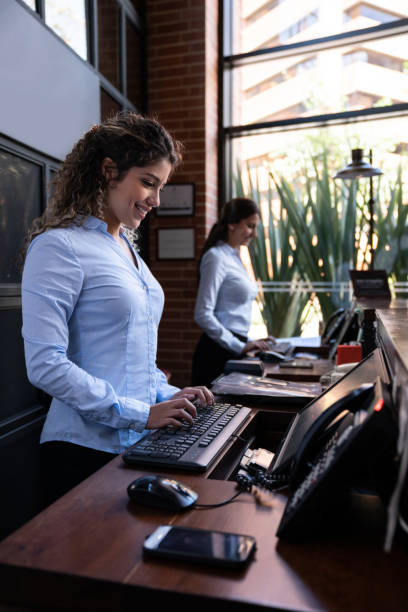
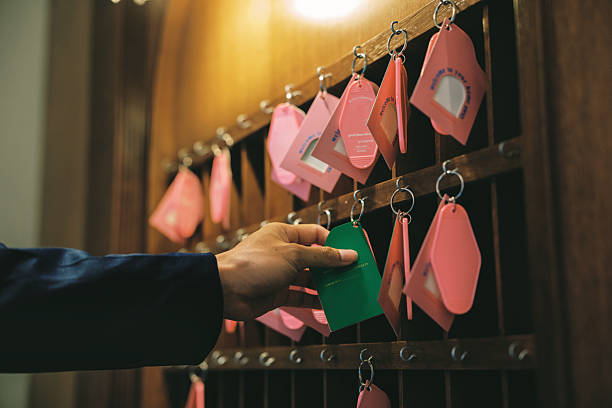
Hotel staff managing operations during full hotel occupancy
The GIHM

What Happens When a Hotel Is Fully Booked?

What Happens When a Hotel Gets Fully Booked? A Student’s Guide Imagine a hotel showing 100% occupancy. Every room is booked. Guests are arriving throughout the day. Some are checking out. Others are requesting early check-in. Housekeeping teams are working continuously. The restaurant is busy. Front Office is receiving calls. Managers are monitoring every department. For a hotel management student, this is one of the best examples of how different hotel departments have to work together. A fully booked hotel isn’t simply a hotel with no rooms left. It is a complex operational situation that requires planning, communication, coordination, technology, and quick decision-making. Understanding what happens during full occupancy can help students see how hotel management works beyond textbooks. What Does “Fully Booked” Mean? A hotel is considered fully booked when all of its available rooms have been sold or allocated for a particular date. For example, if a hotel has 200 sellable rooms and all 200 are booked, the hotel has reached 100% occupancy. However, the situation can be more complicated. Hotels also need to consider: Cancellations No-shows Early check-outs Late check-outs Room maintenance Out-of-order rooms Group bookings VIP arrivals Room types This means hotel teams need to continuously monitor inventory. Why Is a Fully Booked Hotel Challenging? High occupancy is generally positive for a hotel because it means strong demand. But it also creates operational pressure. More guests can mean: More check-ins More check-outs More housekeeping work More restaurant demand More luggage More guest requests More phone calls More maintenance requirements Every department becomes busier. That’s why high occupancy tests the hotel’s ability to coordinate. What Happens Before the Hotel Becomes Fully Booked? The work doesn’t begin when the last room is sold. Hotels monitor demand in advance. Revenue and reservations teams may look at: Booking pace Upcoming events Historical demand Room rates Group reservations Cancellations Competitor pricing If demand is increasing rapidly, the hotel may adjust room rates and availability based on its revenue strategy. This is one reason students should understand that hotel management involves both operations and business decisions. Front Office: The Control Centre for Guest Arrivals Front Office becomes especially important when occupancy is high. The team may need to coordinate: Arrivals Departures Room assignments Guest requests Payments Identification Special requirements When the hotel is fully booked, there is little room for mistakes. A room assigned incorrectly can create a chain reaction. That’s why accurate information and communication are essential. Housekeeping Becomes Extremely Busy Housekeeping is one of the departments most affected by high occupancy. When guests check out, rooms need to be cleaned and inspected before new guests arrive. During full occupancy, there can be a constant cycle: Check-out → Cleaning → Inspection → Room Ready → Check-in If the process slows down, guests may have to wait for their rooms. Housekeeping therefore needs to coordinate closely with Front Office. Why Room Status Matters Hotels use room-status information to track which rooms are: Occupied Vacant Clean Dirty Inspected Out of order Under maintenance Accurate room status is essential. Imagine a room that has already been cleaned but still appears as dirty in the system. Front Office may not assign it. On the other hand, if a room is incorrectly marked ready, a guest could be sent to a room that isn’t prepared. Technology and communication help prevent these problems. What Happens When Guests Arrive Early? Early arrivals can create challenges. Suppose a guest arrives at 10 AM, but the standard check-in time is later. If the hotel is fully booked, there may be fewer clean rooms available. The Front Office team may: Check whether an appropriate room is ready Offer luggage storage Communicate the expected waiting time Provide access to available facilities Coordinate with Housekeeping The key is communication. Guests are generally more comfortable when they understand what is happening. What About Late Check-Outs? Late check-outs can also affect operations. If a departing guest stays beyond the expected time, Housekeeping may have less time to prepare the room for the next arrival. During high occupancy, Front Office needs to monitor late check-outs carefully. Hotels may have specific policies for late departures depending on availability. The Role of Reservations The Reservations team plays an important role even after occupancy becomes high. They may monitor: Cancellations Changes No-shows Room availability Future bookings Special requests If a cancellation occurs, the room may become available again. The team needs accurate information to update inventory. What Happens With No-Shows? A no-show is a guest who has a reservation but doesn’t arrive as expected. Hotels need procedures for handling these bookings. Depending on the reservation’s terms, the hotel may release the room after a particular time or apply applicable policies. When occupancy is high, every room matters. Proper reservation management helps the hotel make the best use of its available inventory. What Is an Overbooking? This is one of the most interesting concepts for hotel management students. Sometimes hotels accept more reservations than the number of physical rooms available. Why? Because historically, some guests cancel or don’t show up. This practice is known as overbooking. However, if more guests arrive than the hotel can accommodate, the situation becomes complicated. The hotel may need to: Review reservations Prioritize according to policy Contact guests Arrange alternative accommodation when necessary Provide appropriate assistance according to the hotel’s policy Overbooking requires careful revenue management and strong guest-service skills. What Does the Hotel Manager Do? When occupancy is high, the hotel manager needs to keep an eye on the entire operation. They may monitor: Occupancy Guest complaints Room readiness Staffing Restaurant demand Maintenance VIP arrivals Operational bottlenecks The manager doesn’t necessarily perform every task personally. Instead, they coordinate department heads and make decisions when issues arise. This is why leadership is an important part of hotel management. Food & Beverage Gets Busier Too A fully booked hotel can mean more customers in restaurants and other food-service outlets. The Food & Beverage team may experience higher demand during: Breakfast Lunch Dinner Events Banquets The


Hotel management student developing professional hospitality skills
The GIHM

Hotel Management Skills to Stand Out at Work

Hotel Management Skills That Can Make You Stand Out in Your First Job Getting your first job after completing a hotel management course can feel exciting and challenging at the same time. You may have a degree or diploma, completed practical classes, and perhaps even finished industrial training. But once you enter a real hotel, you quickly discover that academic knowledge is only one part of becoming a successful hospitality professional. Employers also look for hotel management skills that show you can communicate professionally, work with a team, handle guests, solve problems, and remain calm during busy situations. Your first job is your opportunity to turn what you learned in college into practical workplace performance. So, what skills can help you stand out from other fresh graduates? 1. Professional Communication Communication is one of the most important skills in hospitality. Hotel employees communicate with: Guests Managers Colleagues Vendors Travel partners Corporate clients You don’t need to use complicated English. You need to communicate clearly, politely, and confidently. For example, instead of simply saying, “Wait,” a professional employee might say: “Certainly, I’ll check that for you and get back to you shortly.” Small differences in communication can influence the guest experience. 2. Guest Handling Skills Hospitality is ultimately about people. Guests may be: Happy Confused Tired In a hurry Celebrating something Frustrated about a problem A strong hospitality professional knows how to adjust their approach. Listen carefully, understand the concern, and respond professionally. Don’t immediately become defensive when someone complains. Your ability to handle difficult situations calmly can make a strong impression on your supervisor. 3. Active Listening Many students focus on speaking but forget about listening. Active listening means giving your full attention to what the guest or colleague is saying. Instead of thinking about your response while the other person is talking, listen for: The actual problem Important details The customer’s expectations What solution they need A guest may not always explain their problem perfectly. Good listening helps you identify what they really need. 4. Confidence Without Arrogance Confidence can make a new employee appear more prepared. But confidence doesn’t mean pretending to know everything. If you don’t know the answer, it is better to say: “I’m not completely sure, but I’ll check with my supervisor and help you with that.” This is more professional than providing incorrect information. Be confident enough to communicate, but humble enough to learn. 5. Teamwork Hotels don’t operate through individual effort. Front Office depends on Housekeeping. Food & Beverage works with Food Production. Sales coordinates with Operations. Events require multiple departments. A new employee who understands teamwork can quickly become valuable. Help colleagues when appropriate, communicate important information, and understand that the hotel’s success depends on everyone working together. 6. Time Management Hospitality can become extremely busy. You may have several responsibilities at the same time. For example: A guest needs assistance. The phone is ringing. A colleague needs information. A supervisor has given you another task. You need to know how to prioritize. Good time management means understanding: What needs to happen now? What can wait? What requires a supervisor? What affects the guest experience most? 7. Problem-Solving Problems are part of hospitality. A guest’s room may not be ready. A booking may contain incorrect information. A piece of equipment may stop working. A restaurant order may be delayed. Your reaction matters. Instead of immediately saying: “That’s not my problem.” Learn to think: “What can I do to help solve this?” Even when you cannot personally fix the problem, taking ownership of the situation can demonstrate professionalism. 8. Professional Grooming Hospitality is a customer-facing industry. Your appearance contributes to the first impression. Professional grooming can include: Clean and appropriate uniform Neat hair Personal hygiene Clean footwear Professional posture Appropriate body language Grooming isn’t about looking expensive. It’s about looking clean, prepared, and professional. 9. Body Language Communication isn’t only verbal. Guests also notice: Facial expressions Eye contact Posture Hand gestures Tone of voice For example, crossing your arms while a guest is speaking may appear unfriendly. Standing attentively and maintaining appropriate eye contact can communicate professionalism. 10. Adaptability Your first hospitality job may not be exactly what you expected. You may have to work different shifts, learn unfamiliar systems, or support another department during busy periods. Adaptability helps you handle change. Hotels can be unpredictable. A professional who can adjust without constantly complaining can become valuable to the team. 11. Attention to Detail Small details matter in hospitality. A guest may notice: A missing towel Incorrect billing A spelling mistake in a reservation An unclean table The wrong food order A delayed response Good hospitality professionals develop the habit of checking details before they become problems. This is especially important in Front Office, Housekeeping, Food & Beverage, and events. 12. Basic Technology Skills Modern hotels rely heavily on technology. Depending on your department, you may encounter: Property management systems Reservation software POS systems Digital payment systems Communication platforms Customer databases You don’t need to know every system before your first job. But you should be comfortable learning new technology. A willingness to learn software can make your transition into the workplace much easier. 13. Basic Financial Awareness You don’t need to become an accountant to work in hospitality. However, understanding basic financial concepts can be useful. For example: Revenue Costs Profit Discounts Food costing Inventory Waste If you understand how your work affects the hotel’s business, you begin thinking like a professional rather than simply completing tasks. 14. Sales Awareness Many students don’t initially think of sales as a hotel management skill. But hospitality professionals frequently influence purchasing decisions. For example, a Front Office employee may explain an upgraded room. A restaurant employee may recommend an additional item. A sales executive may develop a corporate relationship. Understanding customer needs can help you identify appropriate opportunities without being pushy. 15. Emotional Intelligence Hospitality can involve emotionally demanding situations. You may deal with: Angry guests Stressed colleagues Busy supervisors Unexpected problems Emotional intelligence

Hotel manager overseeing daily hotel operations
The GIHM

What Does a Hotel Manager Do All Day?

What Do Hotel Managers Actually Do All Day? A Behind-the-Scenes Look When students hear the words hotel manager job role, they may imagine someone sitting in an office, checking reports and occasionally walking around the hotel. The reality is much more dynamic. A hotel manager is involved in many parts of the property, from guest satisfaction and employee coordination to operations, financial performance, service standards, and unexpected problems. No two days necessarily look exactly the same. One morning might begin with an operations meeting. A few hours later, the manager could be handling a guest concern, checking department performance, meeting a corporate client, and reviewing hotel occupancy. This is one reason a hotel management career can be exciting for students who enjoy people, leadership, problem-solving, and fast-paced environments. But what does a hotel manager actually do throughout the day? Let’s take a behind-the-scenes look. What Is the Role of a Hotel Manager? A hotel manager is responsible for helping ensure that the hotel operates effectively and that guests receive the expected level of service. Depending on the hotel’s size and organizational structure, responsibilities can include: Managing hotel operations Supervising departments Monitoring guest satisfaction Handling complaints Coordinating employees Reviewing financial performance Maintaining service standards Supporting sales and marketing Managing operational problems Planning improvements The exact responsibilities vary between properties. A manager at a small boutique hotel may be involved in many daily tasks personally, while a large luxury hotel may have multiple department heads and specialized managers. 7:00 AM – Starting the Day With Hotel Operations For some hotel managers, the day can begin early. Hotels operate around the clock, so managers need to understand what happened during the previous shift. They may review: Occupancy Arrivals and departures VIP guests Guest complaints Maintenance issues Staffing concerns Special events Restaurant activity The goal is to identify anything that needs attention before the day’s operations become busy. 8:00 AM – Checking With Department Heads Hotels are made up of multiple departments. A manager may communicate with: Front Office Housekeeping Food & Beverage Food Production Sales Engineering Security Finance Each department has different responsibilities, but they all need to work together. For example, if the hotel expects a large number of check-ins, Front Office and Housekeeping need to coordinate closely. If a wedding is taking place, Banquets, Food & Beverage, Housekeeping, Engineering, and Events may all need to coordinate. The hotel manager helps keep these moving parts aligned. 9:00 AM – The Morning Operations Meeting A daily meeting can help management understand what needs attention. Topics might include: Occupancy levels Expected arrivals Group bookings Events Guest feedback Staffing Maintenance Restaurant performance Special requirements These meetings aren’t simply about giving instructions. They are also about identifying problems before they become bigger problems. 10:00 AM – Checking the Guest Experience A good hotel manager doesn’t stay behind a desk all day. They may walk through different areas of the property. They might check: Lobby presentation Guest areas Restaurant operations Housekeeping standards Service quality Maintenance issues This helps management understand what guests are actually experiencing. A report may say that everything is operating normally. A walk through the hotel can reveal something different. 11:00 AM – Handling Guest Concerns Hospitality is ultimately about people. Even excellent hotels can receive complaints. A guest may have an issue with: Room service Noise Housekeeping Check-in Food Billing Maintenance A hotel manager may need to step in when a situation requires additional authority or attention. The goal isn’t simply to “solve the complaint.” It is to understand the problem, protect the guest relationship, and identify whether the hotel needs to improve a process. 12:00 PM – Meeting With Clients or Business Partners Hotel managers may also meet with external stakeholders. These could include: Corporate clients Event planners Travel companies Vendors Business partners For hotels that depend heavily on conferences, weddings, or corporate travel, these relationships can be extremely important. A manager therefore needs strong communication and negotiation skills. 1:00 PM – Understanding Hotel Numbers Hospitality isn’t only about serving guests. Hotels are businesses. Managers need to understand performance indicators and financial information. They may review: Occupancy Room revenue Average room rates Food & Beverage sales Costs Labour expenses Guest feedback Forecasts They don’t necessarily perform every financial calculation themselves, but they need to understand what the numbers mean. A hotel manager should be able to ask: Are we performing well? Where are costs increasing? What can be improved? What is affecting guest satisfaction? 2:00 PM – Coordinating With Housekeeping Housekeeping plays a major role in hotel operations. Room cleanliness directly affects guest satisfaction. The manager may review: Room readiness Cleaning standards Maintenance requirements Staffing Special room requests If a hotel is fully booked, coordination becomes even more important. Front Office needs rooms. Housekeeping needs enough time and staff to prepare them. A delay can affect the entire guest experience. 3:00 PM – Food & Beverage Operations Hotels often have restaurants, cafés, bars, banquets, or room service operations. A manager may review: Restaurant performance Guest feedback Food quality Service standards Staffing Events Inventory concerns Food & Beverage can be a significant part of a hotel’s business, so managers need to understand its operations even if they specialize in another department. 4:00 PM – Staff Management A hotel cannot operate without people. Hotel managers may spend part of their day dealing with: Staffing requirements Employee performance Training Scheduling Team communication Workplace issues Leadership is one of the most important parts of the role. A manager doesn’t simply tell people what to do. They need to build teams capable of delivering consistent service. 5:00 PM – Reviewing Sales and Future Business Hotels need future bookings. Managers may meet with Sales and Marketing teams to discuss: Corporate bookings Events Group reservations Promotions Upcoming demand Business targets The hotel manager needs to understand both today’s operations and tomorrow’s business. 6:00 PM – Dealing With Unexpected Problems This is where the job can become unpredictable. A hotel manager may suddenly need to deal with: A major

Hotel management graduate planning a hospitality business
The GIHM

Hotel Management Degree & Hospitality Entrepreneurship

Can a Hotel Management Degree Help You Become a Hospitality Entrepreneur? When most students think about a hotel management degree, they imagine working in a hotel after graduation. But a hospitality education can offer another exciting direction: entrepreneurship. Instead of only looking for a job, some hospitality graduates eventually decide to build their own businesses. That business could be a boutique hotel, café, catering company, event-management firm, restaurant, travel service, cloud kitchen, homestay, or another hospitality venture. A hotel management degree doesn’t automatically turn someone into a successful entrepreneur. However, it can provide something extremely valuable: an understanding of how hospitality businesses actually work. From guest service and food production to operations, costing, communication, and team management, students can develop skills that are useful when building and managing a hospitality business. What Is a Hospitality Entrepreneur? A hospitality entrepreneur is someone who creates, owns, or develops a business connected with hospitality and customer experiences. Examples can include: Boutique hotel owners Restaurant entrepreneurs Café owners Catering business owners Event entrepreneurs Travel business founders Homestay operators Resort owners Cloud kitchen founders Hospitality consultants The business model can be very different from one entrepreneur to another. What connects them is the ability to create value for customers through service, experience, convenience, food, accommodation, travel, or entertainment. Why Can Hotel Management Be Useful for Entrepreneurs? Starting a hospitality business requires more than an idea. You need to understand what happens behind the scenes. For example, opening a restaurant requires knowledge of: Food production Purchasing Inventory Hygiene Menu planning Staffing Customer service Cost control Similarly, operating a hotel requires knowledge of: Front Office Housekeeping Food & Beverage Reservations Guest relations Revenue Sales Marketing A hotel management course can introduce students to these operational areas before they start their own business. 1. You Learn How Hospitality Operations Work One of the biggest advantages of hospitality education is operational exposure. Students learn how different departments function and how they work together. For an entrepreneur, this knowledge can be extremely useful. Imagine opening a boutique hotel. You need to understand how: Reservations → Front Office → Housekeeping → Food & Beverage → Guest Relations connect with one another. Understanding these relationships can help an entrepreneur make better operational decisions. 2. You Learn Customer Service Hospitality businesses depend heavily on customer satisfaction. A customer may forget the exact price of a meal or room. But they may remember: How they were treated How quickly their problem was solved How clean the property was How friendly the staff were How comfortable they felt Hotel management education can help students understand the fundamentals of service. These principles can later become part of their own business philosophy. 3. You Develop Professional Communication Entrepreneurs communicate with many people. That includes: Customers Employees Vendors Investors Business partners Managers Government departments Service providers Strong communication can help entrepreneurs negotiate, sell, manage teams, and build relationships. GIHM’s BHM program includes English Communication, Personality Development, and Interview Skills as part of its curriculum. These skills can be useful beyond getting a job—they can also support future business communication. 4. Practical Training Can Build Confidence Entrepreneurship requires confidence in real-world situations. Practical training gives students the opportunity to experience hospitality rather than only reading about it. GIHM provides practical exposure across: Food Production Food & Beverage Service Front Office Housekeeping as part of its BHM program. This exposure can help students understand what customers expect and how hospitality operations function. 5. You Learn About Different Types of Hospitality Businesses A hotel management student doesn’t have to become a hotel owner. During education and industry exposure, students can discover different areas of hospitality. You may become interested in: Food → Restaurant or café business Events → Event-management company Travel → Travel or tour business Accommodation → Boutique hotel or homestay Catering → Catering company Technology → Hospitality technology startup Finding the right business direction often starts with understanding the industry. 6. Industrial Training Can Teach You What Customers Actually Expect Industrial training can provide an important reality check. Classroom concepts explain how hospitality should work. Industry exposure shows how it actually works. Students can observe: Guest behaviour Service expectations Employee responsibilities Hotel workflows Operational challenges Customer complaints Team coordination GIHM’s BHM program includes six months of industrial training at a five-star hotel during the sixth semester. For a future entrepreneur, observing a professional hospitality operation can provide valuable insights. 7. You Start Understanding Costs Entrepreneurs need to understand money. Hospitality businesses have many expenses. For example: Rent Salaries Ingredients Utilities Equipment Maintenance Marketing Technology Licences Supplies A business can have excellent sales and still struggle if costs aren’t controlled. Hotel management education can introduce students to concepts related to food costing, inventory, operations, and financial management. These fundamentals can help develop a business mindset. 8. Food Costing Can Be Valuable for Restaurant Entrepreneurs If you want to start a restaurant or café, food costing becomes particularly important. Suppose you sell a dish for ₹300. That doesn’t mean you earn ₹300. You may need to account for: Ingredients Labour Packaging Utilities Rent Delivery costs Marketing Taxes and other expenses Understanding costs before setting prices is critical. Hospitality education can help students understand the operational side of food businesses. 9. You Learn About Inventory Management Inventory can make or break hospitality businesses. Hotels and restaurants manage: Food ingredients Beverages Cleaning supplies Linen Amenities Packaging Equipment Poor inventory management can lead to: Waste Theft Stock shortages Over-ordering Higher costs An entrepreneur needs to understand how to control these issues. 10. Leadership Skills Matter Entrepreneurs don’t work alone. Eventually, you may have to manage: Chefs Servers Receptionists Housekeeping staff Sales teams Supervisors Vendors Leadership becomes essential. You need to know how to: Delegate Train Motivate Communicate Evaluate Resolve conflicts Hospitality education can provide an early foundation for understanding team-based operations. 11. You Learn to Think About the Guest Journey A hospitality entrepreneur should understand the entire customer journey. Consider a hotel guest. Their experience begins before arrival. They may: Discover the hotel

Hotel management students preparing for hospitality careers in Delhi NCR
The GIHM

Why Delhi NCR Is Great for Hospitality Careers

Why Delhi NCR Is a Strategic Place to Start a Hospitality Career Choosing where to study and begin a career can be just as important as choosing what to study. For students interested in hospitality, Delhi NCR offers a strong environment to start a hospitality career because the region combines hotels, restaurants, events, tourism, corporate activity, airports, and a large service industry. Delhi, Gurugram, Noida, and surrounding areas attract business travellers, tourists, event audiences, international visitors, and corporate professionals throughout the year. This creates an environment where hospitality students can observe the industry, gain practical experience, complete internships, and explore different career paths. For someone planning a hotel management career, Delhi NCR can therefore provide more than just a place to study—it can offer exposure to the wider hospitality ecosystem. Why Location Matters for a Hospitality Student Hospitality is a practical industry. Students don’t learn everything from textbooks. They need opportunities to understand: Guest service Hotel operations Food and beverage service Events Front Office Housekeeping Hospitality technology Professional communication Being located in a major hospitality market can make it easier for students to observe how these areas work in real-world environments. 1. Delhi NCR Has a Diverse Hotel Industry Delhi NCR has hotels across different segments. Students can encounter properties ranging from: Business hotels Luxury hotels Budget hotels Boutique properties Airport hotels Resorts Conference hotels This diversity is useful because hospitality isn’t a single type of business. Different hotels serve different customers and operate differently. A student can therefore develop a broader understanding of the industry. 2. Gurugram Adds a Strong Business-Hotel Environment Gurugram has developed into an important corporate and business destination. The city has offices, business parks, corporate events, restaurants, hotels, and conference facilities. This creates demand for hospitality services related to: Business travel Corporate meetings Conferences Events Food services Accommodation Guest relations For students interested in business hospitality, this environment can provide valuable exposure. 3. Noida Offers Opportunities Across Hospitality and Events Noida has a growing corporate, entertainment, commercial, and events ecosystem. Hospitality professionals can work across areas such as: Hotels Restaurants Banquets Events Catering Guest services Corporate hospitality Students studying in the wider Delhi NCR region can benefit from exposure to these different segments. 4. Delhi Is a Major Tourism and Business Destination Delhi attracts different types of visitors. These include: Domestic tourists International tourists Business travellers Conference attendees Government and corporate visitors Event audiences This creates a diverse hospitality environment. Students can encounter guests with different expectations, cultures, communication styles, and travel purposes. That experience can help develop adaptability. 5. Delhi NCR Has a Strong Events Industry Hospitality and events are closely connected. The region hosts: Weddings Exhibitions Conferences Corporate events Product launches Social celebrations Entertainment events This provides another career direction for hospitality students. A student who discovers that they enjoy event planning may eventually move toward: Event management Banquet operations Wedding planning Corporate events Catering 6. Airport Hospitality Creates Another Career Area Delhi NCR is also connected to a major international airport. Airport-related hospitality can involve: Passenger services Lounges Customer assistance Food and beverage Guest relations Ground services This gives students another example of how hospitality skills can be used outside a traditional hotel. 7. Students Can Explore Multiple Hospitality Departments One of the biggest advantages of studying hospitality in a major market is exposure to different departments. A hotel management student can explore: Front Office Guest interaction, reservations, check-in, check-out, and guest services. Food Production Cooking, kitchen operations, food safety, and production management. Food & Beverage Service Restaurant operations, table service, guest interaction, and service standards. Housekeeping Room preparation, cleanliness, maintenance coordination, and hotel standards. Sales and Marketing Client relationships, hotel sales, promotions, and business development. Events and Banquets Meetings, weddings, conferences, and large-scale functions. Understanding these departments helps students identify their strengths. 8. Industry Exposure Can Help Students Make Better Career Decisions Imagine a student who thinks they want to work in Front Office. After practical exposure, they discover they actually enjoy Food & Beverage. Another student may start with an interest in hotel operations and later develop a passion for events. Industry exposure allows students to test their interests before making long-term career decisions. That’s why practical learning matters. 9. Internships Can Bridge the Classroom and Industry An internship provides an opportunity to experience professional hospitality. Students may learn about: Workplace discipline Guest expectations Professional communication Department coordination Service standards Hotel technology Teamwork The experience can also help students understand what working in hospitality is actually like. 10. Practical Training Is Important for Hospitality Careers Hospitality is not purely theoretical. Students need to practise what they learn. For example: A Front Office lesson becomes more meaningful when you actually practise guest interaction. Food & Beverage concepts become clearer when you perform service. Housekeeping standards become easier to understand when you work through actual room procedures. Kitchen management becomes more practical when you work in a training kitchen. GIHM’s BHM program provides practical exposure in Food Production, Food & Beverage Service, Front Office, and Housekeeping, along with English communication, personality development, and interview skills. 11. Delhi NCR Can Help Students Build Professional Networks Hospitality is a people-oriented industry. Your professional network can develop through: Internships Industrial training Events Faculty Industry professionals Alumni Hotel visits Hospitality competitions Meeting professionals can help students understand different career paths and workplace expectations. Networking doesn’t guarantee a job, but it can help students become more aware of opportunities and industry trends. 12. Exposure to Different Guest Profiles Delhi NCR attracts a wide variety of visitors. Students may encounter: Corporate travellers Families International tourists Domestic tourists Wedding guests Conference attendees Long-stay guests Each group may have different expectations. Learning how to adapt your communication and service approach is an important hospitality skill. 13. Communication Skills Can Improve Through Exposure Hospitality professionals communicate constantly. They speak with: Guests Managers Colleagues Vendors Clients Event organizers A major metropolitan hospitality environment can provide students with opportunities to practise professional communication. This is particularly valuable for students who want to

Hotel management professional working in a dynamic hospitality environment
The GIHM

Hotel Management Careers Beyond the 9-to-5

Hotel Management Career Without a Traditional 9-to-5: Explore Hospitality Roles When students hear hotel management career, they often imagine a fixed job in a hotel, wearing a uniform and working the same schedule every day. Hospitality is much more diverse than that. Hotels operate around the clock, while events, resorts, cruises, restaurants, travel companies, and other hospitality businesses work according to their customers and business needs. As a result, a career in hospitality doesn’t always follow a traditional Monday-to-Friday, 9-to-5 routine. For some professionals, that means shifts. For others, it can mean event-based work, seasonal opportunities, travel-related roles, or careers that involve working across different locations. If you’re considering a BHM course, understanding these possibilities can help you choose a career direction that matches your personality and lifestyle. Why Hospitality Doesn’t Always Follow 9-to-5 Hours A hotel doesn’t close at 5 PM. Guests may arrive late at night. Restaurants may operate into the evening. Events can take place on weekends. Resorts may experience peak demand during holidays. This creates different work patterns across the industry. Hospitality professionals may work: Morning shifts Afternoon shifts Evening shifts Night shifts Weekend shifts Holiday shifts Event-based schedules Seasonal schedules The exact schedule depends on the role and employer. For someone who prefers variety rather than a conventional office routine, this can be appealing. 1. Hotel Front Office Careers Front Office is one of the most recognizable hotel management career paths. Front Office professionals can work in: Reception Guest relations Reservations Concierge Lobby operations Because hotels operate continuously, Front Office teams often work in shifts. A typical day can involve: Guest check-ins Guest check-outs Reservations Guest requests Problem-solving Coordination with other departments If you enjoy meeting people and solving problems, Front Office can be an interesting career option. 2. Guest Relations Roles Guest Relations focuses heavily on the guest experience. Professionals may assist with: Special requests Guest concerns Personalized services VIP experiences Feedback This role can be especially suitable for students who enjoy communication and interpersonal interaction. The work may vary considerably from day to day because every guest and situation can be different. 3. Event Management Careers Event management is one of the most dynamic areas connected to hospitality. Events can include: Weddings Corporate conferences Exhibitions Product launches Parties Social celebrations Event professionals may work according to event schedules rather than traditional office hours. A large wedding could require preparation early in the morning and coordination late into the evening. A conference may require several days of planning and execution. This makes event management a career path with considerable variety. 4. Wedding Planning The wedding industry offers another hospitality-related career option. Wedding planners and coordinators may manage: Venues Vendors Catering Guest arrangements Decor Timelines Event logistics Wedding work can be particularly busy during peak seasons. If you enjoy planning, creativity, communication, and fast-paced environments, this area may be worth exploring. 5. Resort Careers Resorts offer a different environment from traditional city hotels. Depending on the property, professionals may work in: Guest services Food & Beverage Recreation Events Front Office Housekeeping Sales Resort work can sometimes provide opportunities to work in destinations away from major cities. For students who enjoy travel and changing environments, resort hospitality can be appealing. 6. Cruise Hospitality Careers Cruise ships combine hospitality with travel. Professionals may work in: Food & Beverage Guest services Housekeeping Entertainment Front Office Restaurant operations Cruise careers can involve living and working onboard for extended periods. This isn’t the right lifestyle for everyone, but for people who enjoy international environments and travel, it can offer a very different type of hospitality career. 7. Travel and Tourism Careers Hotel management graduates can also explore careers connected with travel and tourism. Possible areas include: Travel companies Tour operations Destination management Guest services Travel coordination The skills developed in hospitality—especially customer service, communication, organization, and problem-solving—can be useful in these environments. 8. Airline Hospitality Roles Airlines and airports also have customer-facing service roles. Depending on qualifications and employer requirements, hospitality graduates may explore areas such as: Airport guest services Passenger assistance Lounge services Customer relations Ground operations These jobs can involve shift-based schedules because airports operate beyond traditional business hours. 9. Food & Beverage Careers Restaurants, cafés, clubs, catering companies, and hotel restaurants can provide different working patterns. Hospitality professionals may work: Breakfast shifts Lunch shifts Evening shifts Weekend shifts Event-based schedules This can be suitable for people who enjoy fast-paced environments and customer interaction. 10. Catering Careers Catering companies often work around specific events. Their work can include: Weddings Corporate events Private parties Conferences Outdoor events Catering professionals may travel to different venues rather than working at the same location every day. This can make the job more dynamic. 11. Banquet Management Banquets are another area where schedules can vary. A banquet manager may coordinate: Conferences Weddings Meetings Corporate dinners Large celebrations The role combines hospitality, event planning, teamwork, and operations. It can be especially suitable for people who enjoy coordinating multiple activities simultaneously. 12. Hotel Sales Careers Hotel sales professionals work to bring business to the property. They may deal with: Corporate clients Travel agencies Event planners Wedding planners Tour operators Sales can involve meetings, networking, presentations, site visits, and events. This means the role may involve more movement and client interaction than a traditional desk job. 13. Business Development in Hospitality Business development professionals look for opportunities to increase business. Their responsibilities may include: Finding clients Building relationships Presenting services Negotiating Following up with leads Developing partnerships This can be a strong option for students who enjoy communication and sales. 14. Hospitality Marketing Modern hotels depend heavily on marketing. Marketing professionals may work on: Social media Content Digital campaigns Brand partnerships Promotions Online reputation Some marketing roles may follow more conventional office hours, while event campaigns and launches can require flexible schedules. 15. Hotel Public Relations Public relations can involve: Media communication Brand events Influencer partnerships Press activities Hotel launches Hospitality PR professionals may attend events outside standard office hours. This can make the work

Smart hotel technology and future hotel management professionals
The GIHM

Smart Hotels of the Future: Skills Students Need

Smart Hotels of the Future: What Will Hotel Management Students Need to Learn? Hotels are changing faster than ever. Technology that once seemed futuristic is now becoming part of everyday hospitality. Mobile check-ins, smart rooms, digital payments, AI-powered guest support, automated systems, data-driven pricing, and personalized services are changing how hotels operate. This shift is creating a new question for students considering a career in hospitality: What will hotel management students need to learn to succeed in the smart hotels of the future? The answer isn’t simply “technology.” Future hospitality professionals will need a combination of hotel operations, digital knowledge, communication, problem-solving, customer service, adaptability, and technology awareness. Smart hotels may use more technology, but hospitality will continue to depend on people who understand guests and know how to create memorable experiences. What Is a Smart Hotel? A smart hotel uses connected technologies and digital systems to improve hotel operations and guest experiences. Depending on the property, this can include: Mobile check-in and check-out Smart room controls Digital room keys AI-powered chat systems Automated guest communication Energy management systems Digital payment systems Data analytics Online booking technology Personalized recommendations Connected hotel management systems Not every hotel will use all of these technologies. The idea behind a smart hotel is to use technology to make operations more efficient and the guest experience more convenient. Why Are Smart Hotels Becoming Important? Guests increasingly expect convenience. They may want to: Book a room from their phone Receive instant confirmation Check in digitally Control room settings Request services online Make cashless payments Get quick answers to questions At the same time, hotels need to manage costs and improve operational efficiency. Technology can help with both. For future hotel management professionals, understanding this changing environment can be an important career advantage. 1. Hotel Management Students Need Digital Literacy The first skill future hospitality students should develop is digital literacy. You don’t need to become a software engineer. But you should feel comfortable using digital systems. This may include understanding: Hotel management software Reservation systems Digital communication Online booking platforms Customer relationship systems Data dashboards Digital payment systems The future hotel professional should be comfortable working in a technology-enabled environment. 2. AI Awareness Will Become Increasingly Important Artificial intelligence is already influencing hospitality. AI can potentially support: Guest communication Customer recommendations Revenue forecasting Marketing Data analysis Automated responses Operational planning Students don’t necessarily need advanced programming knowledge. Instead, they should understand: What can AI do? What can’t it do reliably? When should a human make the final decision? How should customer data be handled responsibly? These questions can become increasingly relevant as hotels adopt more AI-powered systems. 3. Smart Room Technology Imagine entering a hotel room where technology allows guests to control different features digitally. Depending on the property, smart-room technology may include: Digital lighting controls Automated temperature settings Smart televisions Connected devices Digital room access Voice-enabled controls Hotel management students don’t necessarily need to install these systems themselves. However, they should understand how technology can affect guest expectations and hotel operations. 4. Data Will Become a Major Part of Hotel Management Hotels generate large amounts of data. Examples include: Booking data Occupancy rates Customer preferences Revenue information Restaurant sales Guest feedback Marketing performance Future managers may increasingly use data to make decisions. For example: Which room types are most popular? When does demand increase? What services do guests prefer? Which marketing campaigns perform better? Understanding basic data can help future hospitality professionals make more informed decisions. 5. Revenue Management Skills Will Become More Technology-Driven Revenue management is already an important part of hotel operations. Smart technology can help revenue teams analyze demand and pricing patterns. Students interested in this area should understand concepts such as: Occupancy Average Daily Rate Revenue per available room Demand forecasting Pricing Market trends Technology may make analysis faster, but professionals still need to understand the business behind the numbers. 6. Digital Guest Experience Will Matter The guest experience is no longer limited to what happens inside the hotel. It can begin when someone: Searches for a hotel Visits the website Makes a reservation Receives confirmation Checks in Uses hotel services Checks out Leaves a review Every digital interaction can influence the guest’s perception. Future hotel management students therefore need to understand both physical hospitality and digital guest experience. 7. Communication Skills Will Still Matter With all this technology, one thing isn’t changing: People still need people. A guest may use a mobile check-in system. But what happens when something goes wrong? They may want to speak with a professional. Communication skills will therefore remain essential. Students should develop: Verbal communication Written communication Active listening Professional etiquette Complaint handling Cross-cultural communication Technology may reduce some routine interactions, making the quality of important human interactions even more significant. 8. Emotional Intelligence Could Become More Valuable Smart systems can process information. But hospitality professionals need to understand emotions. Consider a guest who has experienced: A delayed flight A missed connection A booking problem A family emergency A purely automated response may not be enough. A professional with emotional intelligence can: Listen Show empathy Remain calm Understand the situation Find an appropriate solution As routine tasks become more automated, these human abilities can become even more valuable. 9. Problem-Solving Will Be Essential Technology doesn’t eliminate problems. Sometimes technology creates new ones. A digital check-in system may stop working. A payment system may experience an issue. A guest may not understand a smart-room interface. An automated system may provide incorrect information. Future hospitality professionals need to know what to do when technology doesn’t work as expected. That means learning to think beyond standard procedures. 10. Cybersecurity Awareness Smart hotels depend on digital systems. Hotels handle sensitive information related to: Guest reservations Contact details Payment information Identification Preferences Hotel management students don’t need to become cybersecurity specialists. However, they should understand basic principles such as: Password security Data privacy Safe device usage Phishing awareness Responsible handling of guest information Technology brings convenience, but it also

AI technology changing hotel management and hospitality jobs
The GIHM

How AI Is Changing Hotel Jobs

How AI Is Changing Hotel Jobs: What Future Hospitality Students Should Know Artificial intelligence is changing the way businesses operate, and the hotel industry is no exception. From automated reservations and chatbots to personalized guest recommendations and data-driven pricing, AI in hotel management is becoming part of modern hospitality. For students planning to pursue a BHM or hotel management course, this raises an important question: Will AI replace hotel jobs? The more realistic answer is that AI is likely to change many hospitality jobs rather than simply eliminate them. Technology can automate repetitive tasks, analyze large amounts of information, and support faster decision-making. But hospitality still depends heavily on human interaction, empathy, service, leadership, creativity, and problem-solving. Future hospitality professionals therefore need to learn how to work with technology, not compete against it. What Is AI in the Hotel Industry? AI refers to technologies that can perform tasks that traditionally require human intelligence. In hospitality, AI can be used for: Guest communication Reservation assistance Customer recommendations Revenue forecasting Demand analysis Marketing personalization Automated responses Operational analysis Service optimization The exact technology used varies from one hotel or hospitality company to another. AI doesn’t necessarily mean a robot serving every guest. In many cases, it works quietly in the background by helping employees process information and make decisions. Why Is AI Becoming Important in Hospitality? Hotels deal with enormous amounts of information every day. Consider the number of: Reservations Guest preferences Room bookings Restaurant orders Reviews Customer enquiries Pricing changes Operational decisions AI systems can process information much faster than humans in certain tasks. This can help hotels improve efficiency while allowing employees to focus on areas where human interaction matters most. 1. AI Is Changing Hotel Reservations Reservations are one of the areas where technology can have a significant impact. Hotels can use automated systems to help guests: Check room availability Find information Make booking enquiries Modify reservations Receive confirmation messages AI-powered chat systems can respond to common questions at any time. For example, a guest might ask: “What time is check-in?” An automated system can provide an immediate answer. This doesn’t necessarily eliminate the need for hotel employees. Instead, employees can spend more time handling complex requests that require human judgment. 2. AI Can Support Front Office Teams Front Office professionals are traditionally responsible for guest interaction, check-in, check-out, reservations, and assistance. Technology can automate some routine activities. For example: Digital check-in Automated confirmations Guest messaging Reservation updates Frequently asked questions This could allow Front Office employees to focus more on: Guest relationships Complex problems Personalized assistance Complaint resolution VIP services The role may therefore become less administrative and more guest-focused. 3. Chatbots Can Handle Routine Guest Questions Imagine a guest asking the same questions that hundreds of other guests ask: “What time is breakfast?” “Do you have Wi-Fi?” “Where is the restaurant?” “What time is checkout?” A chatbot can potentially answer these routine questions quickly. But if a guest has a complicated complaint or emotional concern, human involvement may still be valuable. This creates an important distinction: Routine information → Technology can help. Complex human situations → People remain important. 4. AI Is Influencing Hotel Marketing Hotels need to understand their customers. AI can help businesses analyze information about: Customer behaviour Booking patterns Search activity Preferences Campaign performance This can support more personalized marketing. For example, a hotel might use customer data to determine which type of offer is more relevant to a particular audience. Future hospitality students interested in hotel marketing should therefore understand both: Hospitality + Digital Technology 5. AI Can Support Revenue Management Hotel rooms have a limited supply. A hotel may have 100 rooms, but it cannot sell more than 100 rooms on a particular night. Demand changes constantly. AI and other analytical technologies can help revenue teams analyze factors such as: Historical bookings Demand patterns Seasonal trends Market conditions Booking behaviour This can support decisions about pricing and inventory. Students interested in hotel revenue management should therefore develop basic data and analytical skills. 6. Housekeeping Can Become More Data-Driven Housekeeping is another department where technology can support operations. Hotels can use software to track: Room status Cleaning schedules Maintenance requests Room availability Staff assignments AI and automation can potentially improve how these tasks are coordinated. But physical housekeeping work still requires people. A room doesn’t clean itself simply because software knows that it needs cleaning. Human employees remain responsible for many hands-on tasks. 7. AI Can Help Food & Beverage Operations Restaurants inside hotels can also use technology. AI-related systems can potentially support: Demand forecasting Inventory planning Customer recommendations Order management Menu analysis For example, data analysis may help a restaurant understand which menu items are most popular during certain periods. But food preparation, hospitality, presentation, creativity, and guest interaction still involve significant human contribution. 8. AI Is Changing Customer Personalization One of the biggest opportunities for AI in hospitality is personalization. Imagine a hotel system that recognizes a returning guest’s preferences. It may help employees understand information such as: Preferred room type Previous requests Dining preferences Service history The goal isn’t simply to collect information. The goal is to use relevant information to create a better guest experience. For students, this demonstrates an important future skill: Understanding customers through data while still providing human service. 9. AI Can Support Hotel Employees It’s easy to think of AI as something designed to replace workers. But technology can also act as an employee’s assistant. For example, AI could potentially help an employee: Summarize information Draft routine messages Analyze customer feedback Organize information Identify patterns Generate ideas This means future hospitality professionals may increasingly need to know how to use AI tools responsibly. Will AI Replace Hotel Management Jobs? Probably not in a simple “AI replaces everyone” way. Hotel management involves many responsibilities that require human judgment. Managers may need to: Lead employees Resolve conflicts Handle serious guest complaints Make strategic decisions Motivate teams Coordinate departments Manage unexpected situations Build business relationships These responsibilities

Hotel management students developing professional communication and personality skills
The GIHM

Why Personality Matters in Hotel Management

Why Personality Matters as Much as Marks in Hotel Management Good marks can help you get admission into a hotel management course. But once you enter the hospitality industry, your marks are only one part of your professional profile. Personality in hotel management can be equally important because hospitality is fundamentally a people-focused industry. Every day, hotel professionals interact with guests, colleagues, supervisors, managers, suppliers, and other departments. A student may have excellent academic knowledge, but they also need to communicate clearly, work with different people, handle pressure, solve problems, and maintain a professional attitude. This doesn’t mean marks don’t matter. Academic performance helps students understand hotel operations, develop theoretical knowledge, and build a strong educational foundation. But personality development helps students apply that knowledge effectively in real-world situations. GIHM’s Bachelor in Hotel Management curriculum includes English communication, personality development, and interview skills alongside practical training in core hotel departments. Let’s understand why personality matters so much in hospitality. What Does Personality Mean in Hotel Management? Personality isn’t simply about being outgoing or talking constantly. In hospitality, professional personality can involve: Confidence Communication Positive attitude Patience Professional grooming Listening skills Teamwork Adaptability Emotional control Problem-solving Respectful behaviour You don’t need to become a completely different person. Instead, you need to develop behaviours that help you work professionally with others. Marks and Personality: What’s the Difference? Marks mainly demonstrate your academic performance. They can indicate how well you understand subjects and complete academic requirements. Personality shows how you interact and respond in practical situations. For example, imagine two BHM graduates applying for a Front Office position. Candidate A Excellent marks Weak communication Poor confidence Difficulty handling questions Candidate B Good academic performance Strong communication Professional grooming Confident guest interaction Positive attitude An employer may consider many factors beyond academic scores when evaluating candidates. This is why students should work on both. Good academics + strong personality + practical skills = stronger professional profile. 1. Communication Is Central to Hospitality Hotels are communication-heavy workplaces. You may need to communicate with: Guests Managers Colleagues Vendors Other departments International visitors A Front Office employee, for example, may need to explain hotel policies to a guest. A restaurant employee may need to understand a customer’s request. A supervisor may need to give instructions to a team. Clear communication helps reduce misunderstandings. 2. Confidence Helps During Guest Interaction Students sometimes know the correct answer but hesitate to speak. Confidence can help. A confident hospitality professional can: Greet guests comfortably Explain information clearly Answer questions Make recommendations Handle conversations Communicate with supervisors Confidence doesn’t mean being loud. It means being comfortable expressing yourself professionally. 3. First Impressions Matter Hotels are service businesses. Guests often form impressions quickly. Professional appearance, body language, communication, and attitude can influence that first impression. This is particularly important in customer-facing departments such as: Front Office Guest Relations Food & Beverage Sales Events A professional first impression doesn’t guarantee excellent service, but it creates a positive starting point. 4. Grooming Is Part of Professional Personality Professional grooming is more than looking good. It communicates: Cleanliness Discipline Attention to detail Professionalism Students may learn about: Personal hygiene Appropriate uniforms Hair and grooming standards Clean footwear Professional body language Luxury hotels and hospitality companies may have specific grooming standards, so students should become comfortable following professional requirements. 5. Hospitality Requires Patience Not every guest will be easy to deal with. You may encounter: Complaints Delays Special requests Misunderstandings Frustrated customers A professional needs to remain calm. Instead of reacting emotionally, the better approach is: Listen → Understand → Respond Professionally → Find a Solution Patience can be developed with practice. 6. Positive Attitude Matters Hospitality professionals can work long shifts and busy schedules. There may be stressful days. A positive attitude doesn’t mean pretending everything is perfect. It means approaching challenges with a willingness to find solutions. For example: Instead of saying: “That’s not my problem.” A professional might say: “Let me check who can help you with this.” That small difference can significantly change the guest experience. 7. Teamwork Is Essential Hotels don’t operate through individual effort. A guest’s experience can involve multiple departments. For example: Front Office Handles the guest’s arrival. Housekeeping Prepares the room. F&B Provides dining services. Maintenance Handles technical issues. Management Coordinates overall operations. If employees don’t communicate effectively, service can suffer. That’s why teamwork is an essential part of professional personality. 8. Listening Is Just as Important as Speaking Good communication isn’t only about talking. Listening is equally important. A guest may explain a problem. If you interrupt or misunderstand the request, the situation may become worse. Good listening involves: Paying attention Asking relevant questions Confirming information Avoiding unnecessary interruptions Responding appropriately This is particularly important in guest service. 9. Adaptability Helps in Hospitality Hotels can be unpredictable. One day may be quiet. Another day may involve: Full occupancy Large events VIP guests Multiple complaints Staff shortages Unexpected changes Professionals need to adapt. Students who learn to stay flexible can become more comfortable with changing situations. 10. Problem-Solving Is a Career Skill Hotel professionals regularly encounter problems. A guest may report that their room isn’t ready. A restaurant order may be delayed. An event requirement may change. A booking may need modification. Instead of immediately becoming stressed, professionals need to think: What happened? What does the guest need? What options are available? Who needs to be involved? This problem-solving mindset becomes increasingly important as you move into supervisory and management roles. 11. Emotional Control Matters Hospitality professionals need to remain professional even when situations become difficult. A guest may be angry. A colleague may disagree with you. A busy shift may create pressure. Reacting emotionally can make the situation worse. Professional behaviour means learning to pause, listen, and respond appropriately. This is a skill that develops through experience. 12. Personality Can Influence Interviews Your personality becomes particularly visible during interviews. An interviewer may evaluate: Communication Confidence Body language Professional appearance Listening Attitude Ability to answer questions Your academic

Hotel management professional working in luxury resort hospitality
The GIHM

Hotel Management Careers in Luxury Resorts & Cruises

Can Hotel Management Lead to a Career in Luxury Resorts and Cruises? If you dream of working in a luxury resort overlooking the ocean or providing hospitality services aboard an international cruise ship, hotel management can be a strong starting point. A career in hospitality isn’t limited to traditional city hotels. Hotel management graduates can explore opportunities across different segments of the hospitality industry, including luxury resorts, international hotel chains, cruise operations, restaurants, events, and guest services. For students considering a BHM course after 12th, this wider career scope can make hospitality an interesting option. However, it’s important to understand that a degree alone doesn’t automatically lead to a luxury resort or cruise job. Employers also look for practical experience, communication skills, professional behaviour, adaptability, teamwork, and the ability to provide high-quality guest service. GIHM’s Bachelor in Hotel Management program combines theoretical and practical learning across core hotel departments and includes six months of industrial training at a five-star hotel during the sixth semester. Let’s understand how the journey can work. Why Hotel Management Is Relevant to Luxury Hospitality Luxury hospitality focuses heavily on guest experience. Guests at premium resorts and cruise ships may expect: Personalized service Professional communication Attention to detail Quick assistance High cleanliness standards Quality food and beverage service Comfortable accommodation Smooth problem-solving These are areas that hotel management education and practical training can help students develop. The environment may change from a city hotel to a luxury resort or cruise ship, but many fundamental hospitality principles remain similar. What Is a Luxury Resort Career? Luxury resorts are hospitality properties that typically focus on premium accommodation, personalized experiences, dining, recreation, wellness, events, and leisure services. They can include: Beach resorts Mountain resorts Island resorts Wellness resorts Golf resorts Luxury destination properties Depending on the property, employees may work in accommodation, restaurants, guest relations, events, recreation, housekeeping, sales, or operations. What Jobs Can BHM Graduates Get in Luxury Resorts? The exact opportunities depend on the employer and candidate’s qualifications and experience. Possible roles include: Front Office Associate You may handle: Guest check-in Check-out Reservations Guest requests Information Complaint handling Luxury properties often place significant importance on personalized guest interaction. Guest Relations Executive Guest relations professionals focus on creating a positive guest experience. Responsibilities can include: Welcoming guests Handling special requests Coordinating services Assisting VIP guests Resolving concerns Strong communication and interpersonal skills can be particularly useful here. Food & Beverage Professional Resorts may have multiple restaurants, cafes, bars, banquet spaces, and specialty dining venues. BHM graduates can explore roles in: Restaurant service Banquets Guest dining Food service operations Restaurant supervision Housekeeping Professional Luxury resorts require high standards of cleanliness and presentation. Employees may work with: Guest rooms Suites Public areas Linen operations Room inspections Attention to detail is extremely important. Events & Banquets Luxury resorts frequently host: Weddings Corporate events Conferences Private celebrations Destination events Students interested in event operations can explore this area. What Makes Luxury Hospitality Different? Working in a luxury property can involve higher guest expectations. For example, a guest may not simply expect a clean room. They may expect: Personalized service Quick responses Attention to preferences Professional communication Seamless coordination Small details can influence the guest’s overall impression. That’s why luxury hospitality professionals need to develop strong observation and communication skills. Can Hotel Management Lead to Cruise Ship Careers? Yes, hotel management can provide relevant skills for cruise hospitality roles. Cruise ships operate with many hotel-style services, including: Guest accommodation Restaurants Housekeeping Front Office Guest services Entertainment Events Food & Beverage A cruise ship is essentially a highly complex hospitality environment that operates while travelling between destinations. However, cruise employment has additional requirements that can vary by cruise line and position. Candidates should always check the specific employer’s current eligibility, documentation, medical, visa, safety, and experience requirements. What Jobs Can Hotel Management Graduates Get on Cruise Ships? Depending on qualifications and experience, hospitality professionals may find roles such as: Guest Services Associate Front Desk Staff Restaurant Staff Housekeeping Staff Food & Beverage Staff Guest Relations Staff Assistant Supervisory Roles Experienced professionals may progress into supervisory and management positions. The exact job titles differ between cruise companies. Why Cruise Hospitality Can Be Attractive A cruise career can offer a very different professional environment. You may: Work with international guests Meet colleagues from different countries Travel between destinations Experience international hospitality standards Build global professional exposure However, cruise work can also be demanding. Employees may work long shifts, spend extended periods away from home, and live onboard the ship. So students should understand both the opportunities and the challenges. Skills You Need for Luxury Resorts and Cruises A hospitality degree gives you a foundation. Your professional skills help you turn that foundation into career opportunities. 1. Communication Luxury guests expect clear and professional communication. English is particularly important for many international hospitality roles. Additional languages can also be useful depending on the property and market. 2. Grooming and Professional Presentation Luxury hospitality places strong emphasis on professional appearance and behaviour. 3. Guest Service You need to understand what guests expect and respond appropriately. 4. Problem-Solving Guest requests don’t always have simple answers. Professionals need to remain calm and look for practical solutions. 5. Teamwork Resorts and cruise ships depend on large teams. You may coordinate with: Front Office Housekeeping Food & Beverage Maintenance Security Events Management 6. Adaptability Every guest, shift, and situation can be different. Being adaptable can be a major advantage. 7. Attention to Detail Luxury hospitality is often about small details. Remembering guest preferences or noticing a service issue before the guest complains can make a difference. Why Practical Training Matters Imagine learning hospitality entirely through textbooks. You may understand the theory, but real guest interactions can be very different. Practical classes allow students to practise: Guest communication Food service Kitchen operations Front Office procedures Housekeeping standards Professional grooming This can help students become more comfortable with workplace situations. Read What Do Hotel Management Students Actually Do During Practical Classes? to understand

Scroll to Top