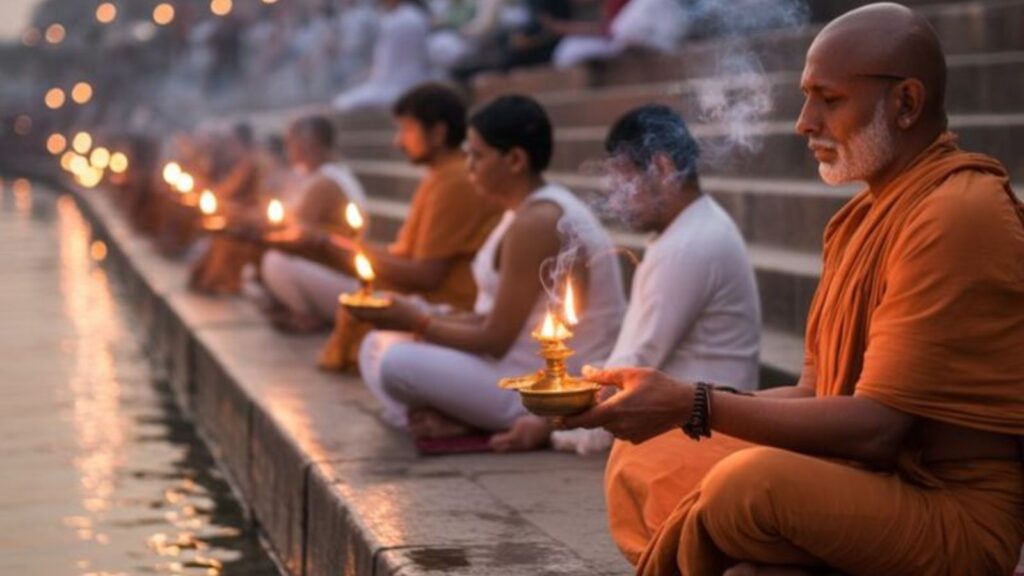
Hospitality Opportunities in Religious Tourism
Religious tourism hospitality has become one of the fastest-growing sectors within the global travel and hospitality industry. Every year, millions of pilgrims, spiritual seekers, and cultural travelers visit sacred destinations for faith, devotion, festivals, and heritage exploration. These travelers require quality accommodation, transportation, food services, event management, and personalized guest experiences, creating enormous career opportunities for hospitality professionals. As spiritual tourism continues to expand across India and worldwide, hospitality graduates are finding exciting employment prospects in hotels, resorts, pilgrimage accommodations, luxury hospitality, travel companies, cruise services, destination management firms, and government tourism projects. Institutions like The GIHM prepare students with industry-focused skills that help them excel in this growing field while building successful careers in hospitality management. Religious Tourism Hospitality Is Transforming Modern Travel The tourism industry has evolved beyond leisure vacations. Today, millions of travelers visit destinations because of religious beliefs, spiritual wellness, meditation retreats, heritage temples, mosques, churches, monasteries, gurudwaras, and sacred festivals. Countries such as India have become major global destinations for religious tourism due to their rich spiritual traditions. Popular pilgrimage circuits continue attracting domestic and international visitors throughout the year, resulting in constant demand for trained hospitality professionals. Hotels, guest houses, heritage properties, restaurants, transport providers, and tourism organizations all require skilled staff who understand guest expectations while delivering exceptional hospitality services. Why Religious Tourism Hospitality Creates Strong Career Growth The steady rise in spiritual travel has generated employment opportunities across multiple hospitality sectors. Hospitality professionals work in: Luxury hotels near pilgrimage destinations Pilgrim accommodation centers Resorts and wellness retreats Heritage hotels Tour operating companies Travel agencies Airport hospitality services Cruise hospitality Event management companies Destination management organizations Government tourism departments Unlike seasonal tourism, many religious destinations receive visitors throughout the year, ensuring consistent business and stable career opportunities. Religious Tourism Hospitality Builds Skills Employers Value Hospitality professionals serving religious travelers require more than technical knowledge. They must develop communication, empathy, cultural understanding, professionalism, and excellent customer service abilities. Some essential skills include: Guest relationship management Hotel operations Food and beverage service Front office management Housekeeping operations Event coordination Conflict resolution Cross-cultural communication Time management Leadership and teamwork These transferable skills make graduates suitable for employment across multiple hospitality industries, both nationally and internationally. Religious Tourism Hospitality Opens Diverse Career Paths Students graduating from hospitality institutes can choose from numerous rewarding career options. Some popular roles include: Front Office Executive Guest Relations Officer Hotel Manager Resort Operations Executive Food and Beverage Supervisor Event Coordinator Travel Consultant Tour Manager Pilgrimage Tour Planner Hospitality Trainer Cruise Hospitality Executive Airport Lounge Manager Customer Experience Manager Tourism Officer Destination Coordinator Many professionals eventually move into senior management positions after gaining industry experience. Religious Tourism Hospitality Supports India’s Growing Tourism Economy India is home to countless world-famous pilgrimage destinations attracting millions of visitors every year. Continuous infrastructure development, better transportation, improved accommodation, and government tourism initiatives have significantly strengthened hospitality employment. Hotels surrounding major pilgrimage destinations frequently recruit trained professionals capable of maintaining international hospitality standards while understanding cultural and religious sensitivities. As visitor expectations continue increasing, employers prefer candidates with professional hospitality education, practical exposure, and customer service expertise. Technology Is Changing Hospitality Careers Modern hospitality increasingly depends on technology to improve guest experiences. Professionals now work with: Hotel management software Digital reservation systems Contactless check-ins Online booking platforms Customer relationship management tools Digital payment systems AI-powered guest support Online reputation management Hospitality education now combines traditional service excellence with modern technology, ensuring graduates remain competitive in today’s evolving tourism industry. Why Professional Hospitality Education Matters Hospitality is a practical profession where industry exposure is just as important as classroom learning. Professional institutes help students develop: Practical hotel operations knowledge Communication confidence Professional etiquette Grooming standards Customer service excellence Leadership abilities Problem-solving skills Internship experience Industry networking Placement readiness These competencies significantly improve employability and prepare graduates for long-term career success. Global Opportunities Beyond Religious Tourism Although pilgrimage tourism offers excellent career prospects, hospitality graduates are never limited to one sector. They can work in: International hotel chains Airlines Luxury resorts Cruise lines Event management companies Corporate hospitality Healthcare hospitality Educational institutions Tourism boards International travel companies The versatility of hospitality education allows professionals to transition between industries while continuing career growth. The Future of Hospitality Careers The future of hospitality remains highly promising as global travel continues recovering and expanding. Religious tourism, cultural tourism, wellness travel, and experiential tourism are expected to witness sustained growth in the coming years. Travelers increasingly seek personalized experiences, comfortable accommodations, authentic local culture, hygienic food, and exceptional customer service. This growing demand creates long-term employment opportunities for trained hospitality graduates. Students who invest in quality hospitality education today position themselves for rewarding careers with excellent salary growth, international exposure, and continuous professional development. At The GIHM, students receive industry-oriented education designed to meet modern hospitality standards. With practical training, experienced faculty, internships, and placement support, aspiring professionals gain the confidence and expertise needed to succeed in India’s expanding hospitality industry and beyond. Conclusion Religious tourism continues to play a significant role in shaping the future of the hospitality industry. The increasing number of spiritual travelers has created a strong demand for skilled professionals capable of delivering exceptional guest experiences across hotels, resorts, travel companies, and tourism organizations. Hospitality education equips students with the technical knowledge, interpersonal skills, and practical experience required to excel in this dynamic sector. For students passionate about service, travel, and people management, hospitality offers a career filled with growth, diversity, and global opportunities. Choosing a reputed institution like The GIHM provides the foundation needed to build a successful future in one of the world’s most resilient and rewarding industries. Frequently Asked Questions What is religious tourism in hospitality? Religious tourism refers to travel undertaken for pilgrimage, spiritual experiences, worship, religious festivals, or visits to sacred destinations, supported by professional hospitality services. Why is religious tourism growing rapidly? Improved transportation, better infrastructure, increasing spiritual awareness, and government tourism initiatives have encouraged more people to travel for religious purposes.