
My blog

The GIHM

Hotel Management Practical Classes
The GIHM

Hotel Management Practical Classes: Skills Students Learn

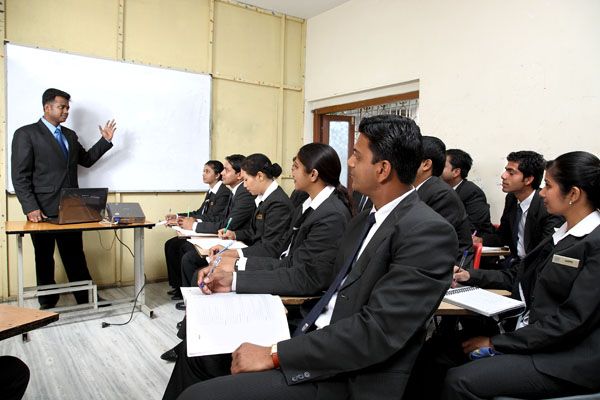
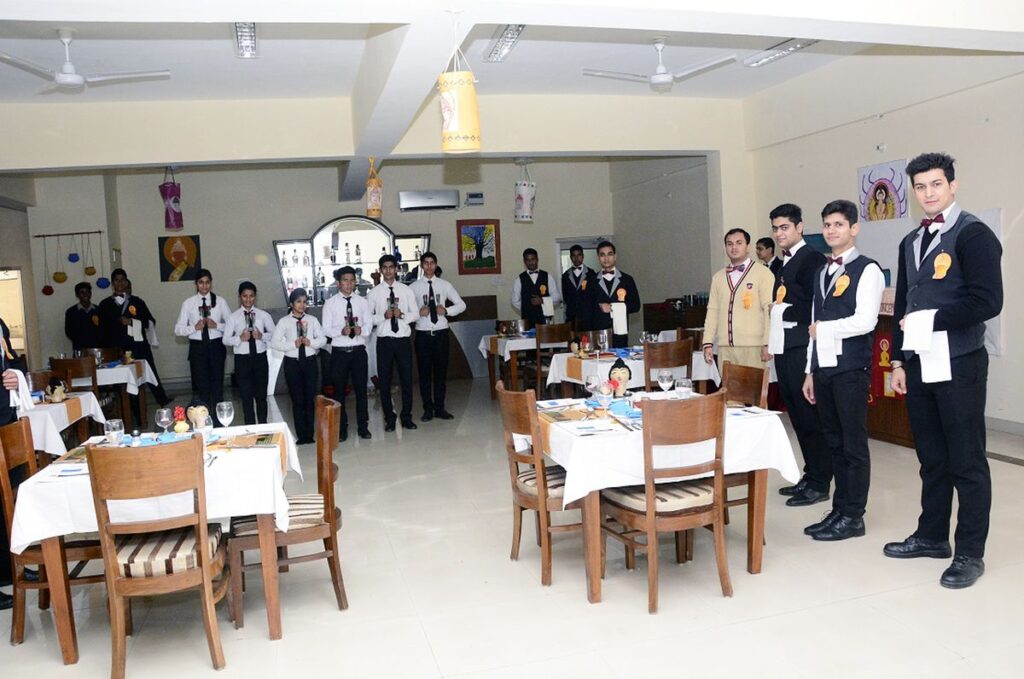
Hotel Management Practical Classes: Skills Students Learn in College Hotel management is not a course that students learn only from textbooks. Hotel Management Practical classes play an important role in helping students understand how hospitality operations work in real professional environments. From preparing food and serving guests to handling Front Office activities and maintaining hotel rooms, students get opportunities to develop practical skills alongside their classroom knowledge. This practical approach can help students become more confident and workplace-ready before starting internships or their first hospitality job. What Are Hotel Management Practical Classes? Hotel management practical classes are hands-on training sessions where students learn how different hotel departments operate. Instead of only studying concepts, students get opportunities to practice tasks related to: Food Production Food & Beverage Service Front Office Housekeeping Communication Hospitality operations Guest handling Professional grooming The exact practical curriculum depends on the college and course. Why Is Practical Training Important? Hospitality is a people-oriented and operational industry. A student may understand the theory of guest service, but professional confidence develops through practice. Practical classes can help students: Develop technical skills Improve communication Understand hotel procedures Build confidence Learn teamwork Handle real-world situations Develop professional discipline Become familiar with hospitality equipment Practical learning can therefore bridge the gap between classroom education and the workplace. Food Production Practical Classes Food Production is one of the most hands-on areas of hotel management education. Students may learn: Basic cooking techniques Kitchen organization Food preparation Knife skills Hygiene practices Food storage Menu preparation Indian cuisine International cuisine Basic bakery and pastry Students also learn how professional kitchens operate as teams. Skills Students Develop Food Production practicals can help students develop: Cooking skills Time management Kitchen discipline Teamwork Creativity Food safety awareness Attention to detail These skills can support careers in hotels, restaurants, resorts, catering companies, and other food-service businesses. Food & Beverage Service Practical Classes Food & Beverage Service training focuses on professional restaurant and service operations. Students may practice: Table setup Serving food Beverage service Restaurant etiquette Guest interaction Order taking Service procedures Banquet service Students learn how to provide professional service while maintaining appropriate hospitality standards. Skills Students Develop Students can improve: Customer service Communication Table service Team coordination Professional etiquette Attention to detail These skills can be valuable for restaurant, hotel, banquet, and event careers. Front Office Practical Classes Front Office is one of the most visible hotel departments because employees interact directly with guests. Practical sessions may cover: Guest reception Reservations Check-in procedures Check-out procedures Guest communication Telephone etiquette Handling guest requests Front Office documentation Students learn how to communicate professionally while managing different guest requirements. Skills Students Develop Front Office practical classes can improve: Communication Confidence Customer service Problem-solving Computer skills Professional etiquette Guest handling These skills are useful for careers in Front Office, Guest Relations, reservations, and hotel administration. Housekeeping Practical Classes Housekeeping is responsible for cleanliness, room preparation, and maintaining hotel standards. Students may learn: Room cleaning Bed making Bathroom cleaning Linen handling Room inspection Cleaning equipment Housekeeping procedures Public-area maintenance Students learn that housekeeping involves much more than simply cleaning rooms. Skills Students Develop Students can develop: Attention to detail Organization Time management Hygiene awareness Teamwork Quality control These skills are important for maintaining guest satisfaction. Communication Skills Practical Training Communication is essential across almost every hotel department. Students may participate in: Group discussions Presentations Role-playing activities Guest interaction exercises Interview preparation Public speaking Professional English sessions These activities can help students become more confident when interacting with guests and colleagues. Guest Handling Skills Hospitality professionals frequently interact with guests from different backgrounds. Practical exercises can teach students how to: Welcome guests Listen carefully Understand requirements Respond professionally Handle complaints Provide information Maintain a positive attitude The goal is not simply to serve guests but to create a professional and comfortable experience. Professional Grooming Professional appearance is an important part of hospitality training. Students may learn about: Personal hygiene Professional dress Body language Workplace etiquette Grooming standards Professional behaviour Developing these habits early can help students feel more prepared for interviews, internships, and employment. Teamwork and Coordination Hotels operate through multiple departments working together. For example, a guest arriving at a hotel may interact with: Reservations → Front Office → Housekeeping → Food & Beverage → Guest Relations Practical training helps students understand how these departments coordinate with each other. Students learn: Team communication Responsibility Cooperation Time management Department coordination Event and Banquet Training Some hotel management programs also provide practical exposure to events and banquet operations. Students may learn about: Table arrangements Buffet setup Banquet service Event coordination Guest management Venue preparation This can be particularly useful for students interested in weddings, conferences, corporate events, and hospitality management. Hotel Management Practical Training at GIHM GIHM’s Bachelor’s in Hotel Management includes practical training in four major hospitality areas: Food Production Food & Beverage Service Front Office Housekeeping Students can explore GIHM’s Bachelor’s in Hotel Management to learn more about its practical training approach. The program also includes six months of industrial training at a 5-star hotel during the sixth semester, giving students exposure to professional hotel operations. What Equipment Do Students Use? Depending on the college, practical training may involve equipment such as: Kitchen Commercial cooking equipment Ovens Refrigeration equipment Knives and utensils Food preparation equipment Front Office Computers Reservation systems Telephone systems Front Desk equipment Housekeeping Cleaning equipment Linen Room amenities Housekeeping tools Food & Beverage Service equipment Crockery Cutlery Glassware Restaurant setup materials The availability of equipment varies by institution. How Practical Classes Prepare Students for Internships Practical training can make the transition into industrial training easier. Before entering a professional hotel environment, students may already have practiced: Basic guest interaction Department procedures Food preparation Restaurant service Room preparation Front Office operations This gives students a foundation that they can further develop during internships. Practical Skills vs Theoretical Knowledge Both are important. Theoretical Learning Practical Learning Hospitality concepts Realistic hotel tasks Management principles Department operations Hotel terminology Guest interaction Service standards Service


Hotel Management After 12th Arts
The GIHM

Hotel Management After 12th Arts: Career Options

Hotel Management for Students After 12th Arts: Career Opportunities Students who complete Class 12 in the Arts stream often explore careers in humanities, communication, teaching, media, law, or social sciences. However, Arts students also have many career options in professional industries. Hotel Management Arts is one such option for students who enjoy meeting people, communication, travel, food, events, and practical work. Hotel management is a service-oriented field that combines hospitality operations, communication, business knowledge, and hands-on training. An Arts background can be useful because many hospitality roles require strong interpersonal skills, confidence, creativity, and the ability to communicate effectively. If you have completed Class 12 Arts and are considering hotel management, understanding the available courses, eligibility, subjects, career opportunities, and skills can help you make a better decision. Can Arts Students Study Hotel Management? Yes, Arts students can pursue hotel management after Class 12, provided they meet the eligibility requirements of the specific course and institution. Hotel management programs may accept students from different academic streams. However, eligibility conditions can vary, so students should check the latest requirements before applying. Depending on the institution, admission requirements may consider: Class 12 qualification Minimum marks Required subjects, if applicable Age requirements Entrance examination requirements Institution-specific criteria Arts students should not assume that their stream limits them to humanities-related careers. Why Choose Hotel Management After Arts? Arts students often develop skills that can be useful in hospitality. These may include: Communication Creativity Presentation Social awareness Writing Observation Interpersonal skills Hotel management can build on these strengths by adding practical knowledge of: Hotel operations Front Office Food & Beverage Food Production Housekeeping Guest relations Hospitality management This combination can be useful for students interested in people-oriented and service-based careers. What Hotel Management Courses Can Arts Students Choose? After Class 12 Arts, students can explore different hospitality programs. Bachelor of Hotel Management A bachelor’s program can provide comprehensive knowledge of hospitality and hotel operations. BHM and Hospitality Programs Depending on the institution, students may find programs such as: Bachelor of Hotel Management Bachelor of Hospitality Management Bachelor of Hotel and Hospitality Administration Other hospitality-related undergraduate degrees Diploma Courses Students can also explore diploma programs in areas such as: Hotel Management Food Production Front Office Food & Beverage Service Hospitality Operations Before selecting a course, compare the duration, curriculum, recognition, practical training, industry exposure, and career opportunities. What Subjects Will Arts Students Study? Hotel management combines theoretical education with practical learning. Students may study: Food Production Food & Beverage Service Front Office Housekeeping Hospitality Management Hotel Accounting Communication Skills Tourism Event Management Food Safety Some subjects may be completely new to Arts students, particularly Food Production and hotel operational training. However, students are taught these skills as part of the hospitality curriculum. Practical Training in Hotel Management Practical training is an important part of hospitality education. Students can learn through hands-on sessions in areas such as: Food Production Students learn food preparation, kitchen operations, hygiene, and professional cooking techniques. Food & Beverage Service Students learn restaurant service, guest interaction, service procedures, and professional etiquette. Front Office Students learn reservations, guest communication, check-in and check-out procedures, and Front Office operations. Housekeeping Students learn room preparation, cleanliness standards, linen management, and housekeeping procedures. GIHM’s Bachelor’s in Hotel Management provides practical training in Food Production, Food & Beverage Service, Front Office, and Housekeeping. Students can explore GIHM’s Bachelor’s in Hotel Management program to learn more about the course structure and practical training. Is Hotel Management Difficult for Arts Students? Hotel management may be different from what Arts students studied in Class 12, but that does not mean it is unsuitable. Arts students may already have strengths in: Communication Writing Presentation Creativity Social interaction They will need to develop additional practical skills related to hospitality operations. These can include: Cooking Food service Front Office procedures Housekeeping Guest handling Professional grooming Students who are willing to learn and practice can adapt to these areas. Advantages Arts Students Bring to Hospitality Strong Communication Hospitality involves constant interaction with guests and colleagues. Creativity Creative thinking can be useful in events, food presentation, guest experiences, and marketing. Interpersonal Skills Understanding and communicating with different types of people is important in hospitality. Presentation Skills Professional presentations and confident communication can help in guest-facing roles. Cultural Awareness Arts education can encourage students to understand people, society, culture, and different perspectives—useful qualities in a diverse hospitality environment. Career Opportunities After Hotel Management Arts students who complete hotel management can explore careers in: Hotels Resorts Restaurants Tourism Catering Events Cruise hospitality Front Office Guest Relations Food & Beverage Food Production Housekeeping Hospitality Sales Business Development The official National Council for Hotel Management and Catering Technology (NCHMCT) identifies career opportunities across hotels, guest relations, sales and marketing, catering, tourism organizations, cruise lines, and related hospitality sectors. Hotel Management Jobs for Arts Students After graduation, students can begin with entry-level positions. Front Office Associate Works with guests, reservations, check-in and check-out procedures, and Front Office operations. Guest Relations Executive Focuses on guest communication, assistance, and customer experience. F&B Associate Works in restaurants, banquets, and other food-service areas. Housekeeping Associate Supports room preparation, cleanliness, and housekeeping operations. Commis Supports professional kitchen operations and food preparation. Event Executive Works on event coordination, guest services, venue preparation, and event operations. Arts students with good communication skills may find guest-facing, events, sales, and customer-service roles particularly attractive. Hotel Management Salary After Arts There is no fixed salary for all hotel management graduates. Starting compensation can depend on: Job role Employer Location Hotel category Qualification Internship experience Communication skills Practical skills Interview performance Freshers usually begin in entry-level roles and can progress as they gain experience. Students should therefore evaluate career growth and learning opportunities rather than selecting a course based only on an expected starting salary. Career Growth in Hospitality A typical career path can look like: Trainee → Associate → Supervisor → Assistant Manager → Manager → Department Head With experience, professionals can move into: Hotel Operations Guest Relations Management Restaurant Management

Hotel Management After 12th Science
The GIHM

Hotel Management After 12th Science: Course Guide

Hotel Management for Students After 12th Science: Course Guide Students from the Science stream often think they need to continue with engineering, medicine, or other science-related courses after Class 12. However, Science students also have several options outside traditional science careers. Hotel Management Science can be an interesting choice for students who enjoy hospitality, communication, practical learning, travel, food, and management. Hotel management is a professional field that combines service, operations, business knowledge, and practical training. A Science background does not prevent students from entering this industry. In fact, skills such as problem-solving, discipline, analytical thinking, and attention to detail can be useful in hospitality. If you have completed Class 12 Science and are considering hotel management, it is important to understand the available courses, eligibility requirements, subjects, practical training, career options, and skills needed before making your decision. Can Science Students Study Hotel Management? Yes, Science students can pursue hotel management after Class 12, provided they meet the eligibility requirements of the particular college or university. Hotel management programs can accept students from different academic streams, although admission criteria vary between institutions. Students should always check: Minimum Class 12 qualification Required subjects, if any Minimum marks Age requirements Entrance examination requirements Institution-specific admission conditions For students who meet the requirements, moving from Science to hospitality is completely possible. Why Choose Hotel Management After Science? A Science background can provide students with several transferable skills. Science students often develop: Analytical thinking Problem-solving Observation skills Discipline Time management Attention to detail Hotel management adds a completely different set of professional skills, including: Customer service Hotel operations Communication Food production Front Office operations Food & Beverage service Housekeeping This combination can help students develop a broad professional skill set. What Hotel Management Courses Can Science Students Choose? After Class 12 Science, students can consider several hospitality-related programs. Bachelor of Hotel Management A bachelor’s degree can provide comprehensive knowledge of hotel operations and hospitality management. BHM or Hospitality Degrees Depending on the institution, students may find programs such as: Bachelor of Hotel Management Bachelor of Hospitality Management Bachelor of Hotel and Hospitality Administration Other hospitality-related undergraduate programs Diploma Courses Students can also consider specialized diploma programs in areas such as: Hotel Management Food Production Front Office Food & Beverage Service Hospitality Operations Before choosing a diploma, compare its recognition, curriculum, practical exposure, duration, and career opportunities. What Subjects Are Studied in Hotel Management? Hotel management combines theoretical knowledge with practical training. Students may study: Food Production Food & Beverage Service Front Office Housekeeping Hospitality Management Hotel Accounting Communication Skills Tourism Event Management Food Safety Science students may initially find subjects such as Food Production and hospitality operations very different from Physics, Chemistry, Mathematics, or Biology. However, the practical nature of the course can make the transition interesting. Practical Training in Hotel Management Practical learning is one of the major components of hospitality education. Students can receive hands-on training in: Food Production Students learn professional kitchen operations, food preparation, hygiene, and cooking techniques. Food & Beverage Service Students learn restaurant service, guest interaction, service procedures, and professional etiquette. Front Office Students learn reservations, guest handling, check-in and check-out procedures, and Front Office operations. Housekeeping Students learn room preparation, cleanliness standards, linen management, and housekeeping procedures. GIHM’s Bachelor’s in Hotel Management provides practical training in Food Production, Food & Beverage Service, Front Office, and Housekeeping. Students can explore GIHM’s Bachelor’s in Hotel Management to understand its course structure and practical training. Is Hotel Management Difficult for Science Students? It may feel different rather than difficult. Science students are accustomed to subjects involving concepts, formulas, experiments, and analytical problem-solving. Hotel management involves more: Practical activities Customer interaction Teamwork Service procedures Communication Professional grooming Operational training Students who are willing to learn new skills can adapt successfully. Your Science background does not determine whether you will succeed in hospitality. Your interest, attitude, communication, practical ability, and willingness to learn are much more important. Advantages Science Students Can Bring to Hospitality Analytical Thinking Hotel operations involve solving problems quickly and efficiently. Attention to Detail Hospitality requires careful attention to guest requirements, hygiene, service, and operational standards. Discipline Professional hospitality environments require employees to follow procedures and maintain service standards. Problem-Solving Guests may have unexpected requests or problems, requiring practical solutions. Time Management Hotels operate according to strict schedules, particularly during busy service periods. Career Options After Hotel Management Science students who complete a hotel management course can explore careers in: Hotels Resorts Restaurants Tourism Catering Events Cruise hospitality Guest Relations Front Office Food Production Food & Beverage Housekeeping Hospitality Sales Business Development The official National Council for Hotel Management and Catering Technology (NCHMCT) identifies career opportunities across hotels, guest relations, sales and marketing, catering, tourism organizations, cruise lines, and other hospitality-related sectors. Hotel Management Jobs for Science Students After graduation, students can begin their careers in entry-level roles. Front Office Associate Works with guests, reservations, check-in and check-out, and Front Office operations. Food & Beverage Associate Works in restaurants, banquets, and food-service operations. Commis An entry-level culinary position supporting professional kitchen operations. Housekeeping Associate Supports room preparation and housekeeping operations. Guest Relations Executive Focuses on guest communication and customer experience. Sales Executive Works on hotel sales, business relationships, and customer acquisition. Science students can also use their analytical and problem-solving abilities in areas involving hotel operations, technology, revenue, and business processes. Hotel Management Salary After Science There is no fixed salary for all hotel management graduates. Starting compensation depends on: Job role Employer Hotel category Location Qualification Internship experience Communication skills Practical knowledge Candidate performance Freshers generally start in entry-level positions and can progress to higher-responsibility roles with experience. Students should therefore avoid selecting a course based solely on a promised salary figure. Career Growth in Hospitality A typical career progression can look like: Trainee → Associate → Supervisor → Assistant Manager → Manager → Department Head With experience, professionals can move into: Hotel Operations Revenue Management Sales & Marketing Restaurant Management Food Production Management Events Human

Hotel Management After 12th Commerce
The GIHM

Hotel Management After 12th Commerce: Career Guide

Hotel Management for Students After 12th Commerce: Career Guide Students from the Commerce stream often assume that their options after Class 12 are limited to accounting, finance, banking, or business-related courses. However, Hotel Management Commerce students can also be a strong combination for those interested in hospitality, business operations, customer service, travel, and entrepreneurship. Hotel management is a practical and career-focused field where students learn how different hospitality departments operate. Commerce students can bring useful knowledge of business, accounting, economics, and management while developing specialized hospitality skills. If you have completed Class 12 with Commerce and are considering hotel management, understanding the eligibility, course structure, career options, and skills required can help you make a confident decision. Can Commerce Students Study Hotel Management? Yes, Commerce students can study hotel management after Class 12, subject to the eligibility requirements of the specific institution and program. Hotel management programs generally accept students from different academic streams. However, eligibility conditions can vary between colleges and universities, so students should always check the current admission requirements before applying. For students interested in hospitality, Commerce can actually provide a useful foundation because hotel businesses involve financial management, purchasing, operations, sales, budgeting, and business administration. Why Hotel Management Can Be a Good Option After Commerce Commerce students already have exposure to concepts related to business and finance. Hotel management can add practical hospitality knowledge to that foundation. You can develop skills in: Hotel operations Business communication Customer service Accounting Food & Beverage Front Office Housekeeping Food Production Marketing Hospitality management This combination can be useful for students who eventually want to work in hotel management or even start their own hospitality business. What Hotel Management Courses Can Commerce Students Choose? After Class 12 Commerce, students can consider different types of hospitality programs. Bachelor of Hotel Management A bachelor’s degree provides comprehensive exposure to hotel operations and hospitality management. Students can learn about both operational and management aspects of the industry. BHM or Related Hospitality Degrees Depending on the institution, students may find programs such as: Bachelor of Hotel Management Bachelor of Hospitality Management Bachelor of Hotel and Hospitality Administration Other hospitality-related bachelor’s programs The course title, duration, eligibility, and curriculum can vary between institutions. Diploma Courses Students may also find diploma programs in areas such as: Hotel Management Food Production Food & Beverage Service Front Office Hospitality Operations However, students should compare the recognition, curriculum, practical training, and career opportunities before selecting a program. What Subjects Will Commerce Students Study? Hotel management combines management education with practical hospitality training. Students may study: Food Production Food & Beverage Service Front Office Housekeeping Hospitality Management Hotel Accounting Communication Skills Tourism Event Management Food Safety Commerce students may find subjects such as accounting and management easier to understand because of their previous academic background. Practical Training in Hotel Management One of the biggest differences between hotel management and many traditional Commerce courses is the amount of practical training. Students can receive hands-on exposure to: Food Production Students learn basic kitchen operations, food preparation, hygiene, and professional cooking techniques. Food & Beverage Service Students learn restaurant and beverage-service procedures and guest interaction. Front Office Students learn about reservations, check-in and check-out procedures, guest communication, and Front Office operations. Housekeeping Students learn about room preparation, cleanliness, linen management, and housekeeping operations. GIHM’s Bachelor’s in Hotel Management provides practical training in Food Production, Food & Beverage Service, Front Office, and Housekeeping. Students can explore GIHM’s Bachelor’s in Hotel Management program to understand its course structure and practical training. Is Hotel Management Difficult for Commerce Students? Hotel management is not necessarily difficult for Commerce students, but it is different from what they may be used to studying. Commerce students may already be familiar with: Accounting Business Studies Economics Management concepts Hotel management introduces additional practical areas. Students may need to develop: Cooking skills Service skills Professional communication Guest handling Hospitality etiquette Practical operational knowledge The key is to remain open to learning both theory and practical skills. Advantages Commerce Students Bring to Hotel Management Commerce students can have several useful strengths. Understanding of Business Hotels are businesses, so knowledge of business operations can be valuable. Accounting Knowledge Hotel operations involve budgets, revenue, costs, purchasing, and financial management. Economics Understanding demand, supply, pricing, and markets can be useful in hospitality. Management Skills Commerce students may already have some exposure to business management concepts. Entrepreneurial Thinking Students interested in starting a restaurant, café, catering company, or hospitality business can benefit from a Commerce background. Career Options After Hotel Management Commerce students who complete hotel management can explore careers in: Hotels Resorts Restaurants Catering Events Tourism Cruise hospitality Guest Relations Front Office Food & Beverage Food Production Housekeeping Hospitality Sales Business Development The official National Council for Hotel Management and Catering Technology (NCHMCT) also highlights hospitality career opportunities in hotels, guest relations, sales and marketing, catering, tourism organizations, cruise lines, and related areas. Hotel Management Jobs for Commerce Students After graduation, students can apply for entry-level positions such as: Front Office Associate Responsible for guest-facing activities, reservations, and Front Office support. F&B Associate Works in restaurants, banquets, and other food-service operations. Commis An entry-level culinary position involving kitchen operations and food preparation. Housekeeping Associate Supports room and public-area operations. Guest Relations Executive Focuses on guest communication and customer experience. Sales Executive Works on hotel sales, business relationships, and customer acquisition. Commerce students may find the sales, finance, administration, and business-development sides of hospitality particularly interesting because of their academic background. Hotel Management Salary After Commerce There is no fixed salary for every hotel management graduate. Starting pay can depend on: Job role Employer City Hotel category Qualification Internship experience Communication skills Practical skills Freshers typically begin with entry-level roles and can increase their earning potential as they gain experience. Salary should therefore not be the only factor when selecting a course. Career Growth in Hotel Management A typical hospitality career can develop along a path such as: Trainee → Associate → Supervisor → Assistant Manager

BHM vs BBA Course Comparison
The GIHM

BHM vs BBA in Hospitality: Which Course Should You Choose?

BHM vs BBA in Hospitality: Which Course Should You Choose? Choosing the right undergraduate course after Class 12 can have a major impact on your career direction. BHM vs BBA is an important comparison for students who are interested in hospitality, business, management, and customer-facing careers. Both courses can lead to promising professional opportunities, but they have different academic and practical focuses. BHM, or Bachelor of Hotel Management, is primarily designed for students who want to build careers in hotels, resorts, restaurants, events, tourism, and other hospitality businesses. BBA, or Bachelor of Business Administration, provides broader business and management knowledge and can be applied across multiple industries. If you are interested specifically in hospitality, understanding the differences between these two courses can help you make a more informed decision. What Is BHM? BHM stands for Bachelor of Hotel Management. It is an undergraduate program focused on hospitality and hotel operations. Depending on the institute, BHM students may study: Front Office Food Production Food & Beverage Service Housekeeping Hospitality Management Hotel Accounting Communication Tourism Event Management Food Safety The course generally combines classroom education with practical training. Students may spend considerable time developing operational skills in training kitchens, restaurants, Front Office laboratories, and other practical environments. What Is BBA? BBA stands for Bachelor of Business Administration. It is a broader business-focused undergraduate degree. Common areas of study can include: Business Management Marketing Finance Human Resources Accounting Economics Entrepreneurship Business Communication Operations Management The exact syllabus depends on the university and specialization. BBA can therefore be suitable for students who want to understand business management without limiting themselves to the hospitality industry. BHM vs BBA: Quick Comparison Factor BHM BBA Full Form Bachelor of Hotel Management Bachelor of Business Administration Main Focus Hospitality and hotel operations Business and management Industry Mainly hospitality Multiple industries Practical Training Usually extensive Depends on institution Food Production Included in many programs Generally not included Front Office Included Generally not included Marketing May be included Major area Finance Hospitality-focused Broader business focus Career Direction Hotels, resorts, restaurants, events Corporate, business, sales, HR, marketing Best For Hospitality-focused students Students seeking broader business careers BHM vs BBA: Difference in Course Subjects One of the biggest differences is the curriculum. BHM Subjects BHM students may study: Food Production Food & Beverage Service Front Office Operations Housekeeping Hospitality Management Hotel Accounting Tourism Event Management Communication BBA Subjects BBA students may study: Principles of Management Marketing Financial Management Human Resource Management Business Economics Accounting Entrepreneurship Business Communication If you enjoy hotel operations and practical hospitality, BHM may be the better fit. If you prefer business, management, marketing, and corporate subjects, BBA may suit you better. Which Course Has More Practical Training? BHM generally has a stronger hands-on component because students need to understand how hotel departments operate. Practical learning may include: Cooking Restaurant service Front Office procedures Housekeeping Guest handling Hotel operations GIHM’s Bachelor’s in Hotel Management includes practical training in Food Production, Food & Beverage Service, Front Office, and Housekeeping. Students can explore GIHM’s Bachelor’s in Hotel Management to learn more about its practical training structure. BBA programs can also include projects, presentations, internships, and case studies, but the amount of hands-on training depends on the college. Does BHM Include Industrial Training? Many hospitality programs place strong emphasis on industry exposure. Industrial training gives students an opportunity to experience professional hospitality operations. Students may learn about: Guest interaction Hotel procedures Department coordination Professional communication Service standards Workplace discipline GIHM’s Bachelor’s in Hotel Management includes six months of industrial training at a 5-star hotel during the sixth semester. This can be useful for students who want to understand the hospitality workplace before graduation. What Careers Can You Pursue After BHM? BHM graduates can explore opportunities in: Hotels Front Office Food & Beverage Food Production Housekeeping Guest Relations Hotel Operations Resorts Resorts require hospitality professionals across guest services, food operations, housekeeping, events, and other departments. Restaurants Graduates can work in restaurant operations, food service, guest relations, and management. Events BHM graduates can explore careers in: Banquets Weddings Conferences Corporate events Event hospitality Tourism Hospitality graduates can also explore tourism-related opportunities. Cruise Hospitality International cruise companies hire hospitality professionals in areas such as food service, culinary operations, guest services, and housekeeping. The official National Council for Hotel Management and Catering Technology (NCHMCT) lists hospitality career opportunities across hotels, guest relations, sales and marketing, catering, tourism organizations, cruise lines, and other related sectors. What Careers Can You Pursue After BBA? BBA can provide a broader career direction. Graduates can explore: Marketing Sales Human Resources Business Development Operations Administration Finance Customer Relations Entrepreneurship Some students also pursue an MBA after BBA to specialize in a particular business area. BHM vs BBA: Which Has Better Career Scope? This depends on your definition of career scope. BHM BHM offers specialized career scope in hospitality. You can build a career in: Hotels Resorts Restaurants Events Tourism Catering Cruise hospitality BBA BBA offers broader career scope across industries. You can explore: Banking Marketing Retail Sales Finance HR Business development Technology companies Startups Therefore: BHM = specialized hospitality career BBA = broader business career Which Course Is Better for Students Who Love Travel? BHM may be a better fit for students who are interested in hospitality, tourism, resorts, and international hotel careers. Hospitality businesses operate in many destinations around the world. However, students should remember that not every hospitality job involves frequent travel. BBA graduates can also enter travel-related businesses through sales, business development, tourism, or management roles. Which Course Is Better for Students Who Enjoy Cooking? If cooking is one of your main interests, BHM is the obvious choice between the two. BHM programs can provide practical exposure to: Food preparation Kitchen operations Food safety Menu planning Bakery Pastry Indian cuisine International cuisine BBA generally does not provide this type of culinary training. Which Course Is Better for Business-Minded Students? BBA may be more suitable for students who are particularly interested in: Marketing Finance Entrepreneurship Business strategy Human resources

Hotel Management vs BBA Career Comparison
The GIHM

Hotel Management vs BBA: Which Career Path Is Better?

Hotel Management vs BBA: Which Career Path Is Better? Choosing a course after Class 12 can be confusing, especially when two programs seem to offer strong career opportunities. Hotel Management vs BBA is a common comparison for students interested in business, management, customer service, and professional careers. Both courses can lead to rewarding careers, but they are designed for different interests. Hotel management focuses on hospitality operations, guest services, food production, Front Office, Housekeeping, Food & Beverage, and practical industry training. BBA, or Bachelor of Business Administration, generally focuses more broadly on business and management concepts such as marketing, finance, human resources, entrepreneurship, and business operations. The better option depends on your interests, preferred learning style, career goals, and the type of work environment you want. What Is Hotel Management? Hotel management is a professional field focused on managing hospitality businesses and delivering quality guest experiences. Students can learn about: Front Office Operations Food Production Food & Beverage Service Housekeeping Hospitality Management Communication Customer Service Hotel Operations Tourism Event Management Hotel management programs usually combine theoretical learning with practical training. For example, students may practice hotel operations in training kitchens, restaurants, Front Office laboratories, and housekeeping facilities before gaining industry exposure. What Is BBA? BBA stands for Bachelor of Business Administration. It is a broader business-oriented undergraduate degree that can introduce students to areas such as: Business Management Marketing Finance Human Resources Accounting Business Communication Entrepreneurship Operations Economics The exact subjects depend on the university and specialization. BBA can be suitable for students who want a broader understanding of business and management rather than specializing in hospitality. Hotel Management vs BBA: Quick Comparison Factor Hotel Management BBA Main Focus Hospitality & hotel operations Business & management Learning Style Theory + practical training Primarily business/theory with applied projects Major Areas Front Office, F&B, Food Production, Housekeeping Marketing, Finance, HR, Operations Industry Exposure Often includes internships/industrial training Depends on college/program Work Environment Hotels, resorts, restaurants, events Corporate, business, startups, sales, finance, HR Customer Interaction Usually high Depends on job Culinary Training May be included Generally not included Career Specialization Hospitality-focused Broader business-focused Best For Students interested in hospitality Students interested in business Hotel Management vs BBA: Which Has Better Subjects? There is no universally better syllabus. It depends on what you want to learn. Hotel Management Subjects Students may study: Food Production Food & Beverage Service Front Office Housekeeping Hospitality Management Hotel Accounting Communication Tourism Event Management BBA Subjects Students may study: Principles of Management Marketing Financial Management Human Resource Management Business Economics Accounting Entrepreneurship Business Communication If you enjoy hands-on hospitality work, hotel management may be more interesting. If you prefer business concepts and management, BBA may be a better fit. Which Course Has More Practical Training? Hotel management is generally highly practical because students need to learn how hospitality departments actually operate. Practical sessions can include: Cooking Restaurant service Front Office procedures Housekeeping Guest interaction GIHM’s Bachelor’s in Hotel Management, for example, provides practical training in Food Production, Food & Beverage Service, Front Office, and Housekeeping. Students can explore GIHM’s Bachelor’s in Hotel Management program to learn more about its course and practical training structure. BBA programs can also include projects, presentations, internships, and other forms of practical learning, but the extent depends heavily on the college. Which Course Offers More Industry Exposure? Hotel management programs often emphasize direct hospitality industry exposure. Industrial training can allow students to experience: Hotel operations Guest services Restaurant operations Housekeeping Front Office Professional workplace procedures GIHM’s Bachelor’s in Hotel Management includes six months of industrial training at a 5-star hotel during the sixth semester. For a student specifically interested in hospitality, this type of industry exposure can be extremely valuable. BBA students can also gain industry experience through internships, but the type of exposure depends on the program and college. Hotel Management Career Options Hotel management graduates can explore careers in: Hotels Resorts Restaurants Cruise hospitality Catering Events Tourism Guest Relations Front Office Food Production Food & Beverage Housekeeping Hospitality Sales The official National Council for Hotel Management and Catering Technology (NCHMCT) also identifies career opportunities across hotels, guest relations, sales and marketing, catering, tourism organizations, cruise lines, and other hospitality-related areas. BBA Career Options BBA graduates can explore a wider range of business-related roles. Potential areas include: Marketing Sales Human Resources Business Development Finance Operations Customer Relations Administration Entrepreneurship Some graduates also pursue an MBA or another postgraduate qualification to specialize further. Hotel Management vs BBA: Which Has More Career Options? This depends on what you mean by “more.” BBA offers broader business career options, because the degree is not tied to one industry. Hotel management offers more specialized hospitality opportunities, allowing students to develop skills specifically for hotels, resorts, restaurants, events, tourism, and related sectors. So: Want broad business opportunities? → BBA Want a hospitality-focused career? → Hotel Management Which Course Is Better for Students Who Love Travel? Hotel management may be particularly attractive to students who enjoy travel and hospitality environments. The industry includes: Hotels Resorts Cruise ships Tourism Destination hospitality International hospitality brands However, travel is not guaranteed in every hospitality job. BBA can also lead to careers involving travel, particularly in sales, consulting, business development, tourism, or multinational companies, but travel depends on the specific role. Which Course Is Better for Students Who Enjoy Cooking? Hotel management is clearly more suitable for students interested in culinary careers. Food Production training can introduce students to: Cooking techniques Kitchen operations Food safety Menu planning Indian cuisine International cuisine Bakery and pastry BBA generally does not provide this type of practical culinary education. Which Course Is Better for Students Who Like Business? BBA may be a natural choice for students who are primarily interested in: Marketing Finance Business strategy Entrepreneurship Human resources Corporate management However, hotel management also contains management subjects and can lead to senior business and operational positions within the hospitality industry. Hotel Management vs BBA: Salary Comparison Salary should not be the only factor when selecting a degree.

Hotel Management Salary in India and Career Growth
The GIHM

Hotel Management Salary in India: Career Growth

Hotel Management Salary in India: Entry-Level Pay and Career Growth Choosing a career in hospitality involves more than understanding the course and job opportunities. Students also want to know about Hotel Management Salary and how their income can grow after graduation. Hotel management graduates can work in Front Office, Food & Beverage, Food Production, Housekeeping, Guest Relations, events, resorts, restaurants, tourism, and other hospitality sectors. Salaries vary considerably depending on the job role, employer, location, experience, skills, and type of property. For freshers, the first salary is usually only the starting point. As professionals gain experience, develop specialized skills, and take on supervisory or managerial responsibilities, their earning potential can increase. What Is the Average Hotel Management Salary in India? There is no single salary applicable to every hotel management graduate. Entry-level compensation can vary based on: Job role Hotel category City Employer Educational qualification Internship experience Communication skills Technical skills Interview performance Salary websites also show considerable variation between hospitality roles. For example, Indeed’s April 2026 data lists an average Hotel Manager salary of ₹25,427 per month in India, based on 118 reported salaries. This figure represents an experienced job title rather than the typical starting salary of a fresh graduate, so students should not assume that a fresher will immediately earn this amount. Hotel Management Salary for Freshers Freshers usually begin with entry-level positions rather than managerial roles. Common starting positions include: Front Office Associate Food & Beverage Associate Commis Kitchen Trainee Housekeeping Associate Guest Relations Associate Banquet Associate Hospitality Trainee The starting salary can differ significantly between employers. A graduate joining a luxury hotel in a major city may have a different compensation package from someone joining a smaller property in another city. Therefore, it is better to think of fresher salary as a range influenced by several factors, rather than one fixed national number. Salary by Hotel Management Department Different departments can offer different career and salary paths. Front Office Freshers may begin as: Front Office Associate Guest Service Associate Reception Associate Reservation Associate The role typically involves guest communication, reservations, check-in and check-out support, and coordination with other departments. Students with strong communication and interpersonal skills may find this department suitable. Food & Beverage Entry-level roles can include: F&B Associate Restaurant Associate Banquet Associate Service Trainee Experience can eventually lead toward supervisory and restaurant-management positions. Food Production Students interested in culinary careers can begin as: Commis Kitchen Trainee Culinary Associate Bakery Trainee Culinary professionals can develop specialized skills in areas such as bakery, pastry, Indian cuisine, international cuisine, or specialized kitchen operations. Housekeeping Freshers may start as: Housekeeping Associate Room Attendant Public Area Associate Housekeeping Trainee With experience, professionals can progress toward supervisory and managerial positions. Guest Relations Guest-facing roles can include: Guest Relations Associate Guest Service Executive Customer Experience roles Communication, patience, problem-solving, and professional behaviour are particularly important. Salary Growth With Experience One of the biggest advantages of a hospitality career is that your earning potential can change as you gain experience. A simplified career path can look like: Trainee → Associate → Senior Associate → Supervisor → Assistant Manager → Manager → Department Head The actual timeline varies from person to person. Some professionals progress faster because of strong performance, leadership skills, specialized expertise, or opportunities within larger hotel groups. Indeed’s January 2026 salary data lists an average Assistant Hotel Manager salary of ₹19,751 per month in India, while its April 2026 data lists an average Hotel Manager salary of ₹25,427 per month. These figures are based on relatively small samples and should be treated as indicative rather than guaranteed pay levels. Does Hotel Location Affect Salary? Yes. Salary can vary between cities because of differences in: Cost of living Hotel demand Tourism Business activity Number of luxury properties Local hospitality market For example, Indeed’s current Hotel Manager salary data shows New Delhi among the higher-paying cities listed, with an average of ₹43,051 per month based on two reported salaries. Because the sample is very small, students should treat this as an indicator rather than a typical salary for all hotel managers in Delhi. Does Hotel Category Affect Salary? It can. Luxury and premium hotels may have different salary structures from budget or independent properties. Large hotel groups may also provide: Structured career paths Training programs Employee benefits Internal promotions Opportunities to transfer between properties However, salary should not be the only factor when choosing your first employer. Learning opportunities and career development can be equally important. Does Qualification Affect Hotel Management Salary? Education can influence the types of opportunities available to students. A bachelor’s-level hotel management program can provide broader academic and practical preparation than a short-term course. However, qualifications alone do not determine salary. Employers may also consider: Practical experience Communication Technical skills Internship experience Professional behaviour Interview performance Department knowledge This is why students should focus on building skills throughout their course. Why Internship Experience Matters An internship or industrial training experience can help students understand professional hotel operations before graduation. Students can develop: Guest-handling skills Communication Teamwork Workplace discipline Department knowledge Time management Professional confidence GIHM’s Bachelor’s in Hotel Management includes six months of industrial training at a 5-star hotel during the sixth semester. Students can explore GIHM’s Bachelor’s in Hotel Management to understand its practical and industrial training structure. Practical Skills Can Improve Career Opportunities Hotel management is not simply a theory-based course. Students should develop practical knowledge in: Food Production Food & Beverage Service Front Office Housekeeping GIHM’s Bachelor’s program provides practical and theoretical learning across these four major hotel departments. Practical knowledge can help graduates feel more confident when they enter the workplace. Communication Skills and Salary Growth Communication is one of the most important skills in hospitality. Professionals interact with guests, colleagues, managers, suppliers, and business clients. Students should work on: English communication Professional speaking Listening Presentation Telephone etiquette Guest interaction Interview communication Strong communication can be especially valuable for guest-facing and supervisory positions. Does Professional Grooming Matter? Yes. Hotels often operate according

Hotel Management Jobs After Graduation
The GIHM

Hotel Management Jobs After Graduation: Career Guide

Hotel Management Jobs After Graduation: Career Options for Freshers Completing a hotel management course can open the door to several career paths across the hospitality industry. Hotel Management Jobs are not limited to working at a hotel reception or in a kitchen. Graduates can explore opportunities in Front Office, Food Production, Food & Beverage, Housekeeping, events, resorts, tourism, cruise hospitality, catering, and other service-based businesses. For freshers, the first job is often an opportunity to understand professional hospitality operations and develop practical experience. Your first role may not be a management position, but it can provide valuable experience that helps you progress toward supervisory and managerial responsibilities. Students considering hospitality education should therefore look at both the course and the career opportunities that can follow it. What Can You Do After Hotel Management Graduation? A hotel management graduate can explore careers in areas such as: Front Office Food Production Food & Beverage Service Housekeeping Guest Relations Hotel Operations Events and Banquets Restaurants Resorts Tourism Catering Cruise hospitality Sales and marketing The official National Council for Hotel Management and Catering Technology (NCHMCT) also identifies career opportunities in areas including hotels, guest relations, sales and marketing, catering, tourism organizations, cruise lines, and other hospitality-related sectors. 1. Front Office Jobs Front Office is one of the most visible areas of a hotel. Fresh graduates can explore entry-level roles such as: Front Office Associate Guest Service Associate Receptionist Guest Relations Executive Reservation Associate What Do Front Office Professionals Do? Their responsibilities can include: Welcoming guests Handling reservations Supporting check-in and check-out Answering guest queries Managing telephone communication Coordinating with other departments This department can suit students who enjoy communication and interacting with people. 2. Food & Beverage Jobs Food & Beverage is another major employment area. Graduates can explore roles such as: F&B Associate Restaurant Associate Banquet Associate Service Executive Restaurant Supervisor trainee Employees may be involved in restaurant service, banquet operations, guest interaction, and coordination with kitchen teams. Strong communication, service knowledge, and teamwork are particularly useful in this area. 3. Food Production and Culinary Careers Students who enjoy cooking can consider culinary careers. Entry-level positions may include: Commis Kitchen Associate Culinary Trainee Bakery Trainee Food Production Associate Students can eventually specialize in areas such as: Indian cuisine Continental cuisine Bakery Pastry Garde manger Specialized culinary operations Culinary careers often require patience, discipline, creativity, and strong practical skills. 4. Housekeeping Jobs Housekeeping is essential for hotel operations. Freshers may begin as: Housekeeping Associate Room Attendant Public Area Associate Housekeeping Trainee Responsibilities can include: Guest room preparation Cleaning Linen handling Public-area maintenance Room inspection support Guest requests Students who are organized and detail-oriented may enjoy this department. 5. Guest Relations Careers Guest Relations focuses heavily on the guest experience. Graduates may work in positions involving: Guest assistance Complaint handling Special requests Customer communication Guest satisfaction Excellent communication and interpersonal skills can be particularly valuable. 6. Hotel Operations Some graduates eventually move toward broader hotel operations. Operations professionals need to understand how different departments work together. Experience across departments can help students understand: Guest services Staff coordination Service quality Daily hotel operations Department communication Students interested in management may eventually work toward supervisory and managerial roles. 7. Event and Banquet Jobs Hotels host many types of events. Graduates can explore opportunities related to: Weddings Corporate events Conferences Banquets Social functions Entry-level responsibilities can include guest coordination, event setup, service operations, and communication with different teams. Students who enjoy fast-paced environments and organizing activities may find events interesting. 8. Resort Jobs Hospitality graduates can also explore careers in resorts. Resort operations may include: Guest services Food & Beverage Housekeeping Recreation Events Front Office Working in a resort can provide exposure to a different style of hospitality compared with a city hotel. 9. Restaurant Careers A hotel management graduate doesn’t have to work inside a hotel. Restaurants and food-service businesses also require trained hospitality professionals. Possible areas include: Restaurant operations Service management Food production Guest relations Restaurant administration With experience, professionals can move into supervisory and management positions. 10. Cruise Hospitality Jobs Cruise companies employ professionals across different hospitality departments. Potential areas include: Food & Beverage Culinary Guest services Housekeeping Restaurant operations Cruise careers can offer international exposure, but students should research employer requirements, contracts, working schedules, and relevant documentation before applying. 11. Tourism Careers Hospitality and tourism are closely connected. Graduates may explore roles with: Tourism companies Travel businesses Destination services Hospitality organizations Guest experience companies Students interested in travel and customer service may find tourism-related roles appealing. 12. Catering Careers Catering companies employ professionals for: Weddings Corporate events Parties Institutional catering Large-scale functions Hotel management graduates can use their service, food production, and event knowledge in this sector. 13. Sales and Marketing in Hospitality Hospitality businesses also need professionals who can attract customers and build business relationships. Graduates may explore: Hotel sales Business development Marketing Corporate sales Event sales Customer relationship roles Communication and business skills can be particularly valuable here. What Do Freshers Usually Start With? Fresh graduates generally begin with entry-level responsibilities. The exact job title depends on: Employer Department Qualification Internship experience Practical skills Recruitment requirements Students should focus on gaining quality experience rather than expecting a management title immediately after graduation. The hospitality industry often provides opportunities for progression as professionals gain experience and demonstrate their skills. How Much Can Hotel Management Freshers Earn? There is no single salary figure for all hotel management graduates. Starting compensation can vary based on: Employer City Hotel category Department Job role Qualification Internship experience Candidate skills Students should research current vacancies and employer-specific salary information rather than relying on a single average figure. Salary can also change significantly as professionals gain experience. What Skills Do Employers Look For? Academic qualifications are only one part of employability. Freshers should develop: Communication Be comfortable communicating with guests and colleagues. Customer Service Understand how to respond professionally to guest needs. Teamwork Hotels rely on multiple departments working together. Time Management Hospitality can involve busy service periods

Hotel Management Placement and Career Preparation
The GIHM

Hotel Management Placement: How Colleges Help

Hotel Management Placement: How Colleges Prepare Students for Jobs Choosing a hotel management college is not only about completing a degree. Students also want to know how the institute will help them move from the classroom into the professional hospitality industry. This is where Hotel Management Placement support can become important. A strong hospitality education should help students develop practical skills, professional communication, industry knowledge, and confidence before they begin applying for jobs. Hotel management colleges may support students through practical training, industrial exposure, internships, resume development, mock interviews, grooming sessions, industry interactions, and recruitment opportunities. However, students should understand the difference between placement assistance and a guaranteed job. No college can replace the student’s own effort, skills, performance, and interview preparation. What Is Hotel Management Placement? Hotel management placement refers to the support provided by an institute to help eligible students explore and apply for employment opportunities after or during their course. Placement support may include: Campus recruitment Hotel recruitment drives Job fairs Industry interactions Resume preparation Mock interviews Communication training Grooming sessions Career counselling Internship assistance The exact services vary between colleges. Students should ask a college what its placement process actually includes before taking admission. Why Is Placement Support Important? Hotel management is a practical and service-oriented industry. Employers generally look for candidates who can demonstrate more than academic knowledge. Students may need: Communication skills Customer service skills Technical knowledge Professional grooming Teamwork Time management Problem-solving Workplace discipline A good college can help students develop these qualities during their course. How Do Hotel Management Colleges Prepare Students for Jobs? There isn’t one single method. Effective career preparation usually happens through a combination of classroom education, practical training, industry exposure, internships, and placement preparation. 1. Practical Hotel Training Practical education helps students understand how hotel departments operate. Students may receive training in: Food Production Food & Beverage Service Front Office Housekeeping Practical sessions allow students to apply concepts in training environments before entering the professional workplace. GIHM’s Bachelor’s in Hotel Management provides practical training in Food Production, Food & Beverage Service, Front Office, and Housekeeping. Students can explore GIHM’s Bachelor’s in Hotel Management to learn more about its practical training structure. 2. Industrial Training Industrial training can help students understand real hotel operations. Students can experience: Professional schedules Guest interaction Department coordination Workplace procedures Service standards Teamwork GIHM’s Bachelor’s program includes six months of industrial training at a 5-star hotel during the sixth semester. This gives students an opportunity to gain experience in a professional hospitality environment before completing their course. 3. Internship Experience Internships can help students understand what it is like to work in the hospitality industry. Depending on the opportunity, students may gain exposure to: Front Office Food & Beverage Food Production Housekeeping Banquets Guest Relations Internship experience can also help students identify the department they would like to pursue after graduation. 4. Communication Skills Training Communication is essential in hospitality. Hotel employees regularly interact with: Guests Managers Colleagues Suppliers Business clients Therefore, colleges may provide training in: Spoken English Professional communication Presentation skills Telephone etiquette Guest interaction Interview communication Students who communicate confidently can often handle guest-facing responsibilities more effectively. 5. Grooming and Personality Development Hospitality is a customer-facing industry, making professional presentation important. Colleges may help students develop: Professional appearance Personal hygiene Body language Workplace etiquette Confidence Professional behaviour These skills can also be useful during interviews. 6. Resume Preparation A resume is often a student’s first introduction to a potential employer. Colleges may help students prepare resumes that highlight: Education Practical skills Internships Industrial training Certifications Workshops Achievements Students should keep their resumes simple, accurate, and relevant to the position they are applying for. 7. Mock Interviews Interview practice can help students become more comfortable answering questions. Common areas include: Self-introduction Educational background Internship experience Strengths and weaknesses Hospitality knowledge Career goals Guest-service situations Mock interviews allow students to identify weaknesses before facing actual recruiters. 8. Industry Interaction Industry interaction can introduce students to professional hospitality expectations. Colleges may organize: Guest lectures Hotel visits Industry workshops Hospitality seminars Career sessions Recruitment events Students can use these opportunities to learn directly from hospitality professionals. 9. Campus Recruitment Some hotel management institutes organize recruitment activities where hospitality companies interact with graduating students. Depending on the college and recruitment cycle, employers may recruit for roles in: Front Office Food & Beverage Food Production Housekeeping Guest Relations Sales Operations The availability of specific employers and positions changes from year to year. Students should therefore ask colleges for recent and verifiable placement information rather than relying on general promotional claims. 10. Career Counselling Not every student wants the same career. One student may want to become a chef, while another may be interested in Front Office or hotel operations. Career counselling can help students understand different options based on their: Interests Skills Academic performance Practical experience Career goals What Should Students Ask About Hotel Management Placement? Before admission, don’t simply ask: “Do you provide placement?” Ask more detailed questions. Ask About Recruiters Find out: Which types of hospitality companies recruit? Are hotels, resorts, restaurants, or other employers included? How frequently are recruitment drives conducted? Ask About Job Roles Understand what positions are commonly offered. Ask About Eligibility Some recruitment opportunities may have specific requirements. Ask About Training Find out whether the college provides interview and resume preparation. Ask About Recent Results Ask for recent placement information and understand how it is calculated. Placement Assistance vs Guaranteed Placement This distinction is extremely important. Placement assistance means a college may help students access opportunities, prepare for interviews, or connect with employers. Guaranteed placement is a much stronger claim and should be evaluated carefully. Students should ask: What exactly is guaranteed? To whom does it apply? What are the conditions? Is the offer for every student? What role and salary are involved? Never select a college solely because of a placement percentage advertised online. How NCHMCT Describes Hospitality Career Opportunities The official National Council for Hotel Management and Catering

Hotel Management Internship Students in Hotel
The GIHM

Hotel Management Internship: Gain Industry Experience

Hotel Management Internship: How Students Can Gain Industry Experience A Hotel Management Internship can be one of the most valuable parts of a hospitality student’s education. Classroom lessons introduce students to hotel operations, but an internship allows them to experience how those concepts work in a professional environment. During an internship, students may work alongside experienced hospitality professionals, interact with guests, follow workplace procedures, and understand the daily responsibilities of different hotel departments. For students planning a career in hotels, resorts, restaurants, events, or tourism, industry exposure can help build practical skills and a better understanding of the hospitality profession. What Is a Hotel Management Internship? A hotel management internship is a period of practical industry training where students gain experience in a real hospitality workplace. Depending on the course and hotel, students may receive exposure to departments such as: Front Office Food & Beverage Service Food Production Housekeeping Guest Relations Banquets Events Kitchen Operations The exact responsibilities depend on the hotel, training program, and student’s course. An internship is different from simply attending practical classes. In college, students practice in a controlled learning environment. During industry training, they experience professional standards, real guests, workplace schedules, and department coordination. Why Is an Internship Important for Hotel Management Students? Hospitality is a people-oriented and practical industry. Students need to understand how to: Communicate with guests Work as part of a team Follow hotel procedures Manage time Maintain professional standards Handle workplace responsibilities Respond to guest requirements Coordinate with different departments An internship gives students an opportunity to develop these skills in a real workplace. Hotel Management Internship vs College Practical Training Both are important, but they provide different experiences. College Practical Training Students learn and practice skills under faculty supervision. For example, they may practice: Table setting Food preparation Guest check-in Room cleaning Restaurant service Industry Internship Students experience these activities within an operating hospitality business. They may have to: Follow a professional schedule Work with employees Interact with actual guests Follow departmental procedures Meet service standards Respond to workplace situations The two forms of training complement each other. Which Hotel Departments Can Students Experience? The department you work in can influence what you learn. Front Office Students can learn about: Reservations Guest registration Check-in and check-out Telephone handling Guest communication Basic Front Office procedures Front Office can be suitable for students who enjoy communication and guest interaction. Food & Beverage Service Students may gain experience in: Restaurant service Table setup Order taking Guest service Banquet operations Restaurant procedures Food Production Students interested in culinary careers can gain exposure to: Food preparation Kitchen organization Mise en place Hygiene Cooking procedures Kitchen safety Housekeeping Students may learn about: Guest room preparation Cleaning standards Linen management Public areas Housekeeping procedures Room inspection Banquets and Events Some hotels may provide exposure to: Weddings Conferences Corporate events Banquet service Event setup Guest coordination How Long Is a Hotel Management Internship? The duration depends on the course and institution. Some programs may include shorter internships, while others have longer industrial training components. For example, GIHM’s Bachelor’s in Hotel Management includes six months of industrial training at a 5-star hotel during the sixth semester. Students interested in this program can explore GIHM’s Bachelor’s in Hotel Management to understand its course and training structure. How Students Can Find Hotel Internship Opportunities Students can use several approaches. College Placement or Training Department Start by asking your college about available hotel training opportunities. Many institutes maintain relationships with hotels and hospitality organizations. Ask: Which hotels accept trainees? When do internships begin? How long is the training? Which departments are available? What documents are required? Contact Hotels Directly Students can also research hotels in their preferred location and check whether they offer internship or training opportunities. When contacting a hotel, prepare: Updated resume College ID Course details Training requirement Preferred training period Contact information Industry Events Hospitality events, career fairs, workshops, and industry interactions can help students meet professionals and learn about potential opportunities. Professional Networking Students can also build professional connections with hospitality professionals through appropriate professional platforms and industry events. How to Prepare for a Hotel Internship Preparation can make the internship more productive. Improve Communication Skills Practice speaking clearly and professionally. Students should be comfortable with: Guest greetings Telephone conversations Professional introductions Basic workplace communication Learn Basic Hotel Terminology Understand common terms used in your department. For example, Front Office students should understand terms related to reservations, room status, check-in, and check-out. Work on Grooming Hospitality professionals often work in guest-facing environments. Pay attention to: Clean uniform Personal hygiene Professional appearance Appropriate footwear Professional body language Prepare Your Resume Your resume should clearly mention: Education Course Practical skills Certifications Workshops Relevant achievements Contact details Keep it simple and professional. What Should Students Expect During an Internship? A hotel internship may not feel like a traditional classroom. Students should be prepared for: Fixed work schedules Standing for extended periods Busy service periods Repetitive tasks Teamwork Guest interaction Departmental responsibilities Professional discipline Hospitality can be demanding, but these experiences can help students understand the realities of the industry. What Skills Can Students Develop? A good internship can help students develop both technical and soft skills. Technical Skills Depending on the department, students can develop skills related to: Food preparation Restaurant service Front Office procedures Housekeeping operations Guest handling Banquet operations Soft Skills Students can also develop: Communication Teamwork Time management Problem-solving Adaptability Professionalism Confidence These skills can be valuable when applying for future hospitality positions. Why Guest Interaction Matters One of the biggest differences between college training and industry experience is interacting with real guests. Students may encounter guests with different: Expectations Personalities Communication styles Requests Preferences Learning how to respond professionally can be extremely valuable. Students can gradually become more comfortable with guest communication and service situations. Learning From Experienced Professionals An internship provides an opportunity to observe people who already work in hospitality. Students should pay attention to how experienced employees: Communicate with guests Handle complaints Manage

Scroll to Top