
My blog

The GIHM

Hotel Manager Course
The GIHM

How Best Top Hotel Manager Course Helps After 12th

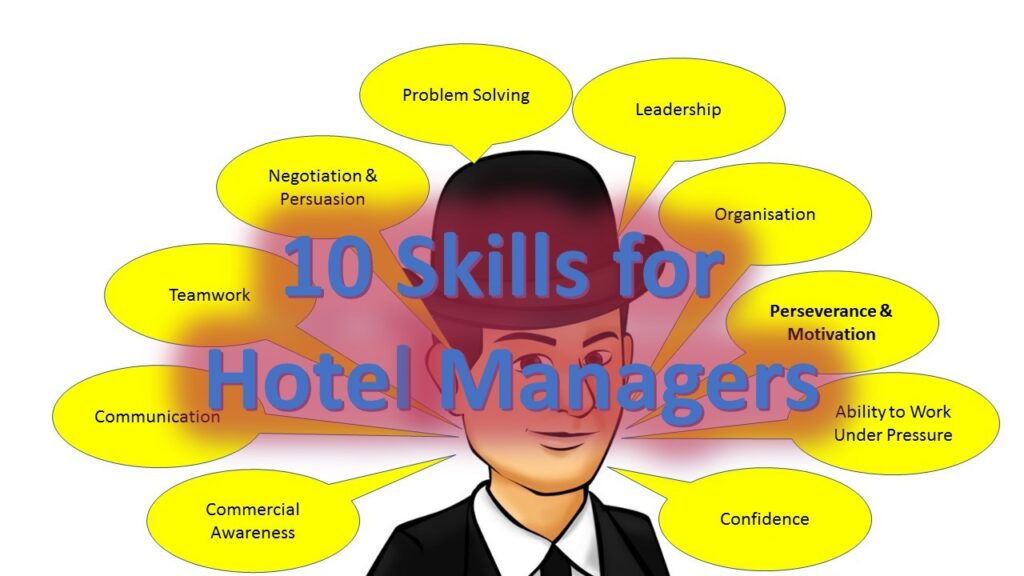
How to Become a Hotel Manager After 12th What is a Hotel Manager Course? A Hotel Manager Course is a professional hospitality program designed to prepare students for management roles in hotels, resorts, restaurants, airlines, cruise lines, and tourism companies. In fact, these courses help students develop hotel leadership, customer service, communication, and operational management skills. The hospitality industry is one of the fastest-growing sectors in India. Therefore, many students choose a Hotel Manager Course immediately after completing their 12th standard. Why Choose a Hotel Manager Course After 12th? Many students wonder whether hospitality is a good career option. Most importantly, a Hotel Manager Course offers excellent career opportunities, professional growth, and global exposure. Key Benefits First: Early Career Start Students can enter the hospitality industry immediately after completing their education. Second: Growing Industry Demand Hotels, resorts, and tourism companies continuously hire trained professionals. Next: Global Opportunities Hospitality skills are recognized worldwide. Then: Leadership Development Students learn management and decision-making skills. After That: Attractive Salary Packages Career growth often leads to higher earnings. Finally: Diverse Career Options Graduates can work in multiple hospitality sectors. Therefore, a Hotel Manager Course can be a strong foundation for a successful future. Steps to Become Hotel Manager Course After 12th Many students search for the steps to become hotel manager after 12th. The process is straightforward if you follow the right path. Step 1: Complete Your 12th Education Students from any stream can pursue a Hotel Manager Course. Eligible Streams Science Students Can apply for hotel management programs. Commerce Students Can pursue hospitality management education. Arts Students Are also eligible for most hotel management courses. Therefore, stream selection does not limit hospitality career opportunities. Step 2: Choose the Best Hotel Manager Course Selecting the right course is essential. Popular Hotel Management Courses Certificate in Hotel Management Short-term hospitality training. Diploma in Hotel Management Practical industry-focused learning. Bachelor’s Degree in Hotel Management Comprehensive hospitality education. BBA in Hospitality Management Business-focused hospitality studies. Integrated Hospitality Programs Industry-oriented management training. Above all, choose a recognized and industry-approved course. Step 3: Join a Hotel Management Institute India Selecting the right Hotel Management Institute India can significantly impact your career. Factors to Consider Accreditation Choose recognized institutions. Placement Support Strong placement records improve job opportunities. Practical Training Hands-on experience is essential. Industry Exposure Internships help students gain real-world knowledge. Faculty Expertise Experienced trainers improve learning outcomes. Consequently, students become industry-ready professionals. Step 4: Gain Practical Experience Hospitality is a practical industry. Ways to Gain Experience Internships Work with hotels and hospitality organizations. Industrial Training Learn hotel operations directly. Part-Time Hospitality Jobs Develop customer service experience. Live Projects Participate in hospitality events and activities. Meanwhile, practical exposure improves employability and confidence. Step 5: Develop Hotel Manager Course Leadership Skills Strong Hotel Leadership skills are necessary for management positions. Important Leadership Skills Team Management Leading hospitality teams effectively. Communication Skills Building positive guest relationships. Problem-Solving Skills Handling challenges whenever they arise. Decision-Making Skills Making operational and business decisions. Customer Service Excellence Ensuring guest satisfaction consistently. Indeed, leadership skills are critical for becoming a successful hotel manager. What Does a Hotel Manager Do? A hotel manager oversees hotel operations and guest services. Key Responsibilities Managing Hotel Operations Front Office Management Supervising guest check-ins and reservations. Housekeeping Coordination Maintaining cleanliness and quality standards. Food and Beverage Management Ensuring restaurant and dining service excellence. Staff Supervision Managing employee performance and training. Customer Satisfaction Improving guest experiences and resolving complaints. Therefore, hotel managers play a crucial role in hospitality success. Hotel Management Career Opportunities A Hotel Management Career offers numerous opportunities across industries. Popular Career Options Hotel Manager Course Responsibilities Managing hotel operations and profitability. Front Office Manager Responsibilities Overseeing guest services and reservations. Food and Beverage Manager Responsibilities Managing restaurant and banquet operations. Resort Manager Responsibilities Handling luxury hospitality properties. Hospitality Consultant Responsibilities Helping businesses improve operations. As a result, hospitality graduates can pursue diverse and rewarding careers. Salary After Hotel Manager Course One of the major reasons students choose hospitality is the earning potential. Average Salary in India Position Average Annual Salary Front Office Executive ₹2.5 LPA – ₹4 LPA Restaurant Supervisor ₹3 LPA – ₹5 LPA Front Office Manager ₹4 LPA – ₹8 LPA Hotel Manager ₹6 LPA – ₹15 LPA General Manager ₹10 LPA – ₹25 LPA Moreover, international hotel brands often offer higher salary packages. Skills Required for a Successful Hotel Manager A hotel manager needs a combination of technical and interpersonal skills. Essential Skills Communication Skills Guest Interaction Building positive customer relationships. Leadership Skills Team Management Leading employees effectively. Financial Skills Budget Management Controlling expenses and profitability. Problem-Solving Skills Operational Management Handling daily challenges efficiently. Customer Service Skills Guest Satisfaction Delivering memorable hospitality experiences. Therefore, skill development is essential for long-term success. Future Scope of Hotel Management Career The future of the hospitality industry remains highly promising. Growth Opportunities First: Tourism Industry Expansion Travel and tourism continue growing rapidly. Second: Luxury Hospitality Growth Premium hotels are expanding nationwide. Next: International Career Opportunities Global hotel chains recruit skilled professionals. Then: Technology Integration Modern hotels require trained managers. After That: Event and Tourism Industry Growth Hospitality professionals are needed across sectors. Finally: Rising Demand for Hotel Leadership Hotels increasingly require skilled managers. Notably, hospitality remains one of the most dynamic industries worldwide. Why Hotel Manager Course is a Top Career Choice? Choosing a Hotel Manager Course can be one of the Best and Top career decisions after 12th. Major Advantages Career Growth Continuous opportunities for promotion. Global Exposure Work with international hospitality brands. Attractive Salaries Competitive compensation packages. Diverse Opportunities Hotels, airlines, resorts, tourism, and events. Leadership Development Build strong management capabilities. Most importantly, hospitality offers both professional and personal growth. Frequently Asked Questions Can I become a hotel manager after 12th? Yes, by completing a recognized Hotel Manager Course and gaining industry experience. Which course is best to become a hotel manager? A Bachelor’s Degree in Hotel Management is one of the most popular options. How many years does


MBA Hospitality Management
The GIHM

Best Top MBA Hospitality Management Benefits

Why Study MBA Hospitality Management? What is MBA Hospitality Management? MBA Hospitality Management is a specialized postgraduate degree that combines business administration with hospitality industry expertise. In fact, this program prepares students for leadership roles in hotels, resorts, airlines, tourism companies, cruise lines, and luxury hospitality brands. As the hospitality industry continues to expand globally, professionals with an Hotel Management in Delhi NCR qualification are becoming highly valuable. Therefore, students seeking management careers often choose this advanced degree. Why Study MBA Hospitality Management? Many graduates wonder whether pursuing an MBA Hospitality Management degree is the right decision. Most importantly, this qualification helps students gain leadership skills, industry knowledge, and better career opportunities. Major Reasons to Choose MBA Hospitality Management First: Growing Hospitality Industry The hospitality sector is expanding rapidly across India and worldwide. Second: Better Career Opportunities Graduates can access senior management and leadership roles. Next: Higher Salary Potential MBA-qualified professionals generally earn higher salaries. Then: Global Career Scope Hospitality management skills are recognized internationally. After That: Diverse Career Paths Students can work across multiple hospitality sectors. Finally: Long-Term Career Stability The industry continues creating new management opportunities. Therefore, an MBA Hospitality Management degree offers excellent professional growth and job security. Benefits of MBA Hospitality Management Degree The benefits of hotel management degree go beyond classroom education. Moreover, the program develops practical business and leadership skills. Leadership Development Team Management Skills Students learn how to lead hospitality teams effectively. Decision-Making Abilities Managers make important business decisions daily. Problem-Solving Expertise Professionals learn to handle operational challenges efficiently. Indeed, leadership development is one of the strongest advantages of MBA Hospitality Management. Advanced Business Knowledge Financial Management Learning budgeting, accounting, and profitability management. Hospitality Marketing Promoting hospitality services and brands successfully. Human Resource Management Managing hospitality employees and workforce planning. Strategic Planning Creating business growth strategies for hospitality organizations. Consequently, graduates become capable hospitality leaders. Hospitality Management Career Opportunities An MBA in Hospitality Management degree opens the door to numerous career opportunities. Popular Hospitality Jobs Hotel General Manager Manage overall hotel operations, guest services, and profitability. Hospitality Operations Manager Oversee daily operations and service quality. Resort Manager Manage luxury resorts and customer experiences. Revenue Manager Develop pricing strategies and maximize revenue. Hospitality Consultant Advise hospitality businesses on operational improvements. Event Management Director Plan and manage large corporate and social events. As a result, graduates have access to a wide range of career options. MBA Career Options Beyond Hotels Many people think hospitality graduates only work in hotels. However, that is not true. Industries Hiring MBA Hospitality Graduates Luxury Hotels Premium hotel chains require skilled managers. Airlines Customer experience and hospitality management roles. Tourism Companies Managing travel services and tourism operations. Cruise Industry Overseeing international hospitality services. Event Management Companies Planning and executing large-scale events. Hospitality Consulting Firms Providing business solutions and growth strategies. Notably, hospitality skills are transferable across multiple industries. MBA Hospitality Institute India: How to Choose the Right College? Choosing the right MBA Hospitality Institute India can significantly impact career growth. Factors to Consider Accreditation Choose a recognized and approved institution. Placement Support Strong placement records improve career opportunities. Industry Exposure Internships and practical training are essential. Experienced Faculty Learn from hospitality and business professionals. Modern Infrastructure Advanced facilities improve learning experiences. Above all, select an institute that aligns with your long-term career goals. Skills Developed Through MBA Hospitality Management Students develop both technical and managerial skills. Essential Skills Leadership Skills Managing teams and business operations effectively. Communication Skills Building strong relationships with guests and stakeholders. Financial Management Skills Managing revenue, costs, and profitability. Customer Service Skills Delivering excellent hospitality experiences whenever needed. Strategic Thinking Identifying business growth opportunities. Therefore, graduates become highly employable in the hospitality sector. Salary After MBA Hospitality Management One of the biggest advantages of pursuing MBA in Hospitality Management is the earning potential. Average Salary Range in India Job Role Average Annual Salary Operations Manager ₹6 LPA – ₹12 LPA Revenue Manager ₹8 LPA – ₹15 LPA Resort Manager ₹8 LPA – ₹16 LPA Hotel General Manager ₹10 LPA – ₹25 LPA Hospitality Consultant ₹7 LPA – ₹18 LPA Moreover, professionals working with international hospitality brands may earn significantly higher salaries. Future Scope of MBA Hospitality Management The future of MBA Hospitality Management remains extremely promising. Industry Growth Drivers First: Tourism Expansion Domestic and international tourism continue growing. Second: Luxury Hospitality Demand Premium hotels and resorts are expanding rapidly. Next: Digital Transformation Hotels increasingly rely on technology and data-driven management. Then: Global Brand Expansion International hospitality companies continue investing in India. After That: Customer Experience Focus Hospitality businesses prioritize service excellence. Finally: New Employment Opportunities The industry continues creating management-level positions. Therefore, MBA in Hospitality Management graduates can expect strong career growth for many years. Why MBA Hospitality Management is a Top Career Choice? Choosing MBA Hospitality Management is one of the Best and Top decisions for students interested in business, leadership, and hospitality. Key Advantages Strong Career Growth Continuous opportunities for advancement. Attractive Salary Packages Higher earning potential compared to many hospitality roles. Global Recognition Hospitality management qualifications are valued worldwide. Diverse Career Options Hotels, tourism, airlines, cruises, consulting, and event management. Professional Development Continuous learning and leadership opportunities. Most importantly, the degree provides a pathway to senior management and executive positions. Frequently Asked Questions Is MBA Hospitality Management worth it? Yes, MBA Hospitality Management is an excellent choice for students seeking leadership roles and long-term career growth. What are the benefits of MBA hospitality management degree? Benefits include higher salaries, leadership opportunities, global careers, and strong industry demand. What jobs can I get after MBA Hospitality Management? You can work as a Hotel General Manager, Operations Manager, Revenue Manager, Resort Manager, Hospitality Consultant, or Event Manager. What is the average salary after MBA Hospitality Management? The average salary ranges from ₹6 LPA to ₹25 LPA depending on experience and position. What is the future scope of MBA Hospitality Management? The future scope is excellent due to growth in tourism, luxury hospitality, airlines, resorts,

MBA Hospitality Management pin
The GIHM

Best MBA Hospitality Management Career

Career Opportunities After MBA Hospitality Management What is MBA Hospitality Management? MBA Hospitality Management is a specialized postgraduate degree that combines business management knowledge with hospitality industry expertise. In fact, this program prepares students for leadership positions in hotels, resorts, tourism companies, airlines, cruise lines, and luxury hospitality brands. The hospitality industry is evolving rapidly. Therefore, professionals with an MBA Hospitality Management degree are becoming highly valuable for organizations seeking skilled managers and future leaders. Why Choose MBA Hospitality Management? Many graduates wonder whether an MBA Hospitality Management degree is worth pursuing. The answer is yes because the hospitality sector offers strong growth and diverse career opportunities. Key Benefits of MBA Hospitality Management First: Leadership Development Students learn how to manage teams, departments, and hospitality operations. Second: Better Salary Packages MBA graduates often receive higher salaries than entry-level hospitality professionals. Next: Global Career Opportunities Hospitality management skills are recognized worldwide. Then: Industry Expertise Students gain advanced knowledge of hotel operations, marketing, finance, and customer service. After That: Career Advancement Graduates become eligible for senior management positions. Finally: Long-Term Career Stability Hospitality remains one of the fastest-growing service industries. Most importantly, an MBA provides the skills needed for leadership roles. Career Opportunities After MBA Hospitality Management The career scope after completing MBA Hospitality Management is extensive. Consequently, graduates can choose from multiple industries and job profiles. Hotel General Manager Role and Responsibilities Managing Hotel Operations Overseeing all hotel departments and services. Revenue Growth Improving profitability and occupancy rates. Customer Experience Ensuring guest satisfaction and service excellence. Indeed, Hotel General Manager is one of the best and top career options after MBA Hospitality Management. Hospitality Operations Manager Key Responsibilities Managing Daily Operations Ensuring smooth hospitality services. Staff Supervision Leading hospitality teams efficiently. Quality Management Maintaining service standards. Therefore, operations management remains one of the most popular hospitality jobs. Resort Manager Why Choose This Career? Luxury Hospitality Exposure Managing premium resort properties. Guest Experience Management Enhancing customer satisfaction. Team Leadership Managing multiple hospitality departments. Above all, resort management offers excellent career growth opportunities. Revenue Manager Core Responsibilities Pricing Strategy Development Maximizing hotel revenue. Occupancy Planning Managing room availability effectively. Financial Analysis Improving profitability through data-driven decisions. Consequently, revenue managers are highly valued in the hospitality sector. Hospitality Consultant Career Benefits Business Advisory Services Helping hospitality companies improve performance. Strategic Planning Supporting long-term growth initiatives. Industry Expertise Working with multiple hospitality brands. Meanwhile, consultants often enjoy flexible and rewarding career paths. Event Management Director Key Responsibilities Corporate Events Managing conferences and business events. Wedding Management Planning large-scale hospitality events. Vendor Coordination Ensuring successful event execution. Therefore, event management is an exciting option for MBA graduates. Tourism and Travel Manager Growing Career Opportunity Travel Operations Managing tourism services and packages. Customer Experience Improving traveler satisfaction. Business Development Expanding tourism opportunities. Notably, tourism is one of India’s fastest-growing industries. Airline Hospitality Manager Responsibilities Customer Service Management Enhancing passenger experiences. Staff Training Managing hospitality teams. Service Quality Improvement Maintaining international standards. As a result, airlines actively recruit hospitality management professionals. Cruise Line Manager International Hospitality Career Guest Services Management Ensuring passenger satisfaction. Operations Management Supervising onboard services. Team Coordination Managing multinational hospitality teams. Therefore, cruise management offers global exposure and attractive salaries. Hospitality Jobs India: Current Market Trends The demand for Hospitality Jobs India continues to grow. In fact, tourism, business travel, and luxury hospitality are creating thousands of new opportunities every year. Industries Hiring MBA Hospitality Graduates Luxury Hotels Premium hotel chains seek qualified managers. Tourism Companies Travel businesses require hospitality professionals. Airlines Customer service and hospitality management roles. Event Management Firms Corporate and social event planning opportunities. Hospitality Consulting Companies Business improvement and operational advisory services. Cruise Industry International hospitality management careers. Consequently, MBA graduates enjoy diverse employment options. Salary After MBA Hospitality Management One of the biggest advantages of an MBA Hospitality Management degree is the earning potential. Average Salary in India Job Role Average Annual Salary Operations Manager ₹6 LPA – ₹12 LPA Revenue Manager ₹8 LPA – ₹15 LPA Resort Manager ₹8 LPA – ₹16 LPA Hotel General Manager ₹10 LPA – ₹25 LPA Hospitality Consultant ₹7 LPA – ₹18 LPA Event Manager ₹5 LPA – ₹12 LPA Moreover, international hospitality brands often offer significantly higher compensation. Skills Required for MBA Hospitality Management Careers Employers look for professionals with strong business and hospitality skills. Essential Skills MBA Hospitality Management pin Leadership Skills Managing teams and operations successfully. Communication Skills Building strong guest relationships. Customer Service Skills Delivering exceptional hospitality experiences. Problem-Solving Skills Handling operational challenges whenever necessary. Financial Management Skills Managing budgets and profitability. Strategic Thinking Planning business growth and expansion. Most importantly, continuous learning helps professionals stay competitive. Future Scope of MBA Hospitality Management The future of MBA Hospitality Management is extremely promising. Growth Drivers First: Expanding Tourism Industry Domestic and international tourism continues growing. Second: Luxury Hospitality Demand Premium hotels and resorts are expanding rapidly. Next: Technology Integration Hotels require skilled managers to handle digital transformation. Then: Global Hospitality Expansion International brands continue entering India. After That: Rising Customer Expectations Hospitality businesses need trained leaders. Finally: Increased Investment Hospitality infrastructure continues expanding nationwide. Therefore, career opportunities will continue increasing in the coming years. Why MBA Hospitality Management is a Top Career Choice? Choosing MBA Hospitality Management can provide long-term professional success. Major Advantages Better Career Growth Faster progression into leadership positions. International Opportunities Work with global hospitality brands. Attractive Salary Packages Higher earning potential than many traditional hospitality roles. Diverse Career Options Hotels, airlines, tourism, events, consulting, and cruises. Strong Industry Demand Hospitality companies continuously seek qualified managers. Above all, hospitality remains a people-focused industry with endless opportunities. Frequently Asked Questions What are the jobs after MBA hospitality management degree? Graduates can work as Hotel General Managers, Operations Managers, Revenue Managers, Resort Managers, Hospitality Consultants, and Event Managers. Is MBA Hospitality Management a good career option? Yes, it is one of the best and top postgraduate programs for hospitality leadership and management careers. What is the average salary after

Hotel Management Skills
The GIHM

Required Hotel Management Skills for Career Growth

Skills Required for Successful Hotel Management Career What Are Hotel Management Skills? Hotel Management Skills are the abilities required to manage hotel operations, guest services, staff, and hospitality businesses effectively. In fact, employers in the hospitality industry look for professionals who possess both technical knowledge and interpersonal abilities. Therefore, developing strong Hotel Management Skills is essential for long-term career success. The hospitality industry is highly customer-focused. Consequently, professionals must continuously improve their skills to meet guest expectations and industry standards. Why Are Hotel Management Skills Important? A successful hospitality professional requires more than academic qualifications. Most importantly, practical skills help individuals manage daily operations, solve problems, and deliver excellent guest experiences. Benefits of Strong Hotel Management Skills First: Better Career Opportunities Employers prefer candidates with strong hospitality skills. Second: Improved Guest Satisfaction Skilled professionals create positive customer experiences. Next: Higher Salary Potential Professionals with advanced skills often receive better compensation. Then: Faster Career Growth Employees with leadership abilities are promoted more quickly. After That: Better Team Management Strong managers can effectively lead hospitality teams. Finally: Long-Term Career Success Skills help professionals remain competitive in the industry. Therefore, mastering Hotel Management Skills can significantly improve career prospects. Communication in Hotel Management Skills Communication is one of the most important Hotel Management Skills. Why Communication Matters Guest Interaction Professionals communicate with guests daily. Team Coordination Effective communication improves teamwork. Conflict Resolution Clear communication helps solve guest concerns whenever they arise. Professional Relationships Strong communication builds trust with clients and colleagues. Above all, communication is the foundation of excellent customer service. Leadership for Hotel Management Skills Leadership Skills are essential for anyone aspiring to become a hotel manager. Key Leadership Abilities Team Motivation Managers must inspire employees to perform their best. Decision-Making Leaders make important operational decisions daily. Problem Solving Managers handle challenges quickly and effectively. Responsibility Management Leaders oversee departments and business operations. Indeed, leadership skills are critical for hospitality career growth. Customer Service For Hotel Management Skills Providing exceptional customer service is a core hospitality requirement. Essential Customer Service Skills Active Listening Understanding guest needs and expectations. Empathy Responding to guest concerns professionally. Patience Handling difficult situations calmly. Service Excellence Delivering memorable guest experiences. Therefore, customer service remains one of the most valuable Hotel Management Skills. Time Management For Hotel Management Skills Hotel operations involve multiple responsibilities. Consequently, professionals must manage time effectively. Benefits of Time Management Better Productivity Tasks are completed efficiently. Reduced Stress Organized schedules improve work performance. Improved Service Delivery Guests receive timely assistance. Enhanced Team Performance Efficient managers improve overall operations. Meanwhile, strong time management helps maintain service quality. Problem-Solving Skills in Hospitality Unexpected situations are common in the hospitality industry. Why Problem-Solving Matters Guest Complaints Resolving customer issues quickly. Operational Challenges Managing staff shortages or service disruptions. Emergency Situations Handling unexpected events professionally. Business Decisions Finding practical solutions to improve operations. Therefore, problem-solving abilities are among the most valuable Hospitality Skills. Financial Management Skills Hotel managers must understand financial operations. Important Financial Skills Budget Planning Managing expenses effectively. Revenue Management Maximizing profitability and occupancy rates. Cost Control Reducing unnecessary operational costs. Financial Reporting Understanding business performance metrics. Notably, financial skills are essential for management-level positions. Teamwork and Collaboration Skills Hospitality businesses rely on teamwork. Teamwork Benefits Improved Service Quality Departments work together efficiently. Better Employee Relationships Collaboration creates a positive work environment. Increased Productivity Teams achieve goals more effectively. Operational Success Strong teamwork improves guest satisfaction. Consequently, teamwork is a key requirement for hospitality professionals. Technical Skills for Hotel Management Modern hotels use technology to improve operations. Essential Technical Skills Hotel Management Software Understanding reservation and property management systems. Online Booking Platforms Managing digital reservations efficiently. Customer Relationship Management (CRM) Improving guest communication and loyalty. Data Analysis Using reports to improve business performance. Therefore, technology skills are becoming increasingly important in hospitality. Skills Needed to Become a Hotel Manager Many students ask about the skills needed to become a hotel manager. The answer includes a combination of leadership, communication, and operational abilities. Core Skills Required Communication Skills Essential for guest and employee interaction. Leadership Skills Required to manage teams effectively. Customer Service Skills Critical for guest satisfaction. Financial Management Skills Important for profitability and business growth. Problem-Solving Skills Necessary for handling daily challenges. Time Management Skills Help improve productivity and efficiency. Most importantly, successful hotel managers continuously improve their skills. Hotel Management Training Institute: Why Training Matters A reputable Hotel Management Training Institute helps students develop industry-ready skills. Benefits of Professional Training Practical Learning Students gain real-world experience. Industry Exposure Training provides insight into hospitality operations. Skill Development Students improve communication, leadership, and management abilities. Placement Support Many institutes offer career assistance. Therefore, professional hospitality training is an important step toward career success. How to Improve Hotel Management Skills? Continuous learning is essential in hospitality. Effective Improvement Strategies First: Attend Professional Training Programs Enroll in recognized hospitality courses. Second: Gain Practical Experience Participate in internships and hotel training. Next: Develop Leadership Abilities Take responsibility and manage projects. Then: Improve Communication Skills Practice speaking and customer interaction. After That: Learn New Technologies Stay updated with hospitality software and systems. Finally: Follow Industry Trends Keep learning about changes in the hospitality sector. Consequently, professionals can remain competitive and successful. Career Opportunities with Strong Hotel Management Skills Professionals with excellent Hotel Management Skills can pursue various career paths. Popular Job Roles Hotel Manager Manage overall hotel operations. Front Office Manager Supervise guest services and reservations. Food and Beverage Manager Oversee restaurant and dining operations. Resort Manager Manage resort facilities and guest experiences. Hospitality Consultant Advise hospitality businesses on growth strategies. As a result, skilled professionals enjoy strong career prospects. Frequently Asked Questions What are Hotel Management Skills? Hotel Management Skills are abilities related to leadership, communication, customer service, operations, and hospitality management. What are the skills needed to become a hotel manager? Leadership, communication, financial management, customer service, teamwork, and problem-solving skills are essential. Why are leadership skills important in hospitality? Leadership skills help managers guide teams, improve

Hotel Management Career
The GIHM

Best Hotel Management Career Guide & Scope

Why Choose Hotel Management as a Career in 2026? What is a Hotel Management Career? A Hotel Management Career involves managing hospitality services, guest experiences, hotel operations, tourism businesses, and customer satisfaction. In fact, the hospitality industry is one of the fastest-growing sectors worldwide. Therefore, students and professionals are increasingly choosing a Hotel Management Career for long-term success. The industry includes hotels, resorts, restaurants, airlines, cruise lines, event management companies, and tourism organizations. Consequently, hospitality professionals have access to a wide range of career opportunities. Why is Hotel Management Career Growing in 2026? The hospitality sector continues to expand rapidly due to increasing tourism, business travel, and luxury hospitality demand. Most importantly, technological advancements and changing customer expectations have created new opportunities in the industry. Key Growth Factors First: Rising Tourism Industry Domestic and international tourism is increasing every year. Second: Expansion of Luxury Hotels Premium hospitality brands are opening new properties across India. Next: Growth of Business Travel Corporate travel continues to support hotel industry growth. Then: Increase in Hospitality Services Hotels are expanding services to enhance guest experiences. After That: International Hospitality Investments Global brands are investing heavily in the Indian market. Finally: Digital Transformation Technology is creating modern hospitality management opportunities. Therefore, a Hotel Management Career offers excellent growth potential in 2026 and beyond. Is Hotel Management a Good Career Option? Many students ask, “Is hotel management a good career option?” The answer is yes. A Hotel Management Career provides stable employment, career advancement, and international opportunities. Reasons to Choose Hotel Management Diverse Career Paths Students can work in hotels, airlines, tourism, resorts, and event management. High Demand for Professionals Hospitality companies require trained managers and customer service experts. Global Opportunities Hospitality skills are valued worldwide. Career Progression Employees can move into leadership and executive roles. Exciting Work Environment Every day brings new challenges and interactions. Above all, hospitality professionals help create memorable guest experiences. Hotel Management Career India: Current Opportunities The Hotel Management Career India market is expanding rapidly. Meanwhile, government initiatives and tourism growth continue to create employment opportunities. Industries Hiring Hospitality Professionals Hotels and Resorts Managing guest services and hotel operations. Airlines Providing hospitality and customer experience services. Cruise Industry Managing international hospitality operations. Tourism Companies Supporting travel and tourism services. Event Management Companies Planning and organizing large events. Hospitality Consulting Firms Helping businesses improve operations and customer satisfaction. Consequently, graduates have multiple career options available. Benefits of Choosing Hotel Management Career A Hotel Management Career offers several professional and personal advantages. Major Benefits Leadership Development Employees learn how to manage teams and operations. International Exposure Professionals can work with global hospitality brands. Attractive Salary Packages Compensation increases with experience and specialization. Networking Opportunities Hospitality professionals meet people from different industries and cultures. Continuous Learning The industry constantly evolves with new trends and technologies. Indeed, hospitality careers offer exciting growth opportunities. Skills Required for a Successful Hotel Management Career Success in a Hotel Management Career requires a combination of technical and interpersonal skills. Essential Skills Communication Skills Building strong relationships with guests and colleagues. Leadership Skills Managing teams effectively. Customer Service Skills Delivering exceptional guest experiences whenever required. Problem-Solving Skills Handling operational challenges quickly. Time Management Skills Managing multiple responsibilities efficiently. Therefore, developing these skills can improve career prospects significantly. Educational Path for Hotel Management Career Students can pursue different educational routes to enter the hospitality industry. Popular Courses Certificate in Hotel Management Ideal for quick entry into the industry. Diploma in Hospitality Management Provides practical hospitality training. Bachelor’s Degree in Hotel Management Offers comprehensive hospitality education. MBA in Hospitality Management Focuses on leadership and management roles. Master’s Degree in Hotel Management Provides advanced hospitality expertise. Most importantly, students should choose a course aligned with their career goals. Salary Scope in Hotel Management Career Salary potential depends on qualifications, experience, and job role. Average Salary Range Position Average Annual Salary Front Office Executive ₹2.5 LPA – ₹4 LPA Guest Relations Executive ₹3 LPA – ₹5 LPA Restaurant Manager ₹4 LPA – ₹8 LPA Operations Manager ₹6 LPA – ₹12 LPA Hotel General Manager ₹10 LPA – ₹25 LPA Moreover, professionals working in international hospitality organizations may earn significantly more. Future Scope of Hotel Management Career The future of a Hotel Management Career looks highly promising. Emerging Trends Luxury Hospitality Growth Demand for premium hospitality experiences is increasing. Sustainable Tourism Eco-friendly hospitality practices are becoming popular. Smart Hotel Technology Hotels are adopting advanced digital solutions. Personalized Guest Experiences Customer-focused services are creating new opportunities. International Expansion Global hotel brands continue expanding into new markets. Notably, these trends are expected to generate thousands of hospitality jobs in the coming years. How to Build a Successful Hotel Management Career? Students should follow a structured approach to achieve success. Career Success Tips First: Choose the Right Course Select a recognized hospitality program. Second: Gain Practical Experience Participate in internships and industry training. Next: Develop Soft Skills Improve communication and leadership abilities. Then: Build Professional Networks Connect with industry professionals. After That: Stay Updated Follow hospitality trends and technologies. Finally: Pursue Continuous Learning Upgrade skills through certifications and advanced courses. Consequently, students can achieve long-term success in the hospitality industry. Why 2026 is the Best Time to Start a Hotel Management Career? The hospitality industry is entering a period of significant growth. Therefore, 2026 presents excellent opportunities for aspiring professionals. Key Reasons Growing Demand Hospitality companies are actively hiring skilled professionals. Expanding Tourism Market Travel and tourism are recovering and growing rapidly. Better Career Opportunities New hospitality businesses are creating jobs. International Exposure Global brands are offering worldwide career paths. Above all, hospitality remains one of the most dynamic industries globally. Frequently Asked Questions Is hotel management a good career option in 2026? Yes, it is one of the best and top career choices due to strong industry growth and global opportunities. What is the scope of a hotel management career in India? The scope is excellent across hotels, tourism, airlines, resorts, event management, and hospitality consulting. What

Master Management Hotel
The GIHM

Best Master Management Hotel Course Delhi NCR

Master Management Hotel Course Delhi: Complete Student Guide What is a Master Management Hotel Course? A Master Management Hotel course is an advanced postgraduate program designed for students who want to build leadership careers in the hospitality industry. In fact, this program combines hotel operations, business management, customer service, and hospitality leadership into one comprehensive curriculum. The hospitality industry is growing rapidly across India. Therefore, students pursuing a Master Management Hotel course can benefit from excellent career opportunities in hotels, resorts, tourism companies, airlines, and luxury hospitality brands. Why Choose a Master Management Hotel Course? A Master Management Hotel program helps students develop professional management skills required by modern hospitality organizations. Most importantly, it prepares graduates for senior-level management positions. Key Benefits Leadership Development Students learn how to manage teams, departments, and hospitality businesses effectively. Hospitality Industry Expertise The course provides detailed knowledge of hotel operations and guest services. Better Career Growth Graduates can access management-level job opportunities. Global Career Opportunities Hospitality skills are recognized worldwide. Above all, the course builds a strong foundation for long-term success in the hospitality sector. How to Pursue Master Management Hotel Course? Many students ask, “How to pursue master management hotel course?” The process is straightforward when planned correctly. Step-by-Step Process First: Complete Graduation Students must obtain a bachelor’s degree from a recognized university. Second: Research Hospitality Institutes Compare course curriculum, placements, faculty, and industry exposure. Next: Apply for Admission Submit applications through college websites or admission portals. Then: Attend Entrance Exam or Interview Some institutes conduct entrance tests and personal interviews. After That: Complete Admission Formalities Submit documents and pay the required fees. Finally: Begin Your Hospitality Education Start learning advanced hospitality management and leadership concepts. Therefore, proper planning can make the admission process smooth and successful. Eligibility for Master Management Hotel Course Admission requirements are generally simple. Basic Eligibility Criteria Graduation Degree Candidates must have completed a recognized bachelor’s degree. Minimum Academic Score Most institutes require a minimum percentage in graduation. Entrance Examination Certain colleges may require entrance test scores. Otherwise, admission criteria may vary depending on the institution. Course Duration and Structure A Master Management Hotel course is generally completed in two years. Program Structure First Year Focuses on hospitality fundamentals and business management principles. Second Year Covers advanced hotel administration, leadership, and strategic management. Meanwhile, students participate in internships and practical training sessions. Subjects Covered in Hotel Management Program A Hotel Management Program includes a variety of hospitality and management subjects. Core Subjects Hotel Operations Management Understanding hotel departments and service quality. Hospitality Marketing Promoting hospitality brands and guest experiences. Financial Management Learning budgeting and revenue management techniques. Human Resource Management Managing hospitality employees and organizational growth. Strategic Hospitality Leadership Developing business strategies for hospitality organizations. Tourism Management Understanding tourism operations and market trends. Consequently, students gain strong managerial and operational skills. Skills Developed Through Hospitality Studies Hospitality Studies focus on developing practical and leadership skills. Essential Skills Communication Skills Building strong guest and client relationships. Leadership Skills Managing hospitality teams successfully. Customer Service Skills Providing excellent guest experiences whenever needed. Problem-Solving Skills Handling hospitality challenges effectively. Decision-Making Skills Making informed management decisions. Indeed, these skills are highly valued by employers in the hospitality industry. Hotel Management Institute India: Choosing the Right College Selecting the right Hotel Management Institute India is an important decision. Important Factors Accreditation Choose recognized and approved institutions. Placement Support Strong placement assistance improves career opportunities. Faculty Expertise Experienced faculty members provide practical insights. Industry Exposure Internships and live projects improve employability. Infrastructure Modern training facilities enhance learning experiences. Most importantly, choose an institute that supports your long-term career goals. Career Scope After Master Management Hotel Course The career scope after completing a Master Management Hotel course is highly promising. Popular Career Opportunities Hotel General Manager Manage overall hotel operations and profitability. Hospitality Operations Manager Supervise daily hotel activities and service standards. Resort Manager Manage guest experiences and resort operations. Revenue Manager Develop pricing strategies and maximize hotel revenue. Hospitality Consultant Advise hospitality businesses on operational improvements. Tourism Manager Manage travel and tourism-related services. As a result, graduates enjoy diverse employment opportunities. Salary After Master Management Hotel Course The hospitality industry offers attractive salary packages to qualified professionals. Average Salary Range Job Position Average Annual Salary Operations Manager ₹6 LPA – ₹10 LPA Revenue Manager ₹8 LPA – ₹15 LPA Resort Manager ₹8 LPA – ₹16 LPA Hotel General Manager ₹10 LPA – ₹20 LPA Hospitality Consultant ₹7 LPA – ₹18 LPA Moreover, professionals working with international hotel brands may earn significantly higher salaries. Future Scope of Master Management Hotel The future scope of a Master Management Hotel qualification is excellent due to increasing demand for hospitality professionals. Growth Opportunities Luxury Hotel Industry Premium hotels require skilled hospitality managers. Tourism Sector Travel and tourism businesses continue expanding. Airlines and Aviation Hospitality professionals are needed in customer service roles. Event Management Industry Large-scale events require experienced hospitality managers. International Hospitality Careers Global hotel chains offer attractive career opportunities. Notably, hospitality remains one of the fastest-growing service industries worldwide. Why Delhi is a Good Place for Hospitality Education? Delhi is one of India’s leading hospitality and tourism hubs. Advantages of Studying in Delhi Access to Top Hotels Students gain exposure to leading hospitality brands. Better Internship Opportunities Delhi offers numerous practical training options. Industry Networking Students can connect with hospitality professionals and recruiters. Strong Job Market The city provides excellent employment opportunities. Therefore, pursuing a Master Management Hotel course in Delhi can provide valuable industry exposure. Frequently Asked Questions What is a Master Management Hotel course? It is a postgraduate hospitality management program focused on hotel operations, leadership, and business management. How to pursue master management hotel course? Complete graduation, apply to a recognized hospitality institute, clear admission requirements, and enroll in the program. What is the duration of the course? Most Master Management Hotel programs are completed within two years. Is Master Management Hotel a good career choice? Yes, it is one of the best and

Hotel Management Masters Degree
The GIHM

Best Hotel Management Masters Degree in Delhi NCR

Hotel Management Masters Degree: Benefits & Future Opportunities in Delhi NCR What is a Hotel Management Masters Degree? A Hotel Management Masters Degree is an advanced postgraduate program that prepares students for leadership and management roles in the hospitality industry. In fact, this degree combines hospitality expertise with business management skills. Therefore, students gain the knowledge required to manage hotels, resorts, tourism businesses, airlines, and luxury hospitality brands. The hospitality industry is expanding rapidly across India. Consequently, professionals with a Hotel Management Masters Degree are increasingly valued by employers. Why Choose a Hotel Management Masters Degree? Choosing a Hotel Management Masters Degree can help students build successful careers in hospitality management. Most importantly, this qualification prepares graduates for senior-level positions. Major Benefits Leadership Skills Development Students learn how to manage teams, departments, and hospitality operations effectively. Better Career Growth A master’s degree often leads to faster promotions and higher responsibilities. Higher Salary Potential Postgraduate qualifications can improve earning opportunities significantly. Global Employment Opportunities Hospitality management skills are recognized worldwide. Above all, this degree helps students become future hospitality leaders. Is Master’s Degree in Hotel Management Worth It? Many students ask, “Is master’s degree in hotel management worth it?” The answer is yes for individuals seeking long-term growth in the hospitality sector. Reasons Why It Is Worth It First: Advanced Industry Knowledge Students gain deeper expertise in hospitality operations and management. Second: Competitive Advantage Employers often prefer candidates with postgraduate qualifications. Next: Better Networking Opportunities Students connect with hospitality professionals and industry leaders. Then: Improved Career Prospects Graduates become eligible for management and executive positions. Therefore, a Hotel Management Masters Degree can be a valuable investment for future success. Eligibility for Hotel Management Masters Degree Admission requirements are generally straightforward. Basic Eligibility Criteria Bachelor’s Degree Candidates must hold a recognized undergraduate degree. Minimum Academic Requirements Most colleges require a minimum percentage in graduation. Entrance Exams Some institutes conduct entrance tests or interviews. Otherwise, admission criteria may differ depending on the institution. Course Duration and Structure of Hotel Management Masters Degree The duration of a Hotel Management Masters Degree is usually two years. Program Structure First Year Focuses on business management and hospitality fundamentals. Second Year Covers advanced hospitality leadership and strategic management. Meanwhile, students participate in internships and industry projects to gain practical experience. Subjects Covered in Hospitality Master’s Program A Hospitality Master’s Program includes both management and hospitality-focused subjects. Core Subjects Hospitality Operations Management Managing hotel services and guest experiences. Hospitality Marketing Promoting hospitality brands and services effectively. Financial Management Learning budgeting, accounting, and revenue planning. Human Resource Management Managing hospitality staff and organizational development. Strategic Hospitality Leadership Creating growth plans and improving business performance. Tourism and Hospitality Research Analyzing industry trends and customer behavior. Consequently, students gain comprehensive hospitality management expertise. Skills Developed Through Hotel Management Degree A Hotel Management Degree helps students develop professional skills required by employers. Essential Skills Leadership Skills Managing hospitality teams successfully. Communication Skills Building strong guest and stakeholder relationships. Customer Service Excellence Delivering exceptional guest experiences whenever needed. Problem-Solving Skills Handling operational challenges efficiently. Decision-Making Skills Making strategic business decisions confidently. Indeed, these skills play a critical role in hospitality career growth. Hotel Management College India: How to Choose the Best One? Finding the right Hotel Management College India is essential for career success. Important Selection Factors Accreditation and Recognition Choose institutions approved by recognized authorities. Placement Support Strong placement assistance improves job opportunities. Experienced Faculty Industry experts provide valuable practical insights. Industry Exposure Internships and training programs enhance learning. Modern Infrastructure Quality facilities improve educational experiences. Most importantly, choose a college that aligns with your career goals. Career Scope After Hotel Management Masters Degree The career scope after completing a Hotel Management Masters Degree is highly promising. Popular Career Opportunities Hotel General Manager Manage overall hotel operations and business performance. Hospitality Operations Manager Oversee daily hospitality activities. Resort Manager Manage luxury resorts and guest services. Revenue Manager Develop pricing strategies and maximize profitability. Hospitality Consultant Provide expert advice to hospitality organizations. Tourism Manager Manage travel and tourism operations. As a result, graduates can pursue diverse career paths. Salary After Hotel Management Masters Degree A master’s qualification often leads to attractive salary packages. Average Salary Range Job Position Average Annual Salary Operations Manager ₹6 LPA – ₹10 LPA Revenue Manager ₹8 LPA – ₹15 LPA Resort Manager ₹8 LPA – ₹16 LPA Hotel General Manager ₹10 LPA – ₹20 LPA Hospitality Consultant ₹7 LPA – ₹18 LPA Moreover, international hospitality brands may offer even higher compensation. Future Opportunities in Delhi NCR Delhi NCR has become one of India’s major hospitality hubs. Therefore, students pursuing a Hotel Management Masters Degree can benefit from strong employment opportunities. Growing Opportunities Luxury Hotels The region hosts many premium hotel brands. Tourism and Travel Companies Hospitality professionals are needed for tourism operations. Event Management Industry Corporate and social events create management opportunities. International Hospitality Brands Global companies frequently recruit skilled graduates. Airline Hospitality Services Customer service and hospitality management roles continue to grow. Notably, Delhi NCR provides excellent exposure to the hospitality sector. Future Scope of Hotel Management Masters Degree The future scope remains strong due to continuous growth in tourism and hospitality. Industry Growth Factors Increasing Tourism Demand Travel and tourism continue expanding. Growth of Luxury Hospitality Premium hotels and resorts are increasing nationwide. Digital Transformation Technology-driven hospitality businesses require skilled managers. International Expansion Global hospitality brands continue entering the Indian market. Therefore, graduates can expect long-term career stability and growth. Frequently Asked Questions What is a Hotel Management Masters Degree? It is a postgraduate program focused on hospitality management, leadership, and business administration. Is master’s degree in hotel management worth it? Yes, it is one of the best and top qualifications for students seeking leadership careers in hospitality. What is the duration of the course? Most Hotel Management Masters Degree programs are completed in two years. What is the salary after completing the degree? Graduates can earn between ₹6 LPA and ₹20 LPA depending on

masters-in-hotel-management
The GIHM

Best Master in Hotel Management Career Scope Guide

Master in Hotel Management: Eligibility, Scope & Career Options What is a Master in Hotel Management? A Master in Hotel Management is an advanced postgraduate program designed for students who want to build leadership careers in the hospitality industry. In fact, this degree helps students gain deeper knowledge of hotel operations, hospitality management, tourism, customer service, and business administration. The hospitality industry continues to grow across hotels, resorts, airlines, cruise lines, tourism companies, and luxury hospitality brands. Therefore, pursuing a Master in Hotel Management can create excellent career opportunities in India and abroad. Why Choose a Master in Hotel Management? Choosing a Master in Hotel Management can help graduates move into senior-level hospitality positions. Most importantly, the program develops leadership, strategic planning, and operational management skills. Key Benefits of a Hotel Management Master’s Degree Leadership Development Students learn how to manage hospitality teams, departments, and large-scale operations. Industry Expertise The course provides advanced hospitality knowledge and practical management skills. Global Career Opportunities Hospitality professionals can work with international hotel chains and tourism companies. Better Salary Potential A postgraduate qualification often leads to higher-paying positions. Above all, the degree prepares students for long-term success in hospitality leadership. Best Master Degree in Hotel Management After Graduation Many students search for the best master degree in hotel management after graduation to enhance their qualifications and career prospects. Why Pursue a Master’s Degree? First: Career Advancement Graduates become eligible for management and executive-level positions. Second: Specialized Knowledge Students gain expertise in advanced hospitality operations. Next: Strong Professional Network Master’s programs help students connect with hospitality industry leaders. Then: Improved Employability Employers often prefer candidates with advanced hospitality education. Consequently, a master’s degree provides a competitive advantage in the job market. Eligibility for Master in Hotel Management The admission requirements for a Master in Hotel Management are generally straightforward. Basic Eligibility Criteria Bachelor’s Degree Candidates must hold a recognized undergraduate degree. Minimum Academic Performance Most institutes require a minimum percentage in graduation. Entrance Examination Some colleges conduct entrance tests or interviews. Otherwise, admission criteria may vary depending on the institute. Preferred Educational Background Hotel Management Graduates Students with hospitality backgrounds often receive preference. Tourism and Travel Graduates Tourism-related qualifications are also accepted. Business and Management Graduates Many institutes accept graduates from management disciplines. Course Duration and Structure The duration of a Master in Hotel Management is typically two years. Program Structure First Year Focuses on hospitality management fundamentals and business concepts. Second Year Covers advanced hospitality operations and leadership strategies. Meanwhile, students participate in internships, research projects, and industry training. Subjects Covered in Master in Hotel Management A Hotel Management Master’s Degree combines hospitality expertise with management education. Core Subjects Hospitality Operations Management Managing hotel departments and service quality. Strategic Hospitality Management Planning growth and business expansion. Hospitality Marketing Promoting hospitality brands and services. Financial Management Managing budgets, revenue, and profitability. Human Resource Management Recruiting and managing hospitality professionals. Tourism and Hospitality Research Understanding market trends and customer behavior. Therefore, students develop comprehensive management capabilities. Skills Developed Through Advanced Hospitality Course An Advanced Hospitality Course helps students build valuable professional skills. Essential Skills Leadership Skills Managing teams effectively and confidently. Communication Skills Building positive guest and stakeholder relationships. Customer Experience Management Improving service quality and guest satisfaction. Problem-Solving Skills Handling operational challenges whenever they arise. Strategic Decision-Making Making informed business decisions. Indeed, these skills are highly valued by hospitality employers. Master Hotel Management Institute India: How to Choose? Choosing the right Master Hotel Management Institute India is an important decision. Factors to Consider Accreditation and Recognition Choose a recognized and approved institution. Faculty Expertise Experienced faculty members improve learning outcomes. Placement Assistance Strong placement support helps students secure jobs. Industry Exposure Practical training and internships are essential. Infrastructure Modern facilities enhance hospitality education. Most importantly, select an institute that aligns with your career objectives. Career Scope After Master in Hotel Management The career scope after completing a Master in Hotel Management is excellent. Popular Career Options Hotel General Manager Oversee hotel operations and profitability. Hospitality Operations Manager Manage daily hospitality services and staff. Resort Manager Handle guest experiences and resort administration. Revenue Manager Optimize pricing and revenue generation. Hospitality Consultant Advise hospitality businesses on operational improvements. Tourism Manager Manage tourism operations and travel services. As a result, graduates enjoy diverse employment opportunities. Salary After Master in Hotel Management The salary potential for hospitality professionals with a master’s degree is attractive. Average Salary Range Job Position Average Annual Salary Operations Manager ₹6 LPA – ₹10 LPA Revenue Manager ₹8 LPA – ₹15 LPA Resort Manager ₹8 LPA – ₹16 LPA Hotel General Manager ₹10 LPA – ₹20 LPA Hospitality Consultant ₹7 LPA – ₹18 LPA Moreover, international hospitality organizations often offer even higher compensation packages. Top Industries Hiring Hospitality Postgraduates A Master in Hotel Management provides opportunities across multiple sectors. Employment Sectors Luxury Hotels Premium hospitality brands require skilled managers. Tourism Industry Travel companies hire hospitality professionals. Airlines Customer experience and hospitality management roles. Cruise Industry Managing guest services and onboard operations. Event Management Companies Planning and managing corporate and social events. Hospitality Consulting Firms Providing strategic advice to hospitality businesses. Therefore, graduates can explore a wide range of career paths. Future Scope of Master in Hotel Management The future scope of a Master in Hotel Management remains highly promising. Growth Drivers Expanding Tourism Sector Tourism growth creates new hospitality opportunities. Rising Luxury Hospitality Demand Premium hotels continue expanding globally. Technology Integration Modern hospitality businesses require skilled managers. International Career Opportunities Global hotel chains seek qualified hospitality leaders. Notably, hospitality remains one of the fastest-growing service industries worldwide. Frequently Asked Questions What is a Master in Hotel Management? It is a postgraduate degree focused on advanced hospitality operations, leadership, and business management. Who can apply for a Master in Hotel Management? Candidates with a recognized bachelor’s degree can apply. What is the duration of the course? Most programs are completed within two years. Is a Master in Hotel Management a good career choice? Yes, it

MBA in Hospitality Management
The GIHM

Best MBA in Hospitality Management Admission & Fee

MBA in Hospitality Management Admission Process & Fees Guide What is MBA in Hospitality Management? An MBA in Hospitality Management is a professional postgraduate program that combines business administration with hospitality industry expertise. It prepares students for leadership roles in hotels, resorts, tourism companies, airlines, and luxury hospitality brands. In fact, the hospitality industry is growing rapidly across India and globally. Therefore, an MBA in Hospitality Management can help students build a rewarding and high-growth career. Why Choose an MBA in Hospitality Management? Choosing an MBA in Hospitality Management can open doors to management and leadership positions. Most importantly, the program helps students develop business, communication, and operational skills required in the hospitality sector. Key Benefits Leadership Development Students learn how to manage teams, departments, and hospitality businesses efficiently. Better Career Growth An MBA qualification often leads to higher-level job opportunities. Global Career Opportunities Hospitality professionals can work in different countries and international hotel chains. Industry-Relevant Skills Students gain practical knowledge of hospitality operations and business management. Above all, this degree provides a strong foundation for long-term professional success. MBA Hospitality Management Eligibility and Admission Process Many students search for MBA hospitality management eligibility and admission process before applying. Therefore, understanding the admission requirements is important. Eligibility Criteria Bachelor’s Degree Candidates must have completed graduation from a recognized university. Minimum Percentage Most colleges require at least 50% marks in graduation. Entrance Exam Scores Some institutes accept CAT, MAT, CMAT, XAT, or institution-specific entrance examinations. Otherwise, eligibility requirements may vary depending on the college. Admission Process First Step: Research Colleges Students should compare curriculum, placements, fees, and faculty. Second Step: Fill Application Form Apply through the college website or admission portal. Next: Submit Documents Upload academic records and required certificates. Then: Entrance Examination Appear for the required entrance test if applicable. After That: Personal Interview Many institutes conduct interviews and group discussions. Finally: Admission Confirmation Selected students receive admission offers and fee payment instructions. Notably, some colleges also offer direct admission based on academic performance. MBA in Hospitality Management Course Duration The duration of an MBA in Hospitality Management is generally two years. Program Structure First Year Focuses on management fundamentals and business principles. Second Year Covers advanced hospitality management and leadership subjects. Meanwhile, students also participate in internships and industry projects. MBA in Hospitality Management Fees Structure The fee structure depends on the reputation and facilities of the institute. Average MBA Fees in India Institute Type Approximate Fees Private Colleges ₹2 Lakh – ₹10 Lakh Government Institutes ₹50,000 – ₹3 Lakh Premium Hospitality Institutes ₹5 Lakh – ₹15 Lakh However, scholarship opportunities may reduce the overall cost. Factors Affecting Fees College Reputation Top institutes generally charge higher fees. Infrastructure Modern facilities and training labs influence course costs. Placement Support Institutes with strong placements often have higher fees. Industry Exposure International internships and practical training may increase expenses. Subjects Covered in MBA Hotel Management An MBA hotel management program includes both business and hospitality-related subjects. Core Subjects Hospitality Operations Management Managing hotel and hospitality services. Hospitality Marketing Promoting hospitality businesses and brands. Financial Management Understanding budgets and financial planning. Human Resource Management Managing hospitality workforce and recruitment. Strategic Hospitality Management Developing business growth and expansion strategies. Consequently, students gain comprehensive hospitality leadership skills. Skills Developed Through Hospitality Education A strong hospitality education program focuses on practical and management skills. Essential Skills Leadership Skills Managing teams effectively. Communication Skills Building strong guest relationships. Customer Service Excellence Delivering outstanding guest experiences whenever required. Decision-Making Skills Making business decisions confidently. Therefore, graduates become capable hospitality professionals. MBA Hospitality College Near Me: How to Choose the Right Institute? Students often search for an MBA hospitality college near me to find suitable educational options. Important Selection Factors Accreditation Choose recognized and approved institutions. Faculty Expertise Experienced faculty provide industry-focused education. Placement Records Review previous placement statistics carefully. Internship Opportunities Practical experience improves employability. Most importantly, choose an institute that aligns with your career goals. Career Scope After MBA in Hospitality Management The career scope of an MBA in Hospitality Management is excellent. Popular Job Roles Hotel General Manager Manage overall hotel operations and performance. Hospitality Operations Manager Supervise daily operational activities. Resort Manager Handle guest services and resort management. Revenue Manager Maximize hotel revenue and profitability. Hospitality Consultant Advise hospitality businesses on growth and efficiency. As a result, graduates have access to diverse career opportunities. Salary After MBA in Hospitality Management The hospitality industry offers attractive salary packages to MBA graduates. Average Salary Range Position Average Annual Salary Operations Manager ₹6 LPA – ₹10 LPA Revenue Manager ₹8 LPA – ₹15 LPA Resort Manager ₹8 LPA – ₹16 LPA Hotel General Manager ₹10 LPA – ₹20 LPA Hospitality Consultant ₹7 LPA – ₹18 LPA Indeed, salary growth improves significantly with experience and expertise. Best Industries Hiring MBA Hospitality Graduates An MBA in Hospitality Management creates opportunities across multiple industries. Employment Sectors Luxury Hotels Premium hospitality brands require skilled managers. Tourism Companies Travel and tourism businesses hire hospitality professionals. Airlines Customer service and hospitality management positions. Cruise Industry Managing guest experiences on international cruise ships. Event Management Planning and managing large-scale events. Therefore, career possibilities extend beyond traditional hotel jobs. Frequently Asked Questions What is the eligibility for MBA in Hospitality Management? Candidates generally need a bachelor’s degree with at least 50% marks from a recognized university. What is the admission process for MBA in Hospitality Management? The process includes application submission, entrance exams, interviews, and final admission confirmation. What are the fees for MBA in Hospitality Management? Fees typically range from ₹50,000 to ₹15 lakh depending on the institute. Is MBA in Hospitality Management a good career option? Yes, it is one of the best and top postgraduate programs for hospitality leadership and management careers. What is the career scope after MBA in Hospitality Management? Graduates can work as Hotel Managers, Operations Managers, Revenue Managers, Resort Managers, and Hospitality Consultants. Conclusion An MBA in Hospitality Management is an excellent choice for graduates seeking leadership roles

MBA in Hospitality Management
The GIHM

Best MBA in Hospitality Management Career Guide

MBA in Hospitality Management: Complete Career Guide What is MBA in Hospitality Management? An MBA in Hospitality Management is a specialized postgraduate degree designed for students who want leadership and management roles in the hospitality industry. Moreover, this program combines business management principles with hospitality operations. Therefore, graduates gain both managerial and industry-specific expertise. The hospitality sector is growing rapidly across hotels, resorts, tourism companies, airlines, cruise lines, and luxury hospitality brands. Consequently, professionals with an MBA in Hospitality Management are in high demand. Why Choose an MBA in Hospitality Management? Choosing an MBA in Hospitality Management can help students move into higher-paying management positions. Furthermore, the program focuses on leadership, strategic planning, customer experience, and business growth. Key Benefits of a Hospitality MBA Leadership Development Students learn how to manage teams, departments, and hospitality businesses effectively. Higher Salary Potential MBA graduates often earn more than entry-level hospitality professionals. Global Career Opportunities Hospitality management skills are valued worldwide. Therefore, graduates can work internationally. Business and Hospitality Knowledge Students gain expertise in finance, marketing, operations, and hotel management. Best MBA Hospitality Management Course After Graduation Many graduates look for the best MBA hospitality management course after graduation to advance their careers. Moreover, this program is suitable for students from hospitality, tourism, business, and related backgrounds. Why Pursue an MBA After Graduation? Career Advancement Graduates can qualify for senior-level positions. Industry Expertise Students gain in-depth hospitality management knowledge. Professional Network MBA programs help students connect with industry leaders. Better Job Security Management roles often provide greater stability and career growth. Therefore, an MBA can significantly improve long-term career prospects. Eligibility Criteria for MBA in Hospitality Management The admission requirements for an MBA in Hospitality Management are straightforward. Basic Eligibility Graduation Degree Candidates must have completed a bachelor’s degree from a recognized university. Minimum Marks Most institutes require at least 50% aggregate marks. Entrance Exams Some colleges accept CAT, MAT, CMAT, XAT, or institute-specific entrance scores. Otherwise, eligibility criteria may vary depending on the institute. MBA in Hospitality Management Course Duration The duration of an MBA in Hospitality Management is generally two years. Program Structure First Year Focus on business management fundamentals. Second Year Focus on hospitality leadership and specialized management subjects. Furthermore, many institutes include internships and industry projects. Subjects Covered in Hospitality MBA A Hospitality MBA provides a balanced mix of business and hospitality education. Core Subjects Hospitality Operations Management Managing hotel and hospitality operations effectively. Hospitality Marketing Promoting hospitality services and brands. Financial Management Understanding budgeting, accounting, and financial planning. Human Resource Management Managing hospitality teams and workforce development. Strategic Management Planning business growth and competitive strategies. Consequently, students become capable hospitality leaders. Skills Developed Through MBA in Hospitality Management An MBA in Hospitality Management develops both managerial and operational skills. Professional Skills Leadership Skills Managing teams and business operations successfully. Communication Skills Building strong relationships with customers and stakeholders. Problem-Solving Skills Handling operational challenges whenever they arise. Decision-Making Skills Making strategic business decisions effectively. Therefore, graduates become valuable assets to hospitality organizations. MBA Hospitality Management Institute India Selecting the right MBA hospitality management institute India is important for career success. Factors to Consider Accreditation and Recognition Choose institutes approved by relevant education authorities. Placement Support Strong placement assistance improves employment opportunities. Industry Exposure Internships and live projects provide practical experience. Experienced Faculty Industry experts help students understand real-world challenges. Moreover, reputed institutes often collaborate with top hospitality brands. Career Opportunities After MBA in Hospitality Management An MBA in Hospitality Management opens doors to various leadership positions. Popular Career Options Hotel General Manager Manage overall hotel operations and performance. Hospitality Operations Manager Oversee daily hospitality services and departments. Resort Manager Handle resort operations and guest satisfaction. Revenue Manager Optimize pricing and revenue strategies. Hospitality Consultant Advise businesses on operational improvements and growth. As a result, graduates enjoy diverse career opportunities. Salary Scope After Hospitality MBA The salary potential after an MBA in Hospitality Management is highly attractive. Average Salary Range Job Position Average Annual Salary Operations Manager ₹6 LPA – ₹10 LPA Hotel General Manager ₹10 LPA – ₹20 LPA Revenue Manager ₹8 LPA – ₹15 LPA Hospitality Consultant ₹7 LPA – ₹18 LPA Resort Manager ₹8 LPA – ₹16 LPA Moreover, professionals working with international hospitality brands may earn significantly higher salaries. How MBA in Hospitality Management Supports Hotel Leadership The hospitality industry requires strong leaders who can manage operations and deliver excellent customer experiences. Leadership Advantages Strategic Thinking Planning long-term business growth. Team Management Leading large hospitality teams effectively. Customer Experience Management Improving guest satisfaction and loyalty. Business Development Identifying growth opportunities and increasing profitability. Consequently, MBA graduates are well-prepared for executive-level roles. Top Industries Hiring Hospitality MBA Graduates An MBA in Hospitality Management is not limited to hotels. Industries Offering Opportunities Luxury Hotels Premium hospitality brands seek skilled managers. Tourism Companies Travel businesses require management professionals. Airlines Airline hospitality and customer service management roles. Cruise Lines Managing guest experiences on international cruise operations. Event Management Companies Planning and managing large-scale events. Therefore, graduates have multiple career paths available. Frequently Asked Questions What is MBA in Hospitality Management? It is a postgraduate degree that combines business management education with hospitality industry specialization. Who should pursue a Hospitality MBA? Graduates interested in hospitality leadership, hotel management, tourism, and customer service careers should consider this program. Which is the best MBA hospitality management course after graduation? The best course is one that offers strong industry exposure, experienced faculty, internships, and placement support. What is the average salary after MBA in Hospitality Management? Salaries generally range from ₹6 LPA to ₹20 LPA depending on role, experience, and employer. Is MBA in Hospitality Management a good career choice? Yes, it is one of the best and top management programs for students seeking leadership roles in the growing hospitality industry. Conclusion An MBA in Hospitality Management is an excellent option for graduates who want to build successful careers in hospitality leadership. Moreover, the program provides advanced business knowledge, industry expertise, and management

Scroll to Top