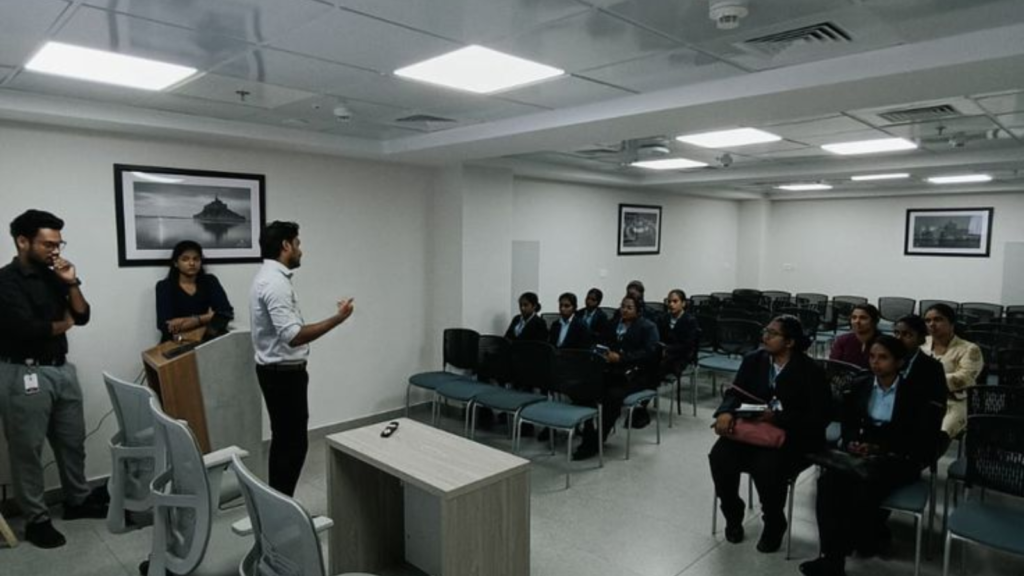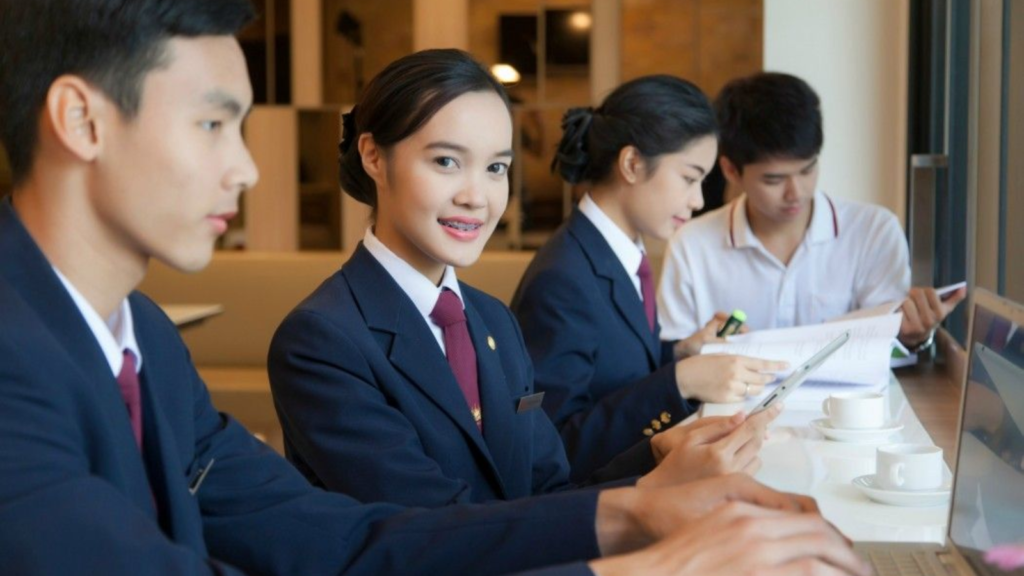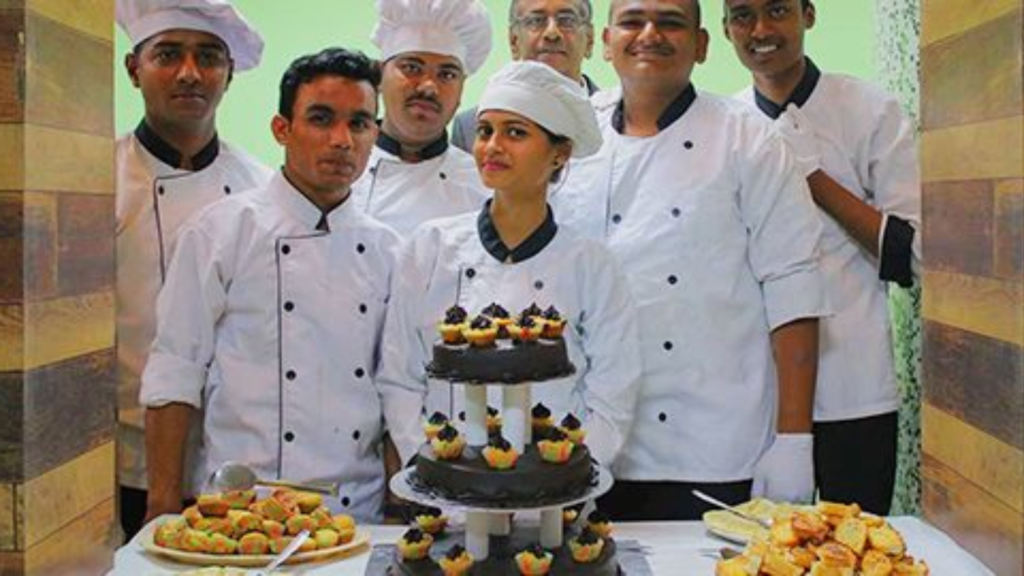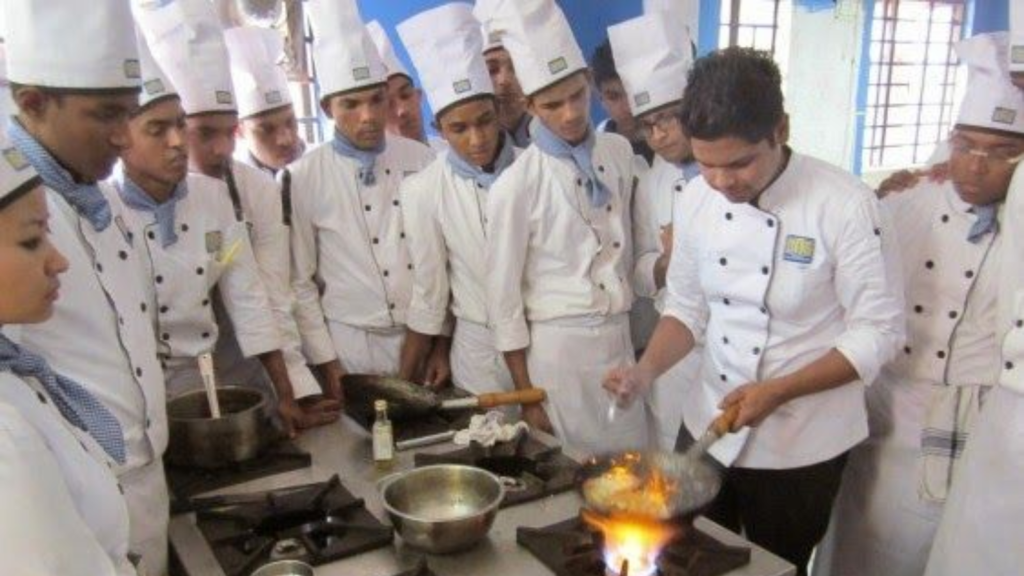
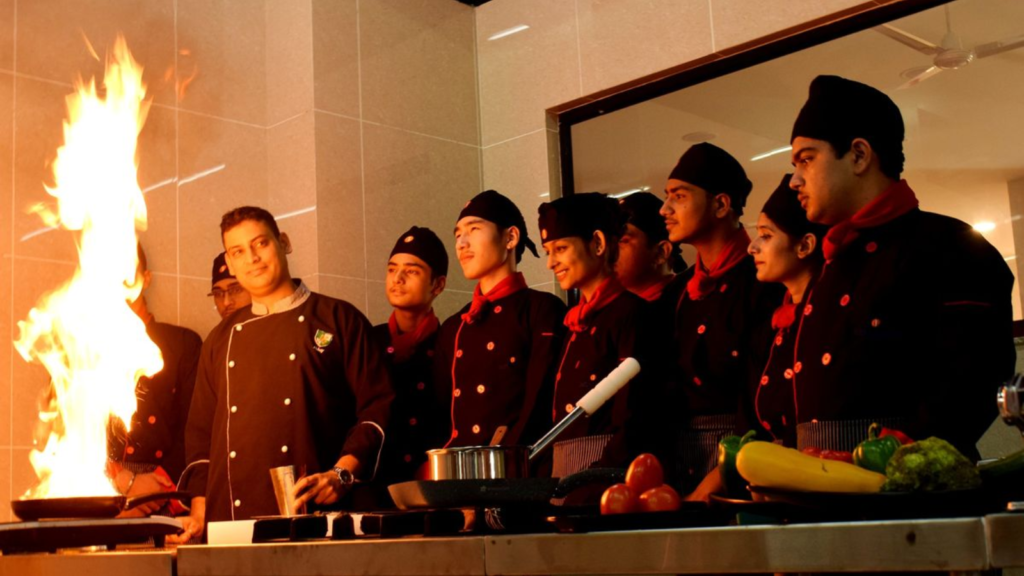
Hotel Management Students and Industry Exposure
Hospitality industry exposure is one of the biggest advantages a hotel management student can have while preparing for a successful career. Classroom learning creates a strong academic base, but real growth begins when students experience how hotels, restaurants, resorts, airlines, and hospitality businesses actually operate. At The GIHM, students receive practical learning opportunities that bridge the gap between theory and professional work, making them industry-ready from day one. The hospitality sector is dynamic, customer-focused, and constantly evolving. Employers seek graduates who understand operations, communicate confidently, solve problems quickly, and deliver excellent guest experiences. These qualities are developed through practical exposure rather than textbooks alone. When students participate in internships, industrial visits, workshops, and live projects, they become confident professionals capable of handling real-world challenges. Whether your dream is to manage a luxury hotel, work on a cruise ship, become a chef, or build an international hospitality career, gaining industry experience during your education lays the foundation for long-term success. Why Hospitality Industry Exposure Matters for Every Student Every hospitality student dreams of securing an excellent placement after graduation. However, recruiters today expect much more than academic knowledge. They want graduates who understand workplace culture, guest expectations, teamwork, and operational standards. Industry exposure allows students to experience these expectations before they enter full-time employment. They observe experienced professionals, understand departmental coordination, and learn how every role contributes to guest satisfaction. Instead of imagining hotel operations, students witness them firsthand. This practical understanding builds confidence and prepares them for interviews, internships, and future leadership roles. At The GIHM, learning goes beyond classrooms. Students receive opportunities to interact with industry experts and understand how hospitality businesses function in real environments. Hospitality Industry Exposure Through Practical Training Practical training is one of the strongest pillars of hotel management education. During industrial training, students become part of professional teams where they learn responsibilities, discipline, and customer service standards. Working alongside experienced professionals teaches valuable lessons that cannot be fully explained in books. Students understand the importance of punctuality, teamwork, communication, and maintaining service quality even during busy working hours. Training also develops technical skills in departments such as: Front Office Food Production Food and Beverage Service Housekeeping Sales and Marketing Guest Relations Event Management Every department contributes differently to a hotel’s success, allowing students to discover where their interests and strengths truly lie. Hospitality Industry Exposure Builds Professional Confidence Many students begin their journey with limited practical experience. Speaking with guests, handling complaints, working under pressure, or coordinating with different departments may initially feel challenging. Regular exposure to real hospitality environments gradually builds confidence. Students learn how to: Communicate professionally Handle guest requests politely Solve operational problems Work efficiently in teams Adapt to changing situations Maintain professionalism during peak hours Confidence developed through practical learning often becomes the deciding factor during campus placements and interviews. Employers appreciate graduates who already understand workplace expectations and require minimal training after recruitment. Hospitality Industry Exposure Improves Communication Skills Communication is the heart of hospitality. Every interaction shapes a guest’s experience, whether it happens at the reception desk, inside a restaurant, during room service, or while managing events. Students who receive regular industry interaction naturally improve their communication abilities. They learn to: Welcome guests professionally Listen carefully to customer needs Handle difficult situations calmly Coordinate with colleagues Present themselves confidently Communicate with international guests These interpersonal skills remain valuable throughout a hospitality career and also create opportunities in airlines, tourism, luxury retail, event management, and customer relationship management. Hospitality Industry Exposure Creates Better Career Opportunities The hospitality industry offers career options across numerous sectors. Students who graduate with practical experience usually enjoy better employment prospects because recruiters recognize their workplace readiness. Career opportunities include: Luxury Hotels Resorts International Hotel Chains Airlines Cruise Lines Restaurants Event Companies Corporate Hospitality Travel Companies Airport Hospitality Healthcare Hospitality Hospitality Consulting Many multinational hospitality brands prefer candidates who already possess practical knowledge of guest service and hotel operations. Students with internship experience also perform better during placement interviews because they can confidently discuss real situations they have handled. Hospitality Industry Exposure Helps Students Understand Global Standards Hospitality has become a truly global profession. Guests travel from different countries, bringing diverse expectations and cultural backgrounds. Modern hospitality education therefore focuses on international service standards, cultural sensitivity, and professional etiquette. Students learn: International hospitality practices Luxury guest service standards Cross-cultural communication Global food safety guidelines Professional grooming Quality assurance procedures This understanding prepares graduates for careers not only in India but also in countries where hospitality professionals are in high demand. Global exposure also encourages students to develop flexibility and adapt to different workplace cultures. Learning Beyond the Classroom Successful hospitality education combines theory with experience. Students benefit from activities such as: Industrial visits Guest lectures Culinary demonstrations Food festivals Hospitality seminars Hotel observations Live event participation Personality development sessions Soft skills training Mock interviews These activities help students connect classroom concepts with real hospitality operations. Instead of memorizing procedures, students understand why each process exists and how it improves guest satisfaction. Learning becomes practical, engaging, and career-focused. Skills Students Develop During Their Journey Hotel management education develops both technical and personal abilities. Students gradually build: Leadership skills Time management Problem-solving ability Customer service excellence Team coordination Professional ethics Decision-making skills Crisis management Business communication Organizational ability These skills remain useful across multiple industries, making hospitality graduates highly versatile professionals. The GIHM Focuses on Industry-Ready Learning At The GIHM, education is designed to prepare students for successful hospitality careers through a balanced combination of academic knowledge and practical learning. The institute encourages students to develop confidence, professionalism, discipline, and service excellence throughout their educational journey. Experienced faculty members guide students while helping them understand industry expectations. Regular interaction with hospitality professionals gives learners valuable insights into current trends, emerging technologies, and changing customer preferences. Practical exposure remains an essential part of student development because employers value graduates who are prepared to contribute from their very first day at work. The GIHM believes that every student