
Top Hotel Management Institute in Delhi: Complete Guide
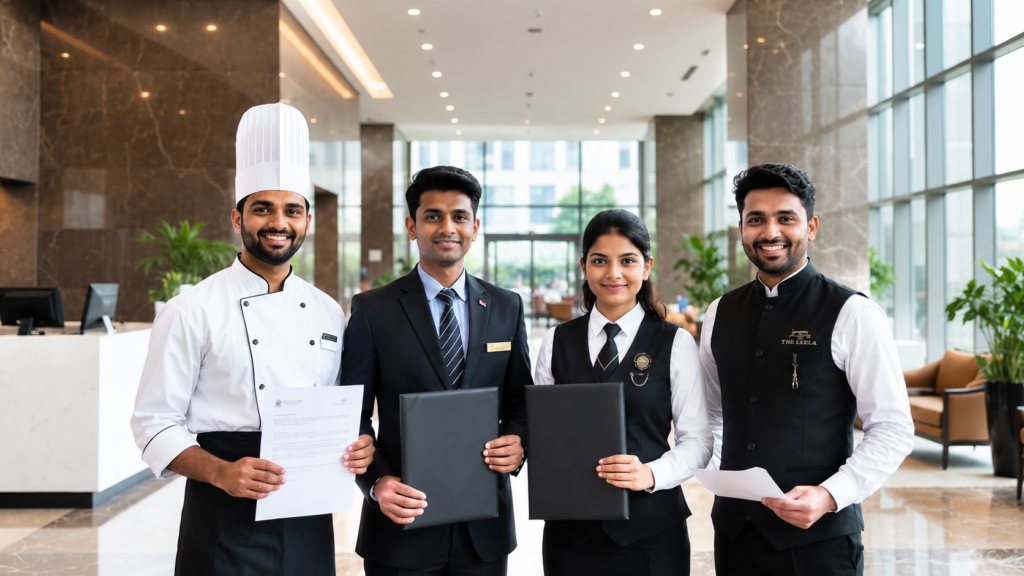
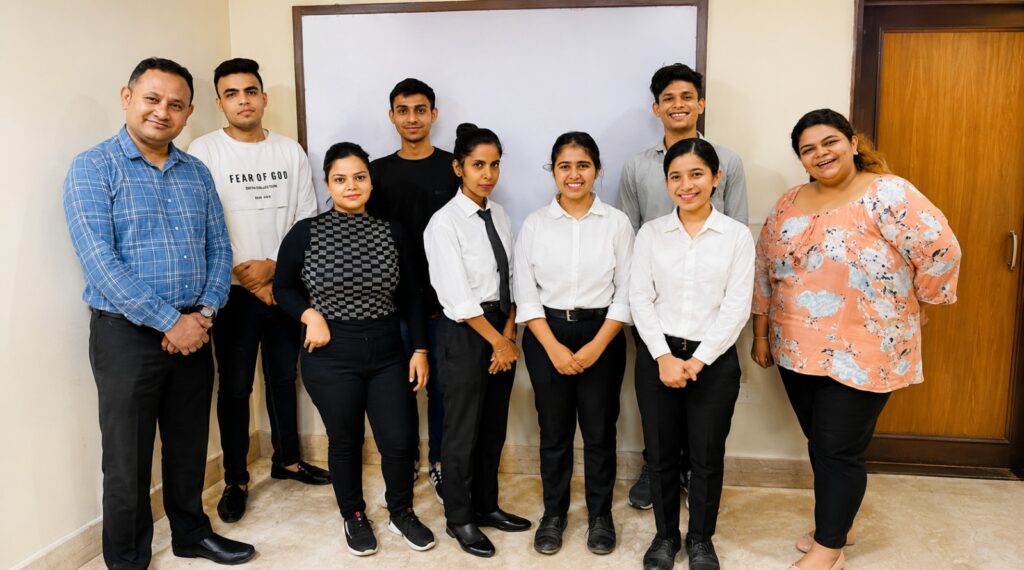
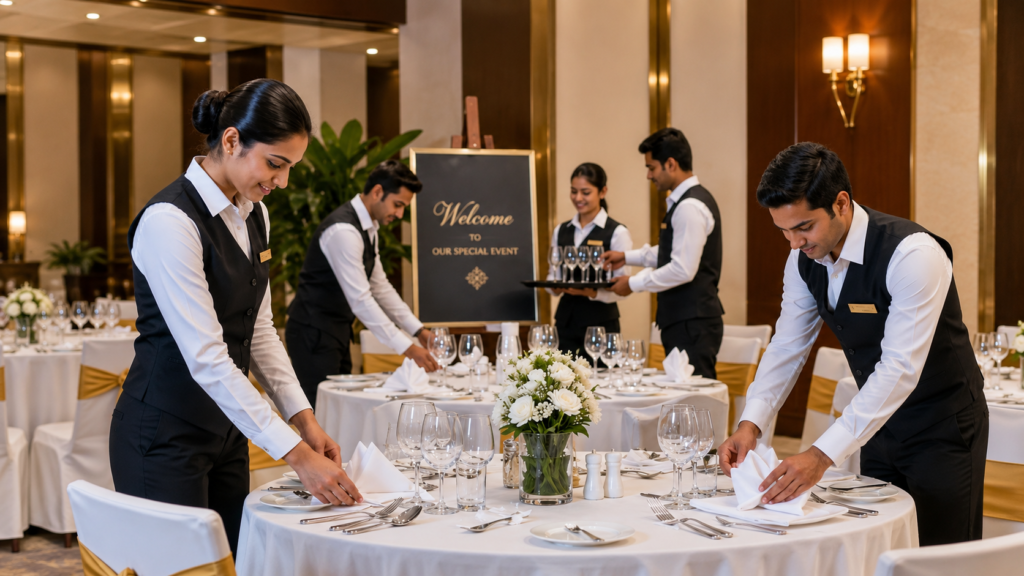
The hospitality industry is one of the fastest-growing sectors in the world, offering exciting career opportunities in luxury hotels, resorts, airlines, cruise lines, restaurants, and event management. Choosing the top hotel management institute in Delhi is the first step toward building a successful career in this dynamic industry. Delhi is home to some of India’s leading hospitality institutes and renowned hotel brands, making it an ideal destination for students who want quality education, practical exposure, and excellent placement opportunities. Institutions like The Global Institute of Hotel Management (GIHM) offer degree, diploma, and certificate programs designed to prepare students for successful hospitality careers through a blend of classroom learning and industry training. Why Choose a Hotel Management Institute in Delhi? Delhi offers students direct exposure to the hospitality industry through luxury hotels, international hotel chains, fine dining restaurants, airports, and tourism businesses. Benefits include: Industry-oriented education Practical laboratory training 5-star hotel internships Experienced faculty Personality development Communication skills enhancement Placement assistance Global career opportunities Features of a Top Hotel Management Institute A reputed hotel management institute focuses on both theoretical knowledge and practical learning. Industry-Focused Curriculum Students learn every core department of hotel operations, including: Front Office Food Production Food & Beverage Service Housekeeping Hospitality Communication Customer Relationship Management Practical Learning Hospitality is a skill-based profession. Students gain practical exposure through: Live kitchen training Mock front office operations Restaurant service practice Housekeeping laboratories Industrial visits Internship programs GIHM’s programs combine classroom learning with practical sessions and structured training in 5-star hotels to help students become industry-ready. Courses Offered Most leading institutes provide multiple learning options, including: Bachelor’s Degree Ideal for students after Class 12 who want a complete hospitality education. Diploma Course Designed for students seeking faster entry into the hospitality industry. Certificate Course Short-term professional programs focusing on practical hospitality skills. GIHM offers Bachelor’s, Diploma, Certificate, and Master’s programs in hotel management, along with specialized hospitality training. Skills You Will Develop Hotel management education helps students build both technical and professional skills. These include: Guest Relations Communication Skills Leadership Teamwork Problem Solving Food & Beverage Operations Hotel Operations Customer Service Time Management Professional Grooming Career Opportunities After Hotel Management Graduates can build rewarding careers in: Luxury Hotels Resorts Airlines Cruise Lines Event Management Restaurants Catering Companies Hospitality Consulting Tourism Industry Popular job roles include: Front Office Executive Guest Relations Executive Restaurant Manager Housekeeping Executive Food & Beverage Associate Chef Banquet Executive Hospitality Manager Why GIHM is a Preferred Choice When selecting a hotel management institute, students should consider academic quality, practical training, industry exposure, and placement support. GIHM stands out by offering: UGC-approved university affiliation ISO-certified institution Experienced hospitality faculty Modern practical laboratories Industry-focused curriculum Personality development sessions 5-star hotel industrial training Placement support with leading hospitality brands How to Choose the Right Institute Before taking admission, consider: Industry recognition Practical learning facilities Internship opportunities Placement support Faculty experience Course curriculum Infrastructure Student reviews A good institute should prepare students not only academically but also professionally for the hospitality industry. Conclusion Choosing the top hotel management institute in Delhi can shape your future in one of the world’s most rewarding industries. The right institute provides practical training, industry exposure, professional development, and placement opportunities that help students succeed in hospitality careers. If you are looking for industry-focused education with hands-on learning and career support, The Global Institute of Hotel Management (GIHM) offers comprehensive hotel management programs designed to prepare students for opportunities in India’s and the world’s leading hospitality brands.